
In another case in Tehran, a source told BBC Persian that several families broke into a mortuary to retrieve bodies out of fear they would be taken away by the authorities.
“Several families, fearing that the authorities might keep the bodies or bury them without their knowledge, broke open the morgue door and pulled the bodies out of ambulances,” the source told the BBC.
The families then guarded the bodies for several hours on the ground in the hospital courtyard to prevent them from being taken away until they could find private ambulances to transport them, the source said.
An internet and communications blackout has made it difficult to get a full picture of what is happening on the ground. International human-rights groups have no direct access to the country and, along with other international news organisations, the BBC is not allowed by the Iranian government to report on the ground.
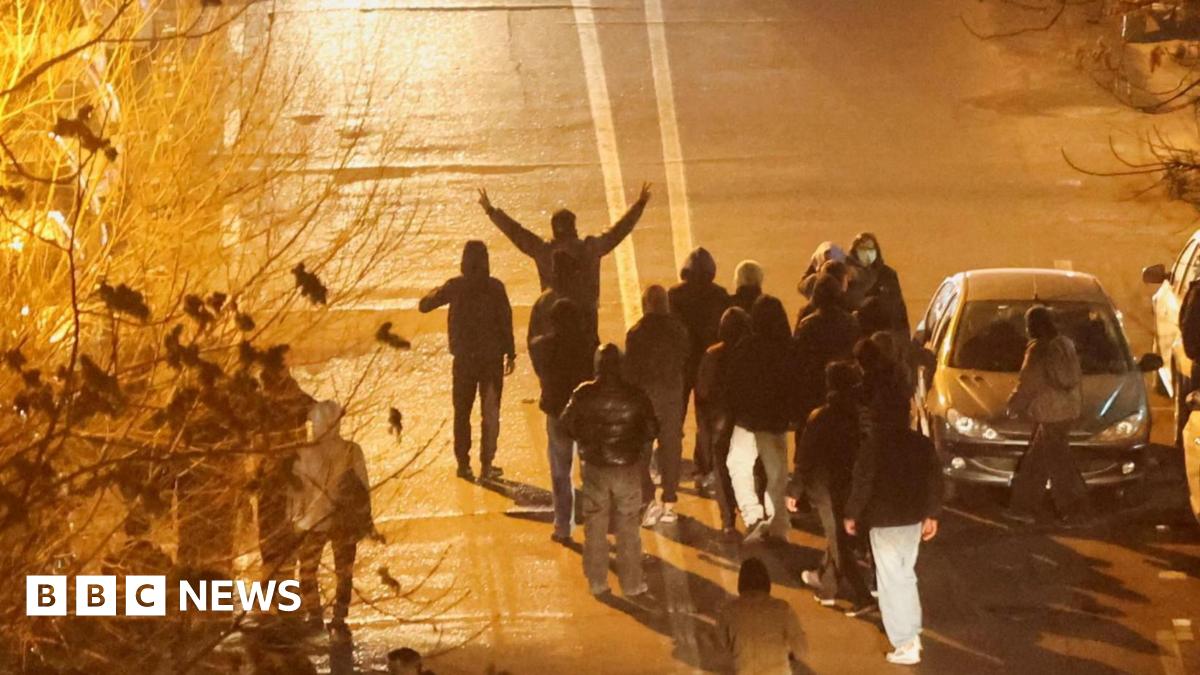
Demonstrations began in the capital, Tehran, on 29 December, following a sharp fall in the value of the Iranian currency against the dollar. As the protests reached dozens of other towns and cities, they turned against Iran’s clerical rulers and security forces launched a violent crackdown.
The protests escalated significantly last Thursday and were met with deadly force by authorities.
According to the US-based Human Rights Activists News Agency (HRANA), at least 2,435 protesters have been killed since the unrest began, as well as 13 children and 153 people affiliated with the security forces or government. It reports that another 18,470 protesters have been arrested.
Meanwhile, arrests have continued across the country. Security forces and Revolutionary Guard intelligence units have detained activists, lawyers, and ordinary citizens.