
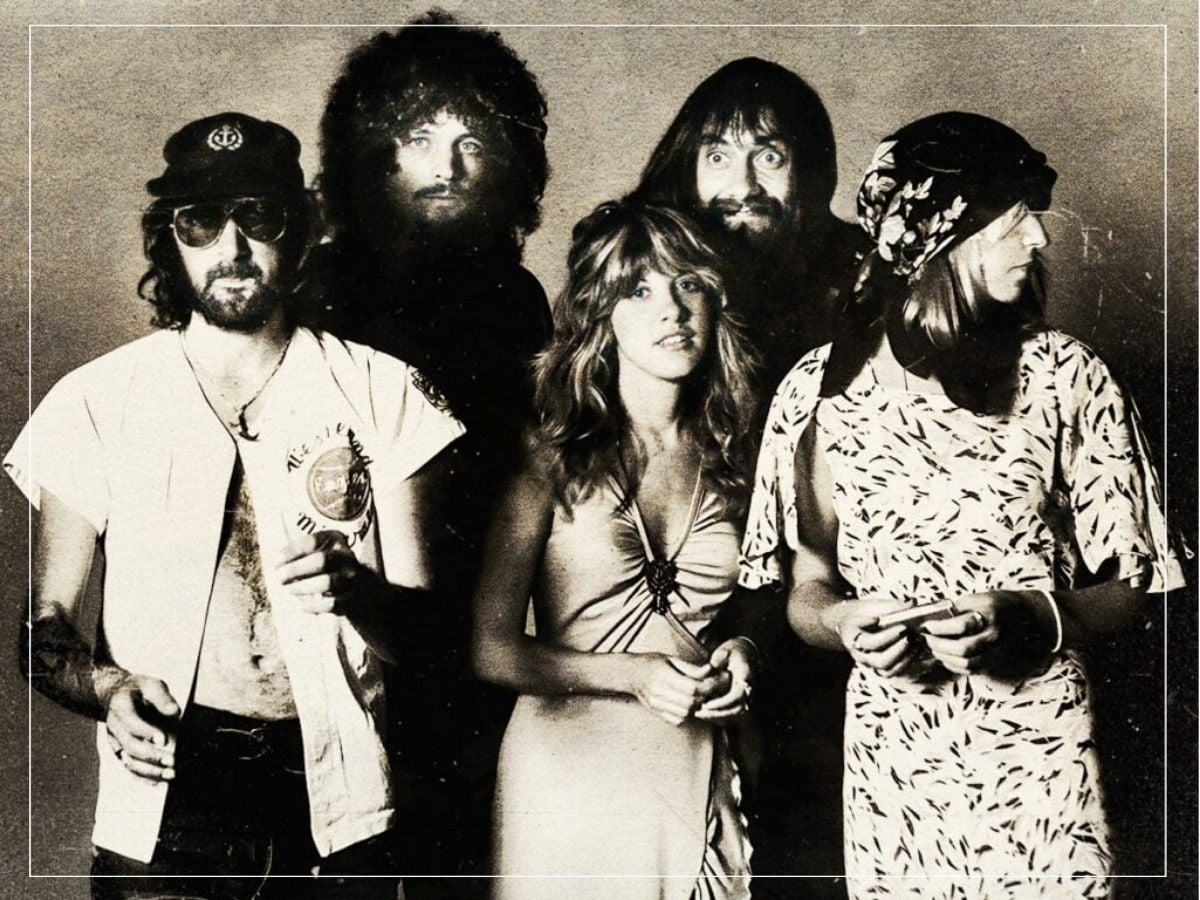
(Credits: Far Out / Alamy)
Thu 15 January 2026 20:00, UK
It sounds almost absurd to say, but Christine McVie was undoubtedly the most underrated member of Fleetwood Mac, and this absurdity is not because it is a claim wildly off the mark, but because her talent was so remarkable that to simply reduce her to underrated feels somewhat disrespectful.
While Mick Fleetwood and John McVie represented constants within the band, Christine is the closest remaining member in that regard, accepting her then husband’s invitation to join the band on a permanent basis in 1970, after dipping her toe into the group setting as a session musician during the Peter Green days.
It meant that while the two founding members made up the rhythm section, McVie represented the melody of the band from its blues-laden beginning, all the way to dream-pop domination in the late 1970s and beyond. She was the quiet songbird, anchoring the disposition of the group through turbulent times, be it her own or that of the band.
Take 1975, for example, and the introduction of Stevie Nicks and Lindsey Buckingham, with the latter’s insistence that Nicks join the band with him, put the group in a unique position whereby, suddenly, there would be three songwriting voices. Untested as a creative unit, this naturally put McVie’s position in question, to which she responded triumphantly, delivering some of the standout tracks from their 1975 self-titled album.
That continued on in 1977 with their magnum opus, Rumours, where amidst the whirlwind of soap-opera drama, McVie managed to deliver her truth succinctly with ‘Songbird’ and ‘You Make Loving Fun’, but having ascended the top of the musical mountain with Fleetwood Mac that year, she watched, along with founding members Mick Fleetwood and John McVie, as Buckingham took the reins for the descent.
Plunging the band into the heart of his experimental ideas in 1979’s Tusk, the creative make-up of the band began to shift, and suddenly, their direction was lost. Personal trauma and artistic misplacement bled into the 1980s, where, now under the fierce stewardship of Buckingham, the band strayed off course.
Following the release of Tango In The Night, Buckingham left the band, and Christine McVie stepped up, with Mick Fleetwood recalling during a promotional run for the follow-up record, 1990s Behind The Mask, “Christine really took the bull by the horns this time”.
He continued, “And with Lindsey gone, the older members of the band enjoyed getting back to how we used to make albums. It was very much a team effort. No offence to Lindsey, but he was becoming obsessive in the studio, and we were beginning to take a backseat.”
For all the right and wrong reasons, Buckingham represented the new school of Fleetwood Mac, but Christine McVie represented all of it; she was the beating heart of the band, there from near enough the beginning right until the very end, writing songs that contributed to their ever-changing direction and consistently proving she was the most important cog.
Related Topics