
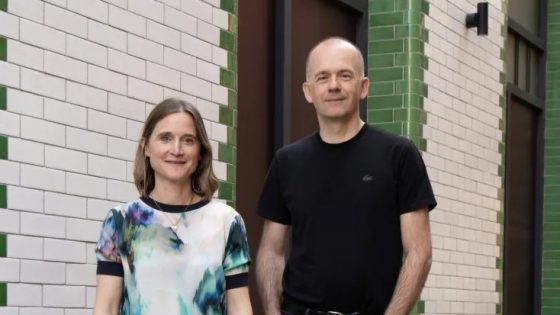
Practice name Stir Architects
Based Grosvenor Gardens, London, SW1W 0DH
When founded April 2025
Main people Ian Fenn, Rebecca Taylor (founding directors)
Where have you come from?
We worked together for more than two decades at JTP, where we were both partners for over 15 years. Prior to that, we spent time at David Wood Architects, Ateliers Jean Nouvel, and Foster + Partners.
Our track record in steering residential-led projects of all scales – from high-density urban quarters to large, mixed-use settlements – is experience we’re bringing right into our new practice. We founded Stir (Studio Ian + Rebecca) to champion a responsible and context-sensitive approach to shaping more than just homes, but rather places that nurture belonging, resilience, and joy.
What work do you have and what kind of projects are you looking for?
We’ve had a flying start that’s surpassed our expectations – with more than 50 opportunities in our first six months. These projects range from six homes to 6,000, supporting local authorities, landowners, housing associations, and developers. We’re staying selective of the projects we take on, pursuing those where there’s an evident shared ambition to create places with character and a strong sense of belonging, responsibly designed and supporting healthy, happy communities with longevity.
A new mixed-use neighbourhood in Guildford for the University of Surrey is one we’re excited about right now. Across 1,800 new homes, we’re shaping a new site that’s aligned with the university’s positive vision for addressing the grand challenges of our time.
We’re also working with Swindon Borough Council, supporting the design and delivery of an exemplary new residential neighbourhood of 450 homes, and a new nature reserve on council-owned land. And at a smaller scale, we’re just kicking off some new work with Greencore in Hertfordshire, where all new homes will be better than net zero, whole-life embodied carbon will meet the LETI 2030 target, and space heating and thermal performance will be to Passivhaus standard.
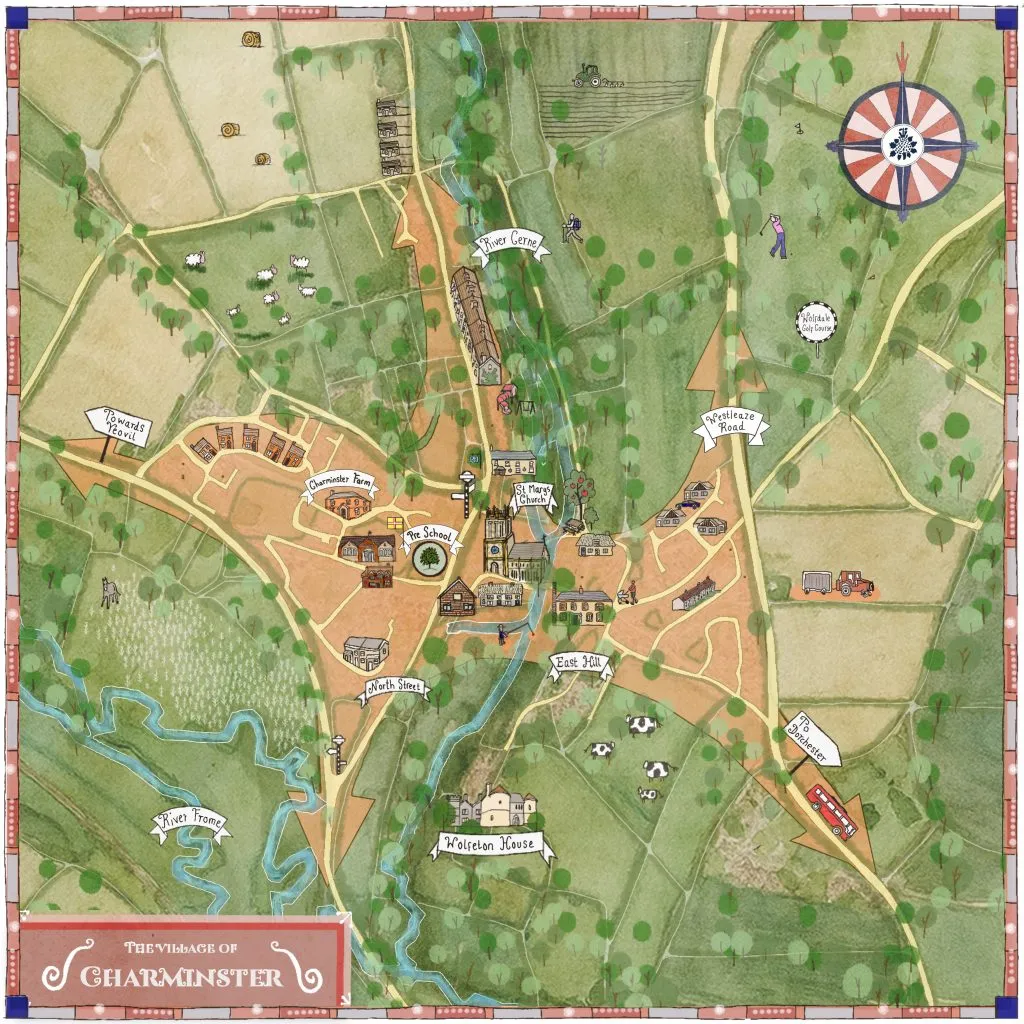
Stir Architects: proposals for a 100-home neighbourhood in Charminster, Dorset
What are your ambitions?
We’re currently a team of eight and growing steadily. Staying dynamic and disruptive is our focus, rather than growth in numbers. While our team is small, we’re connected with a wide network of experts in their field, and working smart to remain nimble and responsive. Our projects span the UK – from Dorset in the West, Norfolk in the East, and as far North as the Midlands.
The foundation of our practice is a longstanding and genuinely decades-long friendship. We’re proud to say that our team is formed of friends and colleagues we’ve worked with before and share values with. It’s important to all of us that we leave places better than we find them, making a positive impact for years to come.
What are the biggest challenges facing you as a startup and the profession generally?
Starting up a new business at a time of major unpredictability and uncertainty is not without its challenges. It has always been famine or feast for our profession, and never has that been more true than now.
We’re housing architects, so given the UK’s ongoing housing crisis, our focus is on delivering new homes across all types of tenure. But it’s important that as an industry we’re delivering these homes in a considered and responsible way.
‘It’s always been famine or feast – never has that been more true than now’
What we’re seeing is a drive for numbers leading to all manner of sites – largely greenfield – coming forward with limited thought, not only for what makes them appropriate for development, but what makes them distinct, connected and resilient. And then there is the question of whether these homes, built at speed, are designed to last.
Building the right kinds of homes, in the right places, and connected with the right infrastructure, will ultimately define whether these new neighbourhoods will succeed in the long run.
Which scheme, completed in the last five years, has inspired you most?
One of our favourite new neighbourhoods is Fish Island in Hackney Wick. The transformation of this former industrial area into a vibrant mixed-use neighbourhood has been particularly impressive, combining an effective and thoughtful placemaking strategy with sensitivity to its historic and creative character.
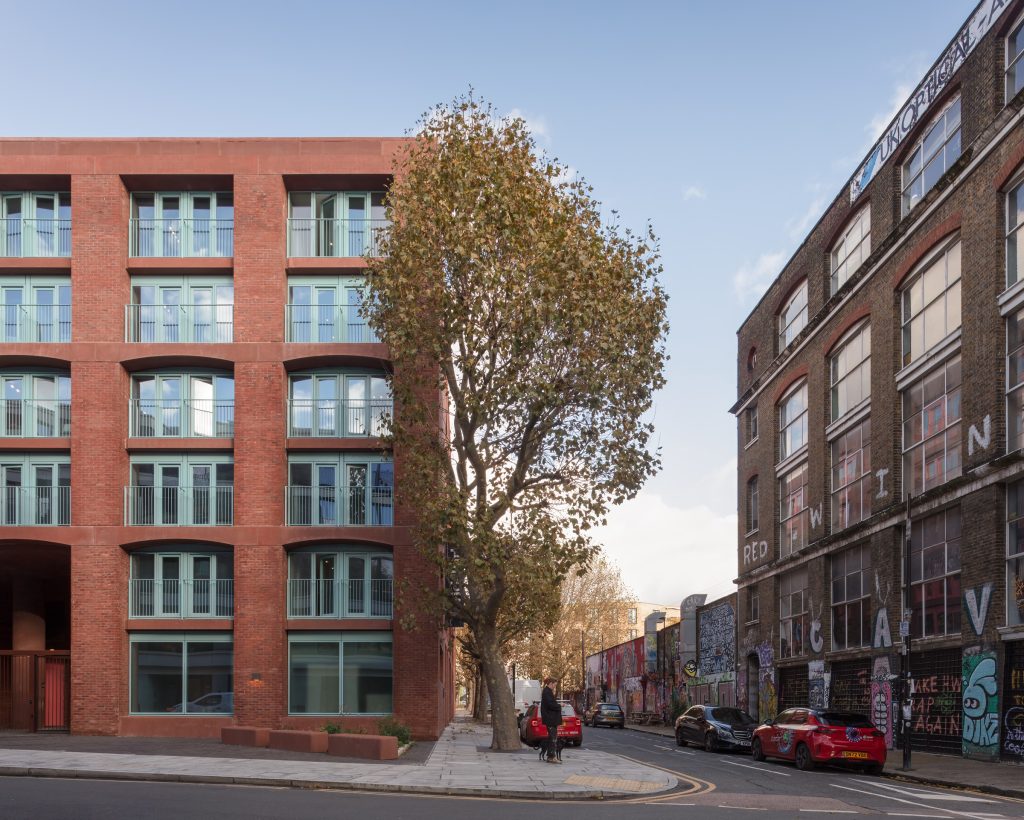
Fish Island, east London
The development has successfully reused and repurposed redundant industrial buildings alongside high-quality new architecture, helping to retain the area’s identity while driving progressive regeneration. Importantly, the project has delivered a meaningful provision of affordable housing, ensuring that existing and new communities can benefit from the area’s growth.
The integration of workspaces, cultural opportunities, public realm improvements and connections to the waterways has created a lively, inclusive place that feels rooted in its context rather than imposed upon it.
Are you using any new design techniques, such as AI?
As a startup, we’ve all been wearing many hats, concurrently leading projects, bidding for opportunities, marketing our new business, and building a library of research and resources.
All of this relies on a quick uptake of new software and agile design techniques, which include animation for our presentations, campaigns and social media; D5 for rendering; Procreate in workshops and design development; working with GIS datasets in masterplanning; photography and filming for our website; and building a brand identity.
The team has embraced these additional roles in the business and developed new skills, which wouldn’t necessarily be given space to be explored in a larger practice. And while there is considerable excitement around the potential for AI to save time, we still value the joy that comes from hand drawing and creative thinking, and regularly workshop design ideas together.
How are you marketing yourselves?
With many years in the industry, we’re fortunate to have grown strong relationships with friends, colleagues and experts across the sector. There has been incredible, and hugely appreciated, support for our new venture – and an understanding of exactly where we add value. These networks have always been central to our business as well as our business development, allowing us to keep marketing spend lean during these founding months.
‘We want to meet clients who are ready to challenge the status quo’
At the same time, we want to meet new clients who, like us and our long-time partners, are ready to challenge the status quo. That means looking at new ways of working, and particularly regenerative design, as well as the benefit of a more progressive, systems-led approach.
We’re comfortable pushing against convention, and at this stage in our careers, we have the experience and track record to do it with confidence and conviction.
It’s not just our name that’s designed to be disruptive; we like to say that we’re here to mix it up and play our part in shaping a more forward-thinking culture of design.