

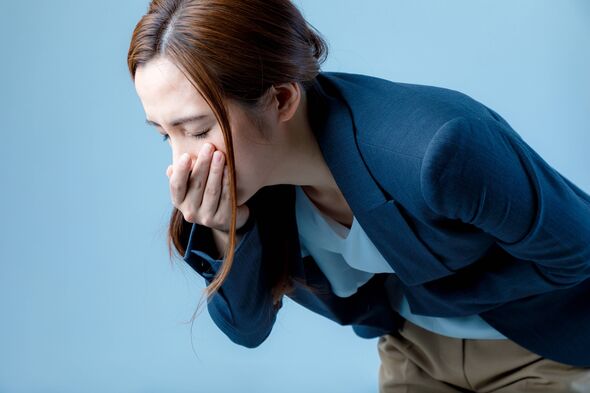
Norovirus cases have rapidly increased in the past couple of weeks (Image: Metamorworks via Getty)
A nasty virus is rapidly spreading across England, with people showing certain symptoms told to self-isolate. According to the latest data from the UK Health Security Agency (UKHSA), norovirus cases have surged by approximately 47% in the first fortnight of 2026.
In response, the UKHSA has reiterated the importance of good hygiene practices to curb further spread. Norovirus cases are predominantly reported among those aged 65 and over, and while activity remains within expected levels, hospital outbreaks are on the rise. The UKHSA’s recent surveillance data also indicates a decline in flu, COVID-19, and RSV levels in the initial week of the year.
People are urged to take straightforward steps to minimise the spread, such as regular hand-washing with warm water and soap or bleach-based cleaning products, as alcohol gels are ineffective against norovirus.
Ensuring indoor spaces are well-ventilated can also reduce the transmission of respiratory infections such as flu.
Read more: Parents told to never do 1 thing when toddlers or babies catch winter virus
Read more: Cases of ‘two bucket’ disease surge as hospitals declare critical incidents
Those experiencing symptoms are advised to stay home if possible. Those who must go out should consider wearing a face covering, especially when visiting anyone who is vulnerable.
While all winter viruses remain within expected levels for this season, their levels can be unpredictable and fluctuate throughout the season.
Amy Douglas, lead epidemiologist at the UKHSA, said: “We have seen a notable increase in norovirus cases in recent weeks among those aged 65 years and over, with more hospital outbreaks also being reported.
“While this is still within expected levels, there are simple steps that people can take to reduce the spread of norovirus and ensure levels don’t rise further.
“If you have diarrhoea and vomiting, don’t return to work, school or nursery until 48 hours after your symptoms have stopped and don’t prepare food for others in that time either.
“If you are unwell, avoid visiting people in hospitals and care homes to prevent passing on the infection to those most vulnerable.”
Flu and RSV vaccines continue to be available. Those most vulnerable to flu are entitled to a free flu jab on the NHS, including everyone over 65, pregnant women, children from the age of two (as of August 31) to school year 11, and those with certain chronic health conditions.
The RSV vaccine is also available to those aged 75-79, those who turned 80 years old after September 1, 2024, and to expectant mothers at or beyond the 28-week mark, as the vaccine helps to protect the newborn baby.
Vaccination offers the best defence against severe illness and hospitalisation for those at higher risk.
Dr Alex Allen, consultant epidemiologist at UKHSA, said: “It’s encouraging to see that levels of flu and RSV have fallen for another week. But we mustn’t be complacent because our data from previous years tell us that the end of the flu season could still be some months away.
“Respiratory viruses are unpredictable, but there are steps people can take to reduce the spread and ensure we continue on this downward trend – including taking up a vaccine if you haven’t yet.
“Vaccine appointments are still available on the NHS national booking system, and those most at risk who haven’t yet had their vaccine should make sure they take it up now to ensure they are protected for the remainder of the season.
“RSV vaccination remains open year-round for pregnant women and any older adults aged 75 to 80 who haven’t yet had a dose.”