
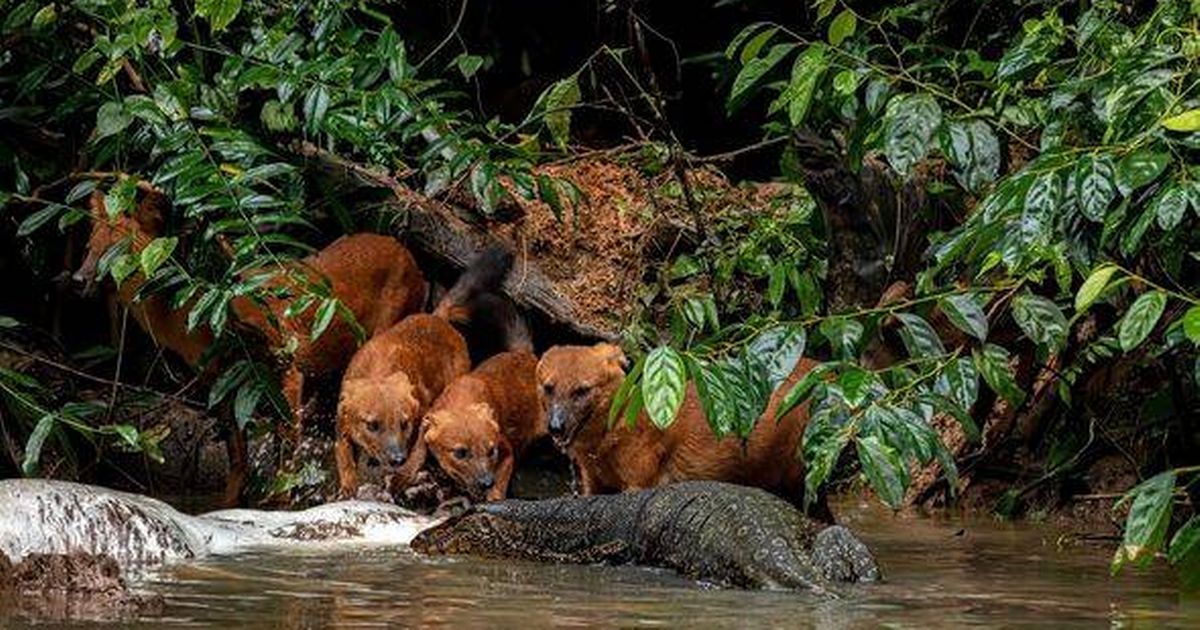
A pack of 10 Indian wolves has been discovered in West Bengal through an eight-month trail camera study, offering rare insights into these vulnerable predators’ survival in human-modified landscapes
12:41, 15 Jan 2026Updated 12:43, 15 Jan 2026
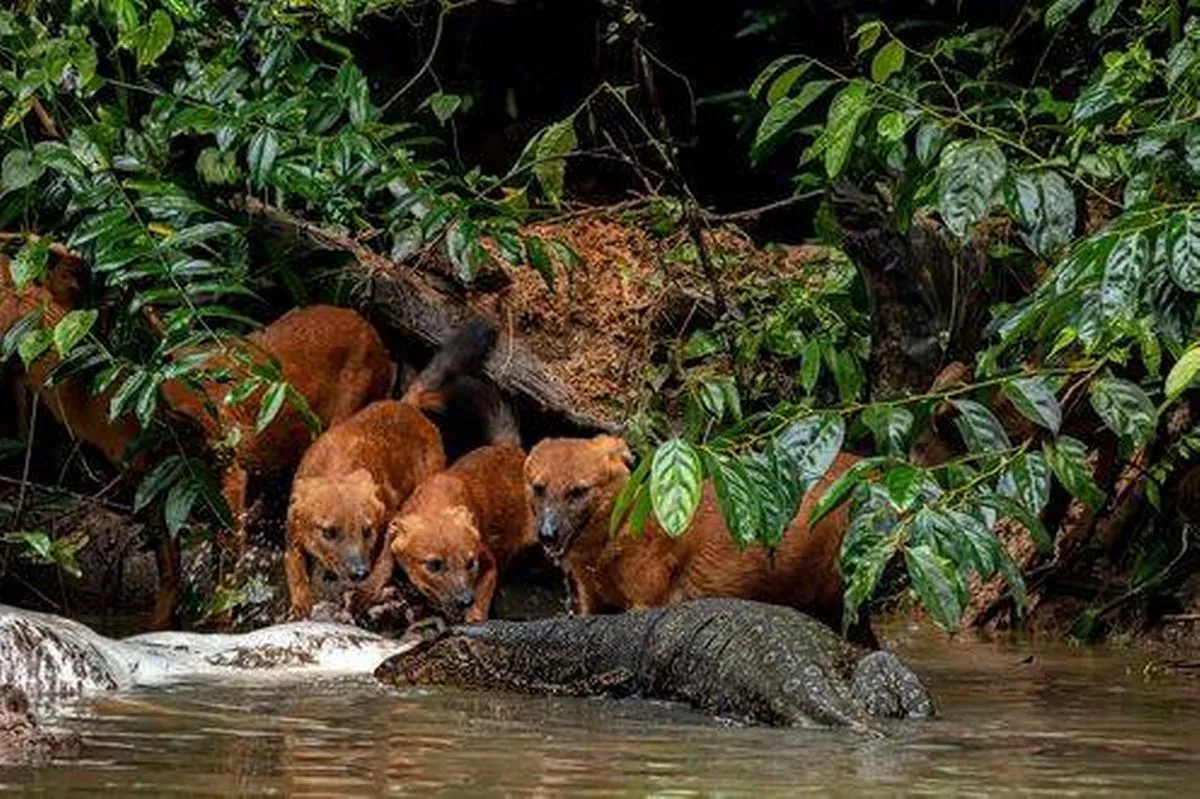
Scientists believe they found a rare pack of Indian wolves (stock image)(Image: Getty Images)
Scientists were stunned when trail cameras they’d positioned captured footage of 10 rare predators. The Indian wolf is classified as a vulnerable species on the International Union for Conservation of Nature Red List.
Estimates suggest only between 2,800 and 3,300 Indian wolves remain in the wild. Conservation experts point to habitat destruction from mining operations throughout India and “continuous hunting pressures” as they search for prey.
The IUCN highlights that the wolves also face a “major threat” from people, with many being poisoned or shot. This stems from a scarcity of natural prey, forcing the wolves to target livestock for survival.
Finding suitable territory poses additional challenges for the wolves. Potential habitats like sugar cane fields are frequently claimed by common leopards, leaving the wolves “pushed out” and seeking unconventional dens.
Meanwhile, the transformation of grassland areas into urban spaces has led to a rise in feral dogs, particularly throughout India, the IUCN notes. Researchers warn that interaction with feral dogs can transmit diseases to the wolves and intensify competition for food, reports the Express.
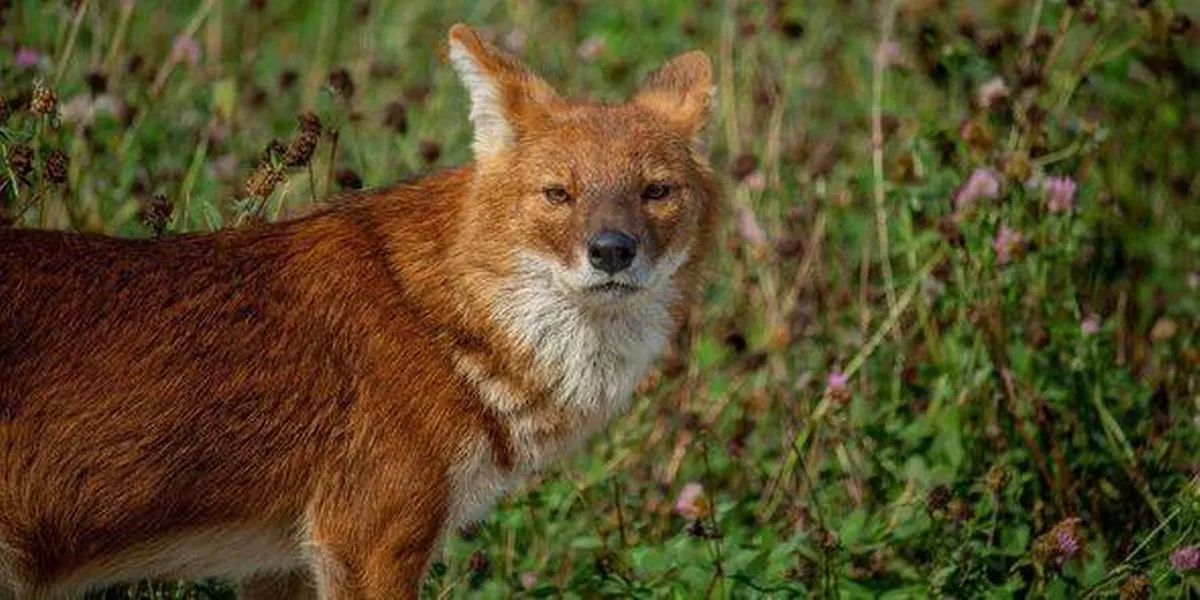
The Indian wolves are struggling to find habitats, scientists say(Image: Getty Images)
However, scientists in the village of Madhaiganj in West Bengal recently uncovered a rare pack of Indian wolves. They devoted eight months in 2023 to monitoring the wolves through a combination of camera traps, surveys and community interviews, according to Mongabay.
Since the wolves are primarily nocturnal, the team deployed trail cameras to keep tabs on their wellbeing. Divisional Forest Officer Anupam Khan believes the wolves are thriving and settling into their environment nicely.
However, he stresses that targeted conservation initiatives are essential to boost the species’ numbers. These include “region-specific conservation measures” like designating open habitats for the wolves and employing radio collaring to monitor their movements.
Researcher Arkajyoti Mukherjee explained: “What we are seeing is the apex predator of India’s grasslands surviving in an anthropogenically modified landscape.
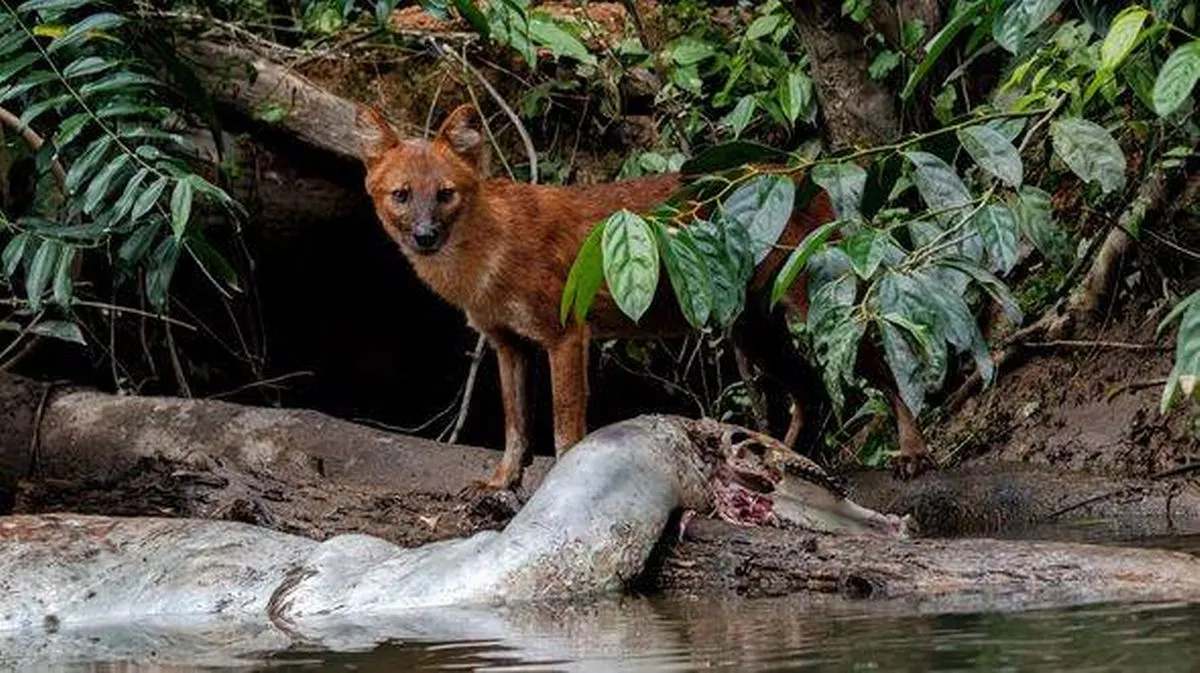
The Indian wolf is considered vulnerable(Image: Getty Images)
“This is a unique carnivore persisting in one of the most altered habitats in eastern India. Their survival here depends entirely on how well we can secure the remaining habitat pockets and promote coexistence.”
The expert continued: “We are only beginning to understand how unique this apex predator is. Every dataset from underreported regions like eastern India helps shape future conservation policy.”
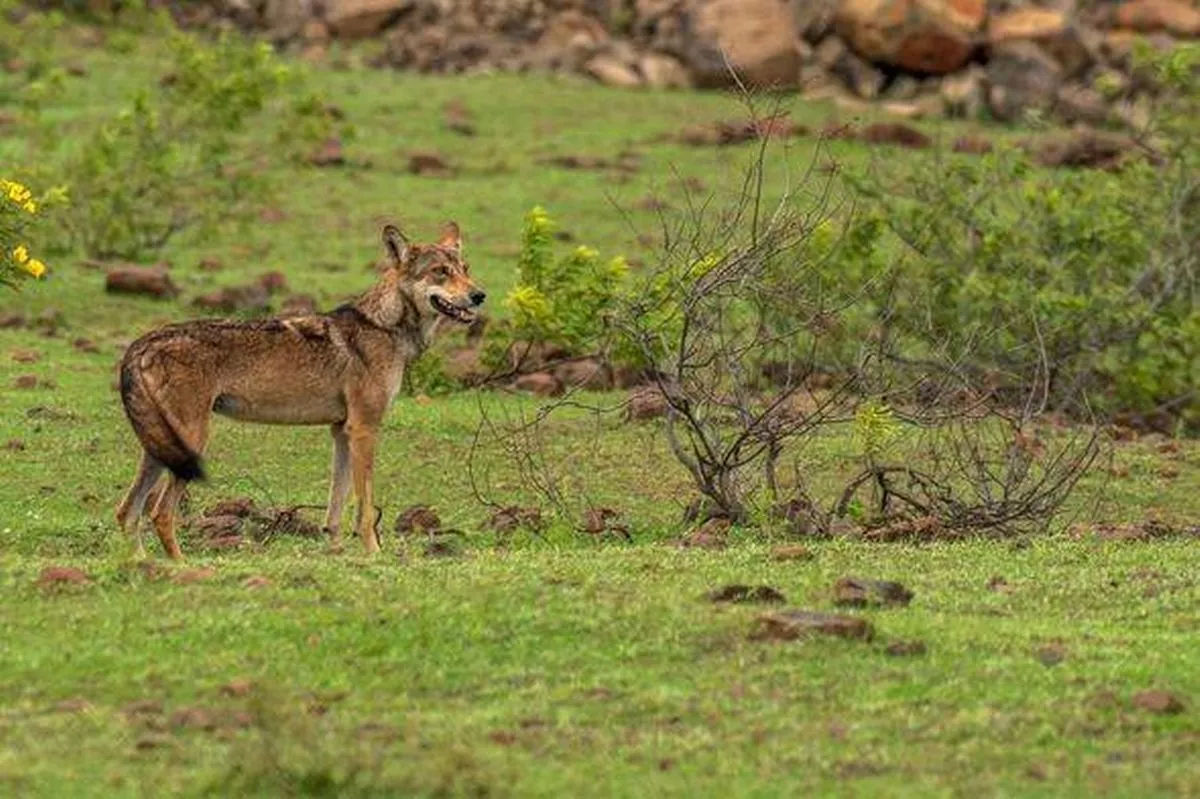
The Indian Grey Wolf(Image: Getty)
Whilst the wolves are classed as vulnerable in their natural habitat, the IUCN reports that several zoos are operating “captive breeding programmes”. It notes: “Genetically-informed captive breeding programmes of Indian wolves are of great importance for its future survival, especially for the population in Pakistan.
“These captive wolves could act as a safety net population for reintroduction or supplementation efforts in India and Pakistan, where thoughtful, genetically-informed selection of captive animals for release may help preserve or boost genetic diversity amongst wild populations.”