
For Wine, the result was a massive blow. His share of the vote slumped from 35% in 2021 to 25% this time round, despite Uganda’s overwhelmingly young population – a demographic long viewed as the 43-year-old’s natural base.
From Wine’s perspective, the election was neither credible nor legitimate.
He maintains that the campaign was far from free and fair, pointing to repeated disruptions of his rallies by security forces, including the use of tear gas and live ammunition to intimidate supporters, some of whom were killed.
He also alleged ballot stuffing but has not provided any evidence to back his claims. The authorities have not commented on the claims.
After two unsuccessful presidential bids, questions now hang over his political future.
There is a growing risk that he could follow the path of many opposition figures across Africa – politicians whose popular appeal was steadily eroded by sustained repression, leaving them permanently excluded from power.
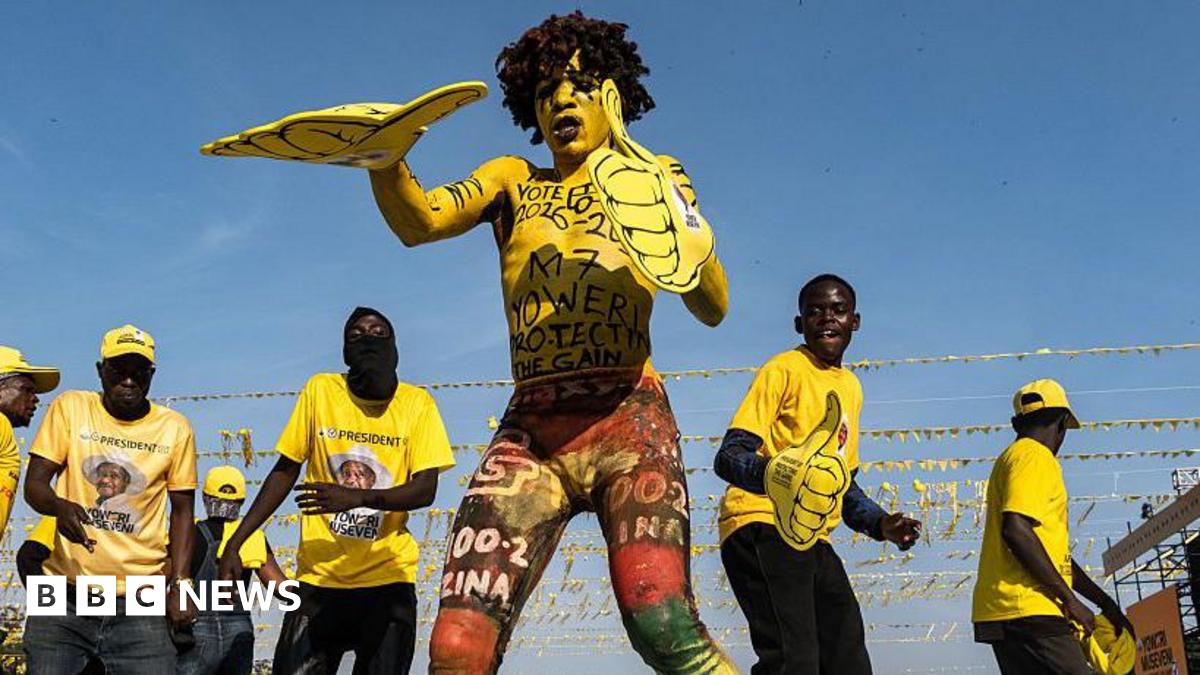
During the campaign, Wine embodied the energy and impatience of Uganda’s youth, while Museveni cast himself as the seasoned patriarch, the guarantor of stability.
Ultimately, according to the disputed official results, voters opted for the latter.
Those seeking to understand Uganda’s next chapter have largely focused on the question of presidential succession – when and how Museveni will eventually exit the stage.
Ugandan journalist and political analyst Allan Kasujja – a former BBC Newsday radio and podcast presenter – cautions against being fixated with the issue.
“Change in Uganda, especially political change, does not, and almost certainly will not, happen suddenly,” Kasujja says.
“It happens gradually, and that process has been under way for some time.”