

NEED TO KNOW
In November 2021, one woman started experiencing unexplained dizziness and head pressure despite being perfectly “healthy and active”
On Thanksgiving Day, her life changed “overnight” after experiencing a “severe” headache, followed by a seizure
Since then, the now-28-year-old has spent “95%” of her days lying down, but is “holding onto hope” that one day she’ll be healed
A 23-year-old woman living in the Midwest was perfectly “healthy and active” until November 2021, when she suffered a “thunderclap headache,” followed by a seizure.
“I was taken to the emergency room and was told to go home and rest, but I never got better,” Meredith, who asked for her last name to be omitted, tells PEOPLE exclusively. Since then, the now-28-year-old says she can only stand upright for a few minutes before her pain becomes “unbearable.”
January 2026 marked Meredith’s fifth birthday spent bedridden – a chilling milestone that reminds her of the many simple joys and experiences she’s missed out on due to her chronic illness.
“Every part of my life has been affected. I was young, extremely active and had a career I loved, and I lost all of that almost overnight,” she says. “You mourn the life you had, but you also grieve the life you were supposed to live.”
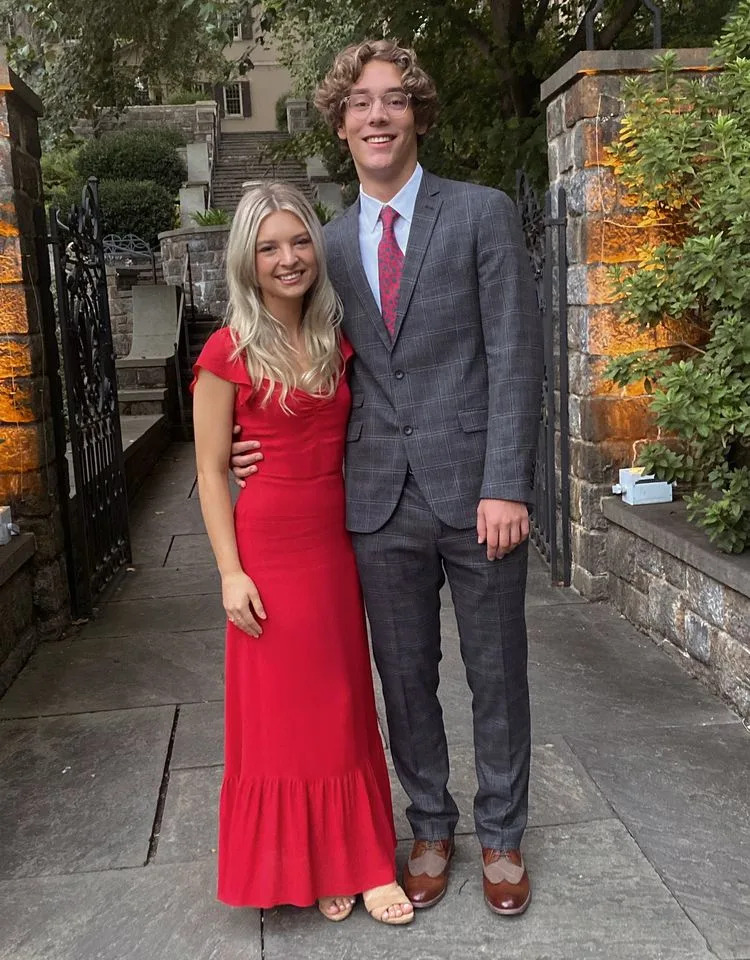
Meredith
Meredith and her husband before her seizure.
In August 2023, after nearly two years of relentless migraines, endless testing and advocating for herself, doctors officially diagnosed Meredith with a spinal cerebrospinal fluid leak (CSF), which also caused Intracranial Hypotension Spontaneous.
A CSF leak occurs when the fluid that protects the brain and spinal cord escapes due to a hole or tear in its outer layer. In a typical CSF leak, the fluid slowly leaks out through a tear, like water dripping from a small crack, and it can sometimes be sealed with a patch.
Meredith, however, has a CSF-venous fistula where, instead of leaking out, the fluid is pulled directly into a vein and carried into the bloodstream. As a result, it is much harder to fix and requires more complex treatment.
“People with CSF leaks often say you can’t truly understand it unless you’ve lived it, and I completely agree,” Meredith affirms.
Over the past few years, Meredith has undergone multiple blood patches, procedures, and, most recently, the placement of a brain stent, but her type of CSF leak is especially difficult to treat.
Sealing one leak often leads to another, in part because her connective tissue disorder (EDS) makes her more prone to ongoing leaks.
Testing is also challenging, as finding a leak requires puncturing the spinal canal, which can create new leaks. CSF-venous fistulas are particularly hard to see on scans, often requiring multiple attempts to locate.
Never miss a story — sign up for PEOPLE’s free daily newsletter to stay up-to-date on the best of what PEOPLE has to offer, from celebrity news to compelling human interest stories.
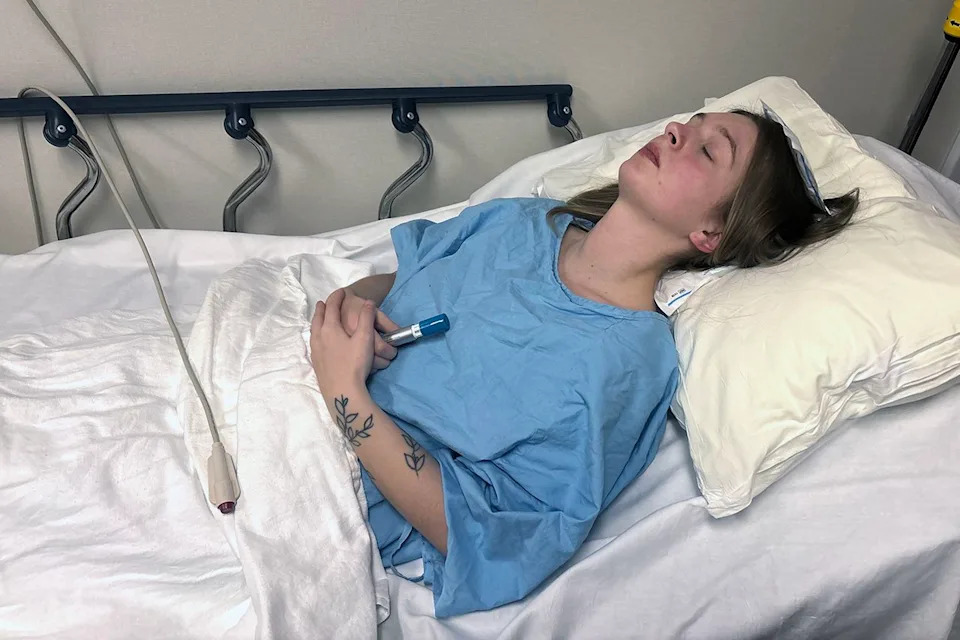
Meredith
Meredith in the hospital.
Now, Meredith says she spends around “95%” of her day lying down to minimize the debilitating symptoms.
“I eat with my head slightly elevated, brush my teeth in bed, and only get up for necessities like using the bathroom or taking a bath,” Meredith explains.
“Even small things like washing my face or making a snack often feel impossible due to the severe pain when upright,” she adds. “When your brain is sinking into your skull, pain medications don’t help; the only option is lying flat.”
Given that CSF leaks impact the entire body, symptoms often worsen the longer the leak continues. In Meredith’s case, severe ear and neurological symptoms have made social interaction extremely difficult, limiting her to only brief visits with friends and family, as well as leaving her unable to work.
“Physically, my body has deteriorated, and I have developed several other health complications along the way,” she shares. “Mentally, it is a constant choice to keep fighting through something that is both isolating and incredibly painful.”
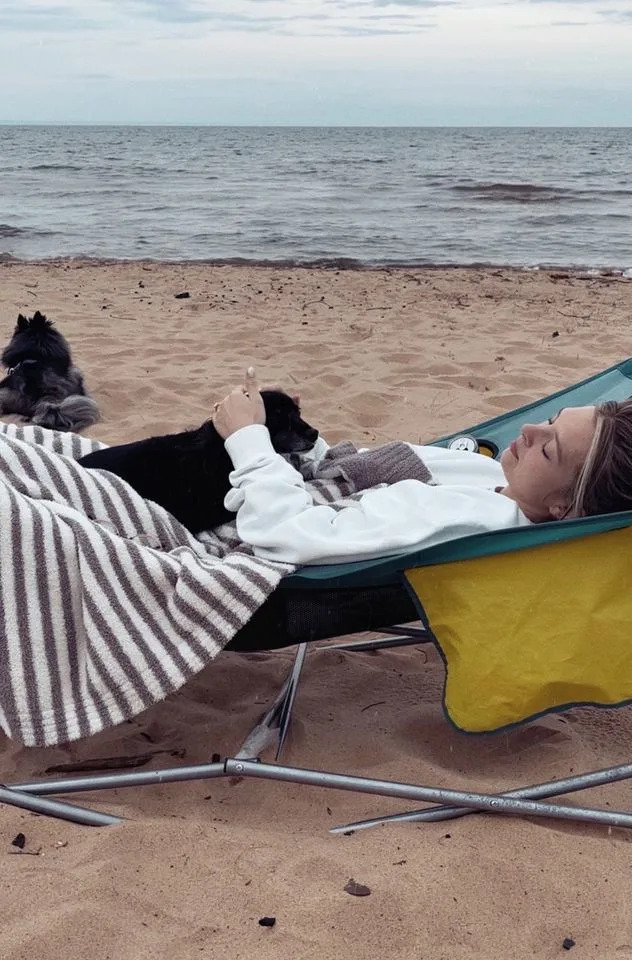
Meredith
Meredith at the beach.
Nevertheless, Meredith has not allowed her diagnosis to define her by finding new ways to adapt to her reality.
“I have learned how to do things in modified ways, like getting my hair done by my best friend while lying on a massage table,” she explains.
“Some of my favorite moments are holding my nephews while they nap or finding an accessible beach where I can feel part of the world again, even if I am lying down,” Meredith adds. “Those moments give me little glimpses of normalcy.”
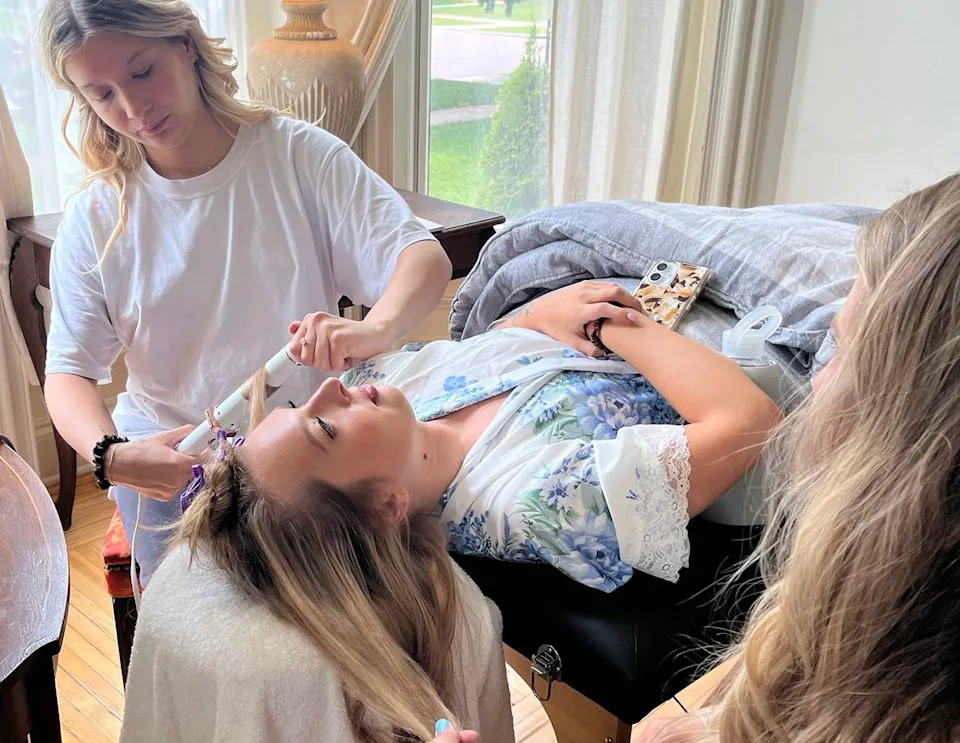
Meredith
Meredith getting her hair done.
One of the most defining moments of the past year was her wedding. The couple hosted their loved ones at a rented historical home, where Meredith “was able to lie down on a fainting couch.”
“It was not how I had pictured my wedding, and accepting that reality was painful, but it also taught me to find joy in what I can still experience,” Meredith admits.
Her husband has been a constant support throughout her journey – helping with daily challenges and keeping her hope alive. Her family and friends have also shown unwavering love, surrounding her with the encouragement she needs to get through each day.
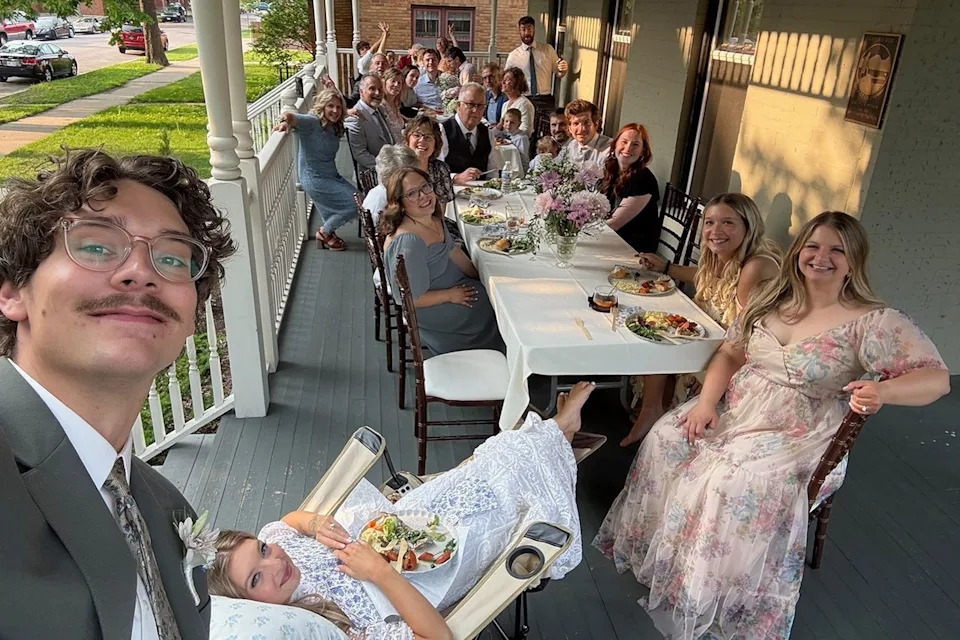
Meredith
Meredith and her wedding party.
For the past three years, Meredith has been documenting her journey with chronic illness on TikTok in hopes of inspiring others to never give up.
“By sharing my story, I hope to bring awareness to a condition that is both unimaginably painful and deeply isolating. I want to advocate for more understanding, research, and better treatments for everyone living with this,” she tells PEOPLE.
“My experience has shown me that disability isn’t something that only happens to ‘other people.’ It can happen to anyone, and many disabilities are invisible,” she adds. “We don’t always see the struggles someone is facing, which is why it’s so important to take the time to extend understanding rather than judgment.”
Read the original article on People