
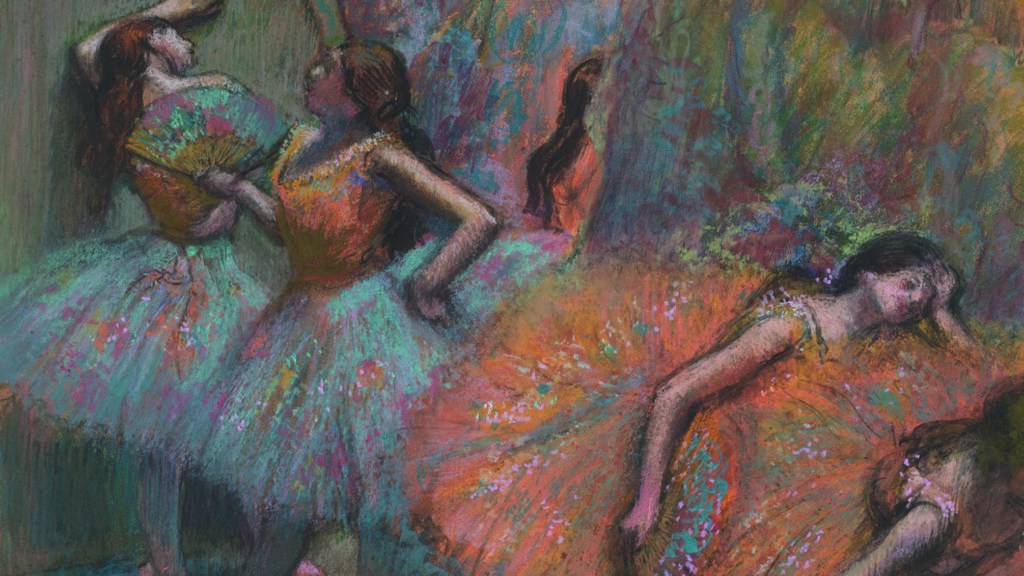
The National Gallery, Somerset Heritage Centre and the National Army Museum were among the recipients of “cultural treasures” last year through Acceptance in Lieu and the Cultural Gifts Scheme.
During the 12 months to 31 March 2025, a total of 32 cases went through the schemes (seven through Culture Gifts Scheme and 25 through Acceptance in Lieu) with objects worth a collective £59.7m accepted on behalf of the nation.
Acceptance in Lieu allows people to pay an inheritance tax bill by transferring important cultural, scientific or historic objects and archives (see box below) to the nation.
The Cultural Gifts Scheme enables UK taxpayers to donate similarly important works of art or heritage objects to public museums, galleries, libraries and archives in return for a tax reduction.
Pre-eminence criteria used to assess objects offered under both schemes:
Does the object have an especially close association with our history and national life?
Is the object of especial artistic or art-historical interest?
Is the object of especial importance for the study of some particular form of art, learning or history?
Does the object have an especially close association with a particular historic setting?
Last year was the second most successful year for the schemes in recent years, narrowly beaten by 2020 when 52 objects worth £64m were transferred through the schemes, which are administered by Arts Council England (ACE) on behalf of the Department for Culture, Media and Sport.
Writing in the forward to the Cultural Gifts Scheme & Acceptance in Lieu Report 2025, Nicholas Serota, chair of ACE, said: “At a time when public funding is limited and budgets for acquisitions are under considerable pressure, Acceptance in Lieu and the Cultural Gifts Scheme are crucial routes by which public collections can acquire culturally significant objects. Encouragingly, many allocations this year have gone to regional institutions, usually at no cost to the recipients.”
Among the seven Cultural Gifts given throughout the year were a collection of Bill Brandt photographs, which were gifted to Tate Britain; a standing desk used by two prime ministers, which was gifted to the National Trust for Hughenden Manor in High Wycombe; a Vanessa Bell painting, which was gifted to Charleston House in Firle; and a maiolica pharmacy jar, which was gifted to the Ashmolean Museum in Oxford.
Gifts though the Acceptance in Lieu scheme include an Anthony du Boulay collection of 18th-century English porcelain, gifted to the Huguenot Museum in Rochester; the Shaw-Hellier collection of musical instruments, gifted to St Cecilia’s Hall and Music Museum in Edinburgh; and four deeds related to the murderers of St Thomas Becket, gifted to South West Heritage Trust in Taunton.
The Richard Adams archive
The archive of the novelist Richard Adams (1920-2016), consisting of 38 bankers’ boxes of typescripts, correspondence and papers, was gifted through Acceptance in Lieu to the Bodleian Library, University of Oxford, settling £17,734 of tax.
The Panel considered the archive, accepted from the estate of Barbara Elizabeth Adams, pre-eminent under the third criterion (“Is the object of especial importance for the study of some particular form of art, learning or history?”), in acceptable condition and fairly valued.
Adams’s debut and most famed novel, Watership Down (published in 1972) about a community of rabbits, emerged from stories the author told to his daughters during car journeys.
The report states: “While essentially an adventure story, Watership Down also tackled subjects such as social displacement and environmental destruction that have become even more important in the years since its publication.”
Adams also published Plague Dogs (1977), Shardik (1974) and The Girl in a Swing (1980).
His archive includes material including subsequent drafts, papers relating to film and stage adaptations and correspondence with publishers.
Enjoy this article?
Most Museums Journal content is only available to members. Join the MA to get full access to the latest thinking and trends from across the sector, case studies and best practice advice.