
I went to the Masters for the first time in 2000. To borrow and bend slightly from Paul Simon, that Augusta seems like a dream to me now. All that remains is Vijay Singh’s towering approach to the 15th green, hooked round the trees, landing softly on the right side of the green before trickling down to 15 feet. It was reminiscent of, but even better than, Rory McIlroy’s shot to the 15th last April. Like McIlroy, Singh made birdie and went on to win.
There is a second memory. Recollection of this comes with internal laughter. A Masters rookie, I shared a house in Augusta with my colleague Paul Kimmage, who had been there before and knew his way around. Early that week he told me his Singh story from a year before. During Masters week in 1999, Kimmage had been at Borders bookstore on Robert C Daniel Jr Parkway in the late afternoon. Singh was standing at the checkout.
Kimmage figures it must have been Friday, because that was the round Singh shot 76. In his wire basket were 15 to 20 books. Curiosity led Kimmage to check out Singh’s taste in literature. Every book in the basket related to putting and how it could be improved. It is true to say that in Singh’s hands, the Dandy blade he used at the time was no wand.
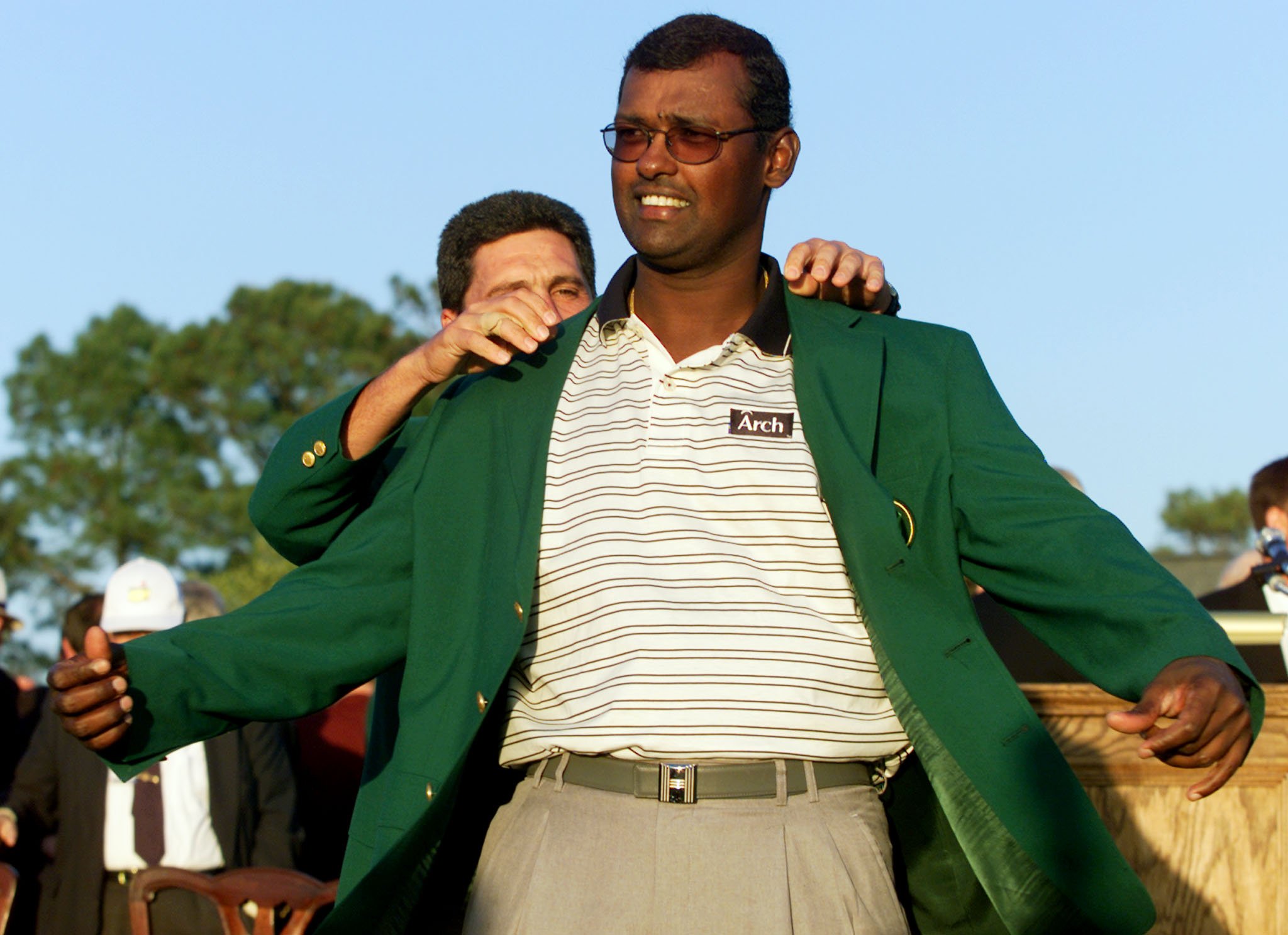
Singh receives his Green Jacket after a three-stroke victory at Augusta in 2000
GARY HERSHORN/REUTERS
So a year later, we joked about Singh. The poor sod, thinking he could read his way to better putting. All those books, and, knowing him, he probably read them. Then the tournament began and Singh dominated. He putted solidly and ended up winning by three. At his post-round press conference on Sunday we sat wondering which of the books had made the difference, but of course we dared not ask. The man in the Green Jacket had the last laugh.
All of which is to say that I’m not against instructional books and their authors. Ask anyone who has read Ben Hogan’s Five Lessons: The Modern Fundamentals of Golf and they attest to how simply brilliant the book is. What I struggle with are management books, especially those that lean into sport. James Kerr’s Legacy: What the All Blacks Can Teach Us About the Business of Life is a classic of the genre.
Published in 2013, Legacy was critically acclaimed and hugely popular. This was the book that introduced the wider public to the culture of the greatest rugby team in the world. Kerr made much of the collective humility of the All Blacks and the willingness of the players to clean their changing rooms after training and matches. “Never be too big to do the small things that need to be done,” Kerr wrote.
The All Blacks, of course, would never be too big for their boots. Unthinkable. Kerr explained this: “To become an All Black means becoming a steward of a cultural legacy. Your role is to leave the jersey in a better place. The humility, expectation and responsibility that this brings lifts their game. It makes them the best in the world.
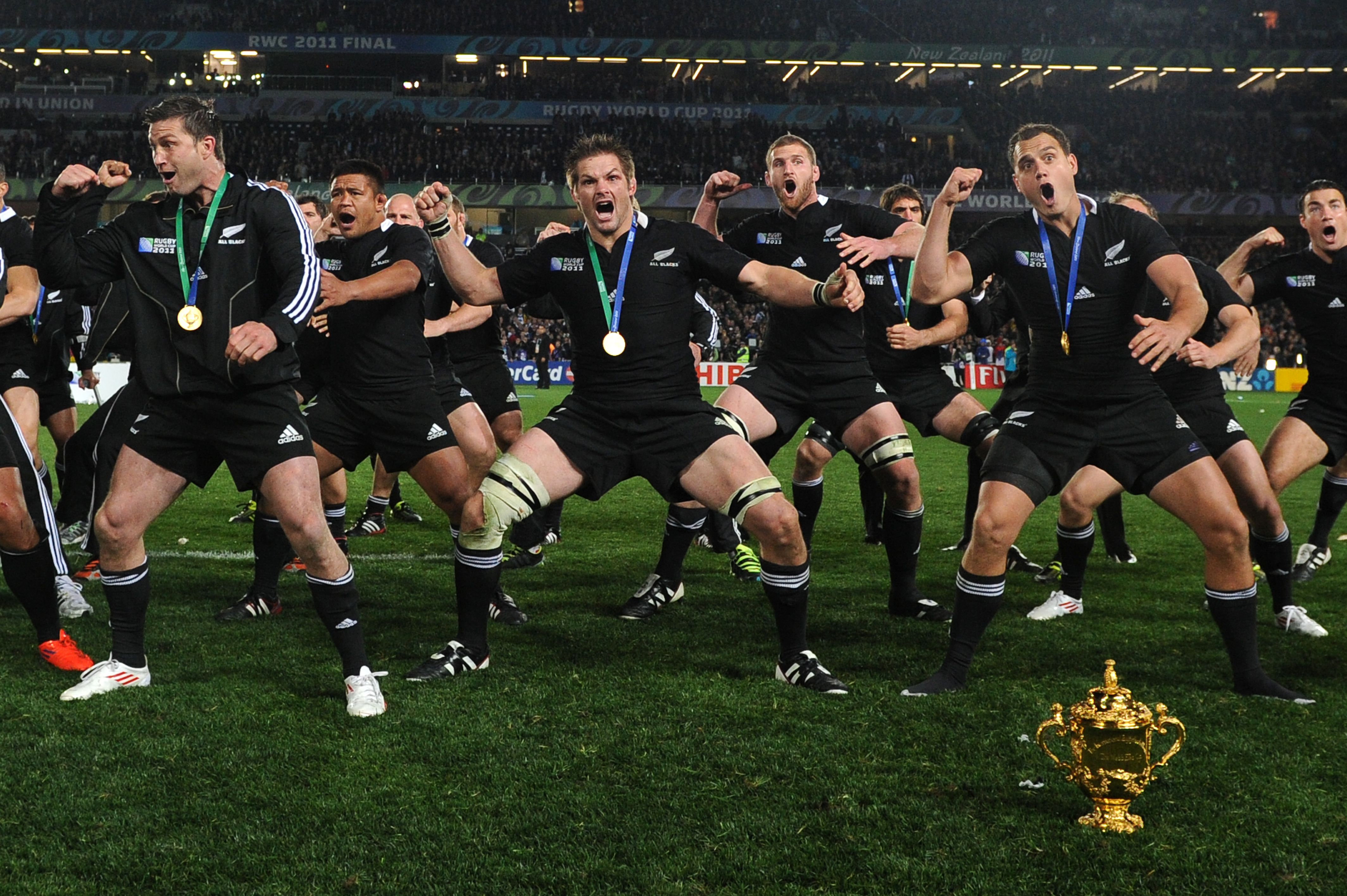
The All Blacks, led by the inspirational McCaw, centre, won their second World Cup title in 2011
FRANCK FIFE/AFP
“So, as these sporting superstars clean up their locker room, looking after themselves so that no one else has to, we might ask ourselves if excellence — true excellence — begins with humility; with a humble willingness to ‘sweep the sheds’. After all, what else is a legacy if not that which you leave behind after you have gone?”
There are plenty of other observations that convey this sense of a supreme sporting culture, an example to all. I don’t doubt that there have been many great All Blacks teams, the results demonstrate this. But the stuff that Kerr went on about, it was all a little too sweet to be wholesome.
He spent time with the team in 2010, spoke extensively to members of the coaching staff and delivered his book three years later. During that time New Zealand won the 2011 World Cup. So, you may be thinking, it all adds up. The team with the superior culture came through in the end.
That’s not how I remember it.
The All Blacks won that final 8-7 against a poor France whose players had been at war with their coach, Marc Lièvremont, in New Zealand. Apart from the brilliance of Richie McCaw, who contributed enormously though playing with a debilitating ankle injury, and Stephen Donald’s decisive penalty, there isn’t much that remains from that All Blacks victory.
Here’s the thing, though, that undermines Kerr’s version of the All Blacks. Three nights before New Zealand’s quarter-final against Argentina, two members of the squad, Cory Jane and Israel Dagg, left the team’s hotel in Takapuna in Auckland’s North Shore. They ended up in Mac’s Brew Bar, where they had plenty to drink until they were rescued and hauled back to their hotel by their team-mate Piri Weepu. It was after 1am when they returned.
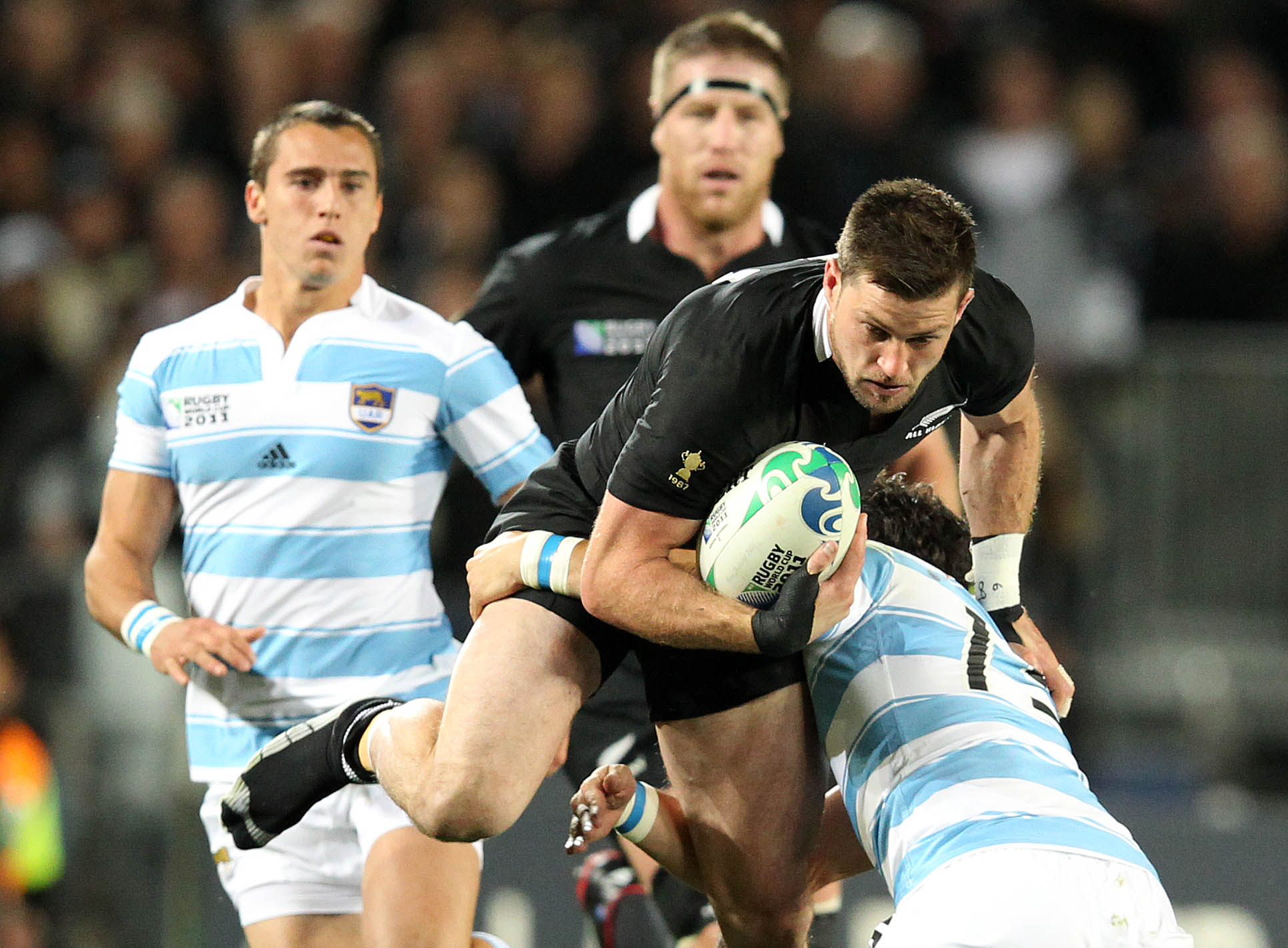
Despite his shenanigans in Mac’s Brew Bar, Jane still played against the Pumas in the quarter-final
TIMES PHOTOGRAPHER MARC ASPLAND
Over the following days, the story was big news in New Zealand. “Stunned bar patrons have told how the two backline stars appeared to be swaying and slurring their words,” one report said. “Witnesses said Jane lit a cigarette in the bar — breaking the Smoke-free Environments Act 1990 banning smoking in pubs, in force since 2004.”
As remarkable as the egregious breach of discipline was, the All Blacks’ response was even more remarkable. They did nothing. Questioned, they said the matter had been dealt with internally. And the consequences for the players? At 7.26am the next day, six hours after returning from Mac’s Brew Bar, Jane was named in the team to play the Pumas.

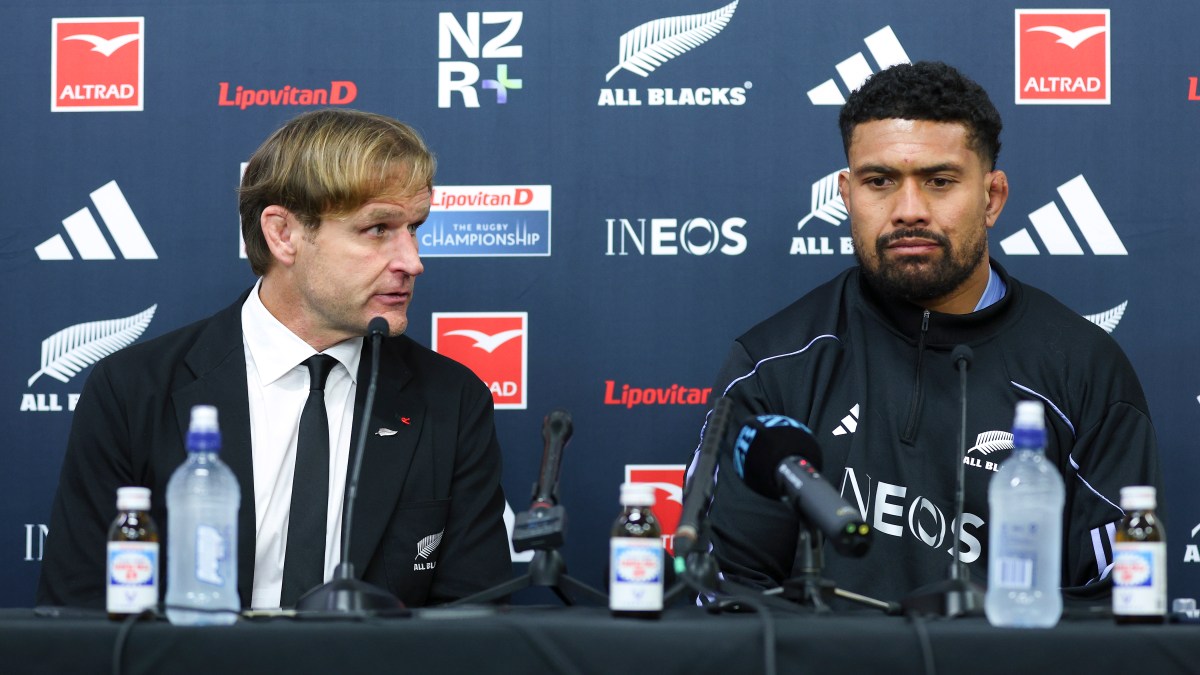
Kirk, the New Zealand Rugby chairman, insists that Robertson’s dismissal is performance related
HUW FAIRCLOUGH/GETTY
The team manager, Darren Shand, seemed disgusted with the players’ behaviour, but, asked what price they would pay, he said, “We don’t have any policy on smoking or drinking, we just expect them to make good decisions. Clearly there is enough evidence out there from both sides to say they have let themselves down. Cory had better play a blinder [against Argentina].”
Dagg was injured for that quarter-final but he and Jane played in the team who won the World Cup final.
This controversy played out while Kerr was researching Legacy, but he ignored it. Far better to write of the environment from which all of us can learn. Far easier to write, as Kerr did, that “no one is bigger than the team and individual brilliance does not automatically lead to outstanding results. One selfish mindset will infect a collective culture.”
And what happens when two selfish mindsets betray the entire group? Well, that depends.
I was reminded of all this when the news of Scott Robertson’s exit as New Zealand’s head coach broke last week. The chairman of New Zealand Rugby, David Kirk, explained that the firing was based on performance, but this is far from the complete story. Writing in The New Zealand Herald, the well-informed Liam Napier wrote that some players weren’t at all happy with Robertson, especially the team’s best player, Ardie Savea.
Napier wrote that Savea was of a mind to forsake the All Blacks rather than continue under Robertson. That’s not something a reputable journalist would write without tacit approval from the player or his representatives. New Zealand Rugby chose the player over the coach. They may not be wrong, just as Graham Henry and his management team might not have been wrong to give the two boozers a free pass in 2011. New Zealand did win that World Cup.
That’s not what I’m saying.
What I am saying is what Jay Landsman said in his radiant eulogy at Ray Cole’s wake in season three of The Wire. “His shit was as weak as ours, no question,” Landsman said of his friend. So too for the All Blacks — their shit is as weak as ours. Acknowledging this would show true humility.