
RSPB’s Big Garden Birdwatch returns with birds and wildlife ‘struggling right now’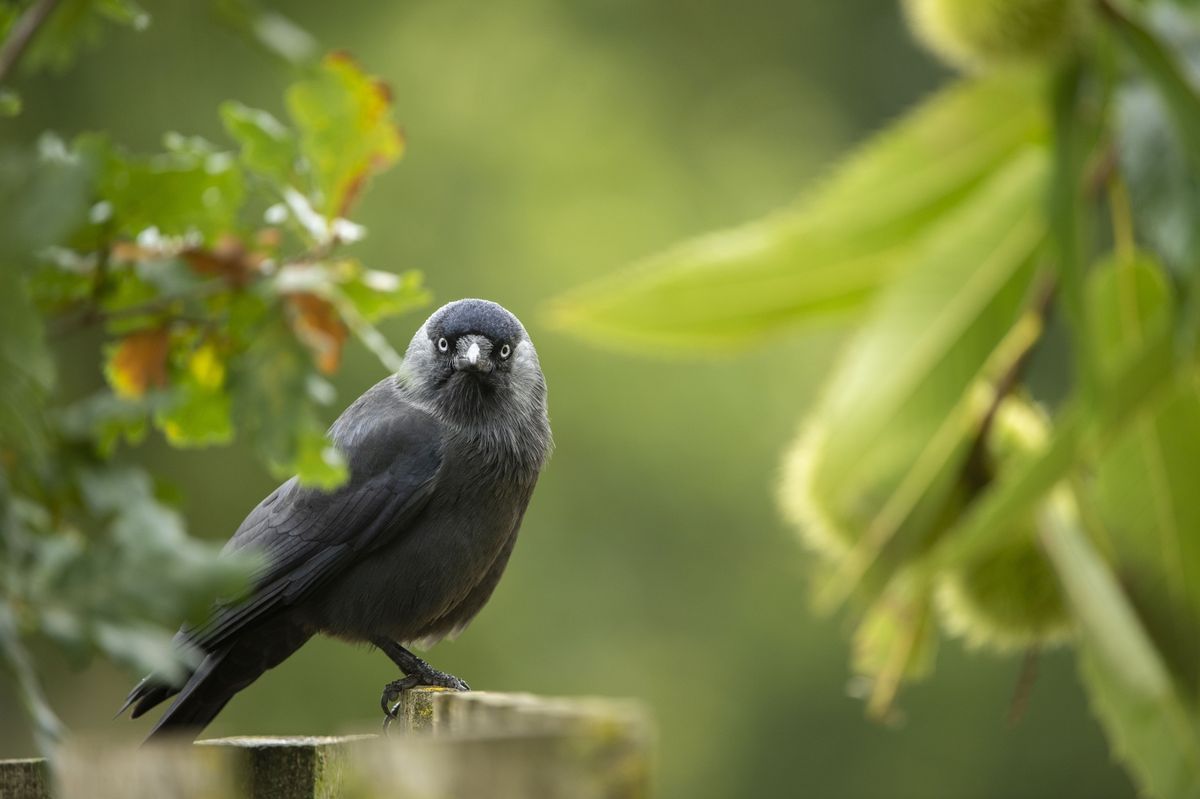
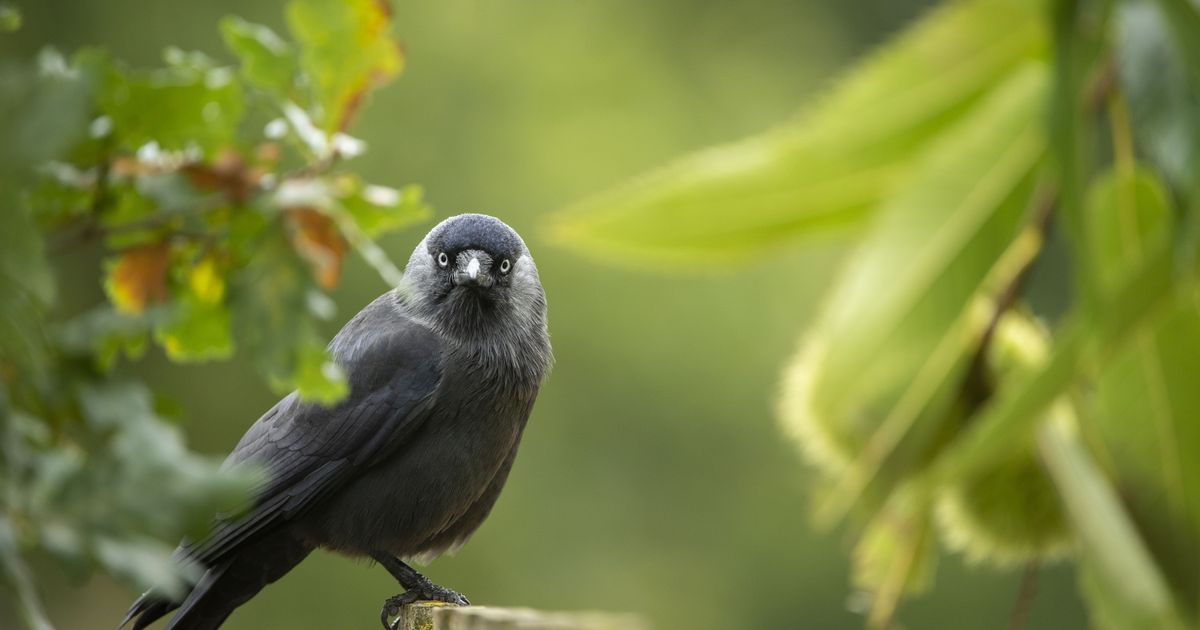
Jackdaw on a garden fence – what might you spot during the RSPB Big Garden Birdwatch 2026?(Image: Ben Andrew (rspb-images.com))
The world’s largest garden wildlife survey that provides a snapshot on how garden birds are faring in the UK needs East Yorkshire “watchers” this month. The RSPB’s Big Garden Birdwatch is back, from January 23 to 25, when hundreds of thousands of people are expected to watch and count the birds seen in their gardens.
In 2025, nearly 600,000 people across the UK took part – 3,500 of them in East Yorkshire – counting more than nine million birds. With birds now facing so many challenges due to the nature and climate emergency, every count matters, said the wildlife charity.
At the last count, the house sparrow took the top spot as the most commonly seen bird in the East Riding, followed by woodpigeon and blackbird. This January, people in the county are asked to spend an hour watching and counting the birds in their garden, allotment, balcony or local park, then send their results to the RSPB.
There is still time to register and take part. You can receive a free postal or digital Big Garden Birdwatch guide, including a bird identification chart, top tips for your birdwatch, an RSPB shop voucher, and advice on how to attract wildlife to your garden, by calling 0800 473 0251, by texting BIRD to 84901, or by visiting rspb.org.uk/birdwatch
The Big Garden Birdwatch started in 1979 and has become a much-loved annual citizen science survey, with more than 200 million birds counted and nearly 12.6 million hours spent watching and counting garden birds since. Beccy Speight, the RSPB’s chief executive, said: “By taking part in the Birdwatch, you and hundreds of thousands of other nature lovers across the UK, are helping us understand how garden birds are doing.
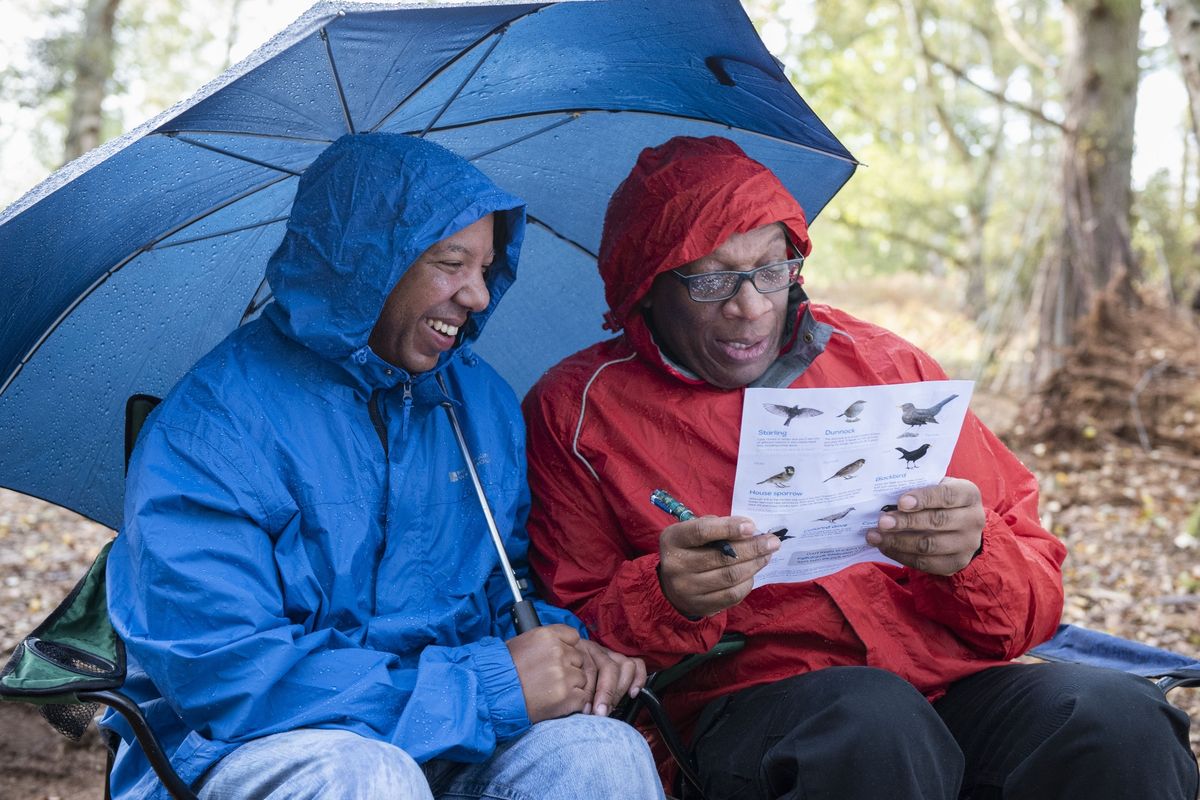
Sign up and the RSPB will provide a handy bird identification chart(Image: Eleanor Bentall (rspb-images.com))
“Birds and wildlife are struggling right now. Every observation counts, even if you see nothing at all.
“Whether you live in a city or the countryside, anyone, anywhere, can take part in the Big Garden Birdwatch – even if you don’t have a garden. A park, balcony, allotment or window box will do.
“Simply spend an hour and count the birds you see. It’s good for wildlife and evidence shows it’s good for our own wellbeing.”
Last year’s UK-wide Big Garden Birdwatch results revealed that the house sparrow held the top spot for another year as the most commonly spotted bird, with blue tit riding high at number two and woodpigeon coming in at number three. Starling and blackbird made up the remainder of the top five most recorded species.
Despite the top ten remaining the same as 2024, there were declines in average numbers counted for house sparrow, blue tit and starling. It could be that these results are weather related – Storm Eowyn hit last year’s Big Garden Birdwatch weekend, which the RSPB said would make it even more interesting to see this year’s results.
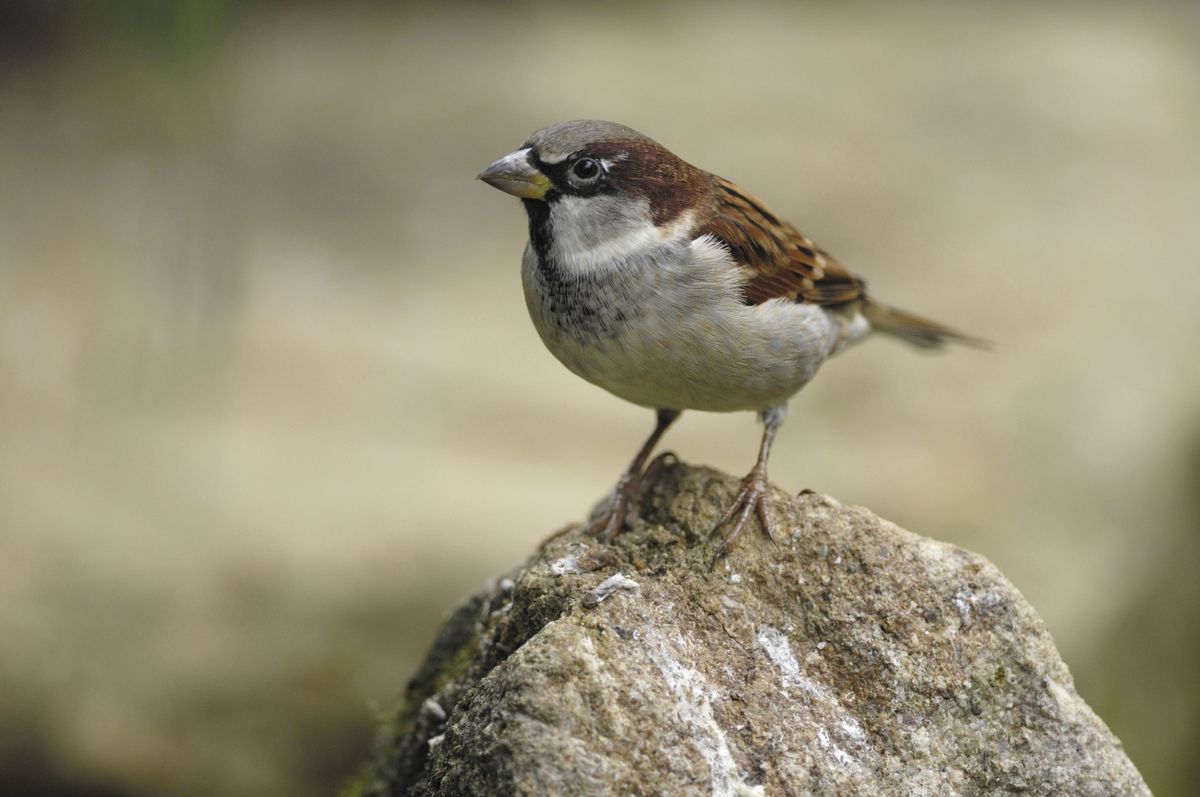
The house sparrow held the top spot for another year as the most commonly spotted bird in the 2025 Big Garden Birdwatch(Image: Ray Kennedy (rspb-images.com))
While house sparrows were still ranked number one for the 22nd year in a row, numbers have significantly declined since the Birdwatch began. Average numbers spotted in gardens, parks and community spaces has fallen 64 per cent since the first Big Garden Birdwatch in 1979.
With starlings remaining at number four, count numbers fell again by a further six per cent to the lowest average count ever recorded, a “particularly worrying trend”, said the RSPB. The causes of starling declines, particularly within the urban environment, are not known.
Great tit, goldfinch and long-tailed tit all remain in the UK top ten. The latter, looking very much like cotton wool balls on sticks, are a treat to see anywhere and frequently observed in small family flocks.
Beccy said: “Even on the greyest winter day, garden birds bring a welcome dose of nature into our everyday lives. Take a moment to pause, to listen, to notice.
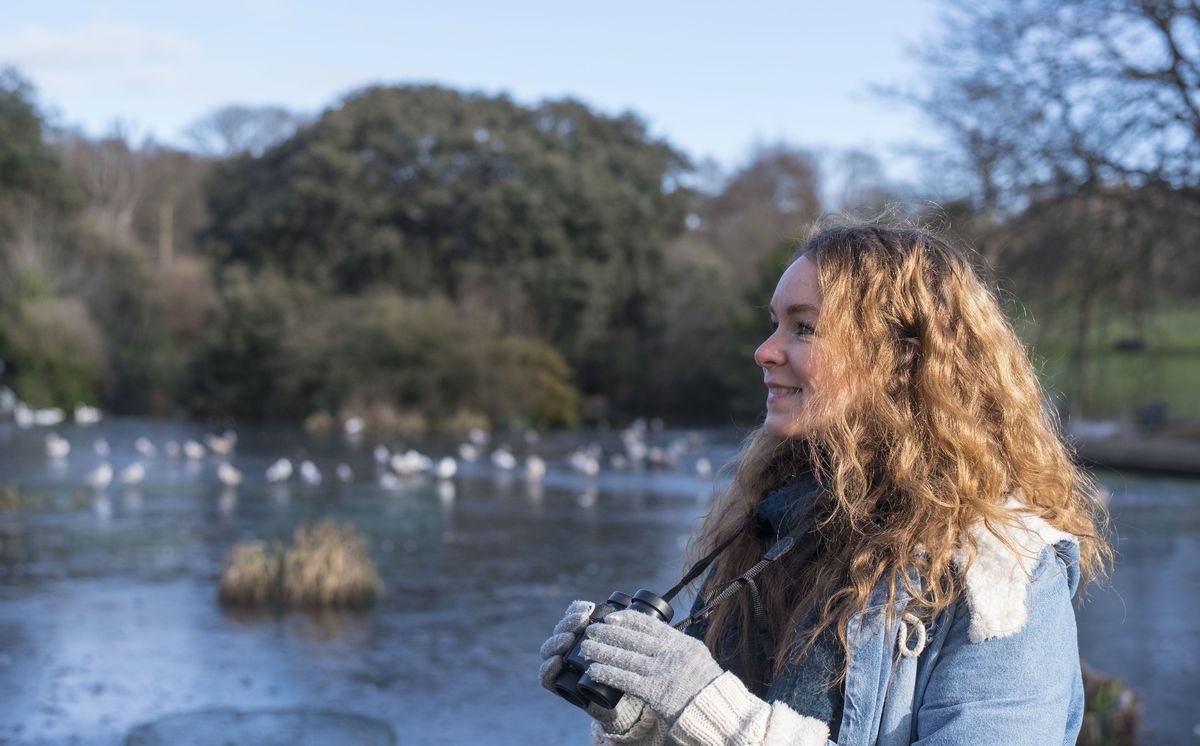
You don’t have to have a garden, you can spend an hour watching and counting the birds in an allotment, on a balcony or at a local park(Image: Katie Nethercoat (rspb-images.com))
“We need nature, and nature needs us. By joining the Big Garden Birdwatch you’re doing something positive for birds and nature. Because when we act for nature together, we can do so much more.”
To take part in the Big Garden Birdwatch 2026 in East Yorkshire, watch the birds from your balcony, in your garden or in your local green space for one hour at some point over the three days. Only count the birds that land, not those flying over.
Tell the RSPB the highest number of each bird species you see at any one time, not the total you see in the hour. Registration for Big Garden Birdwatch 2026 is open now until Friday, January 23.