
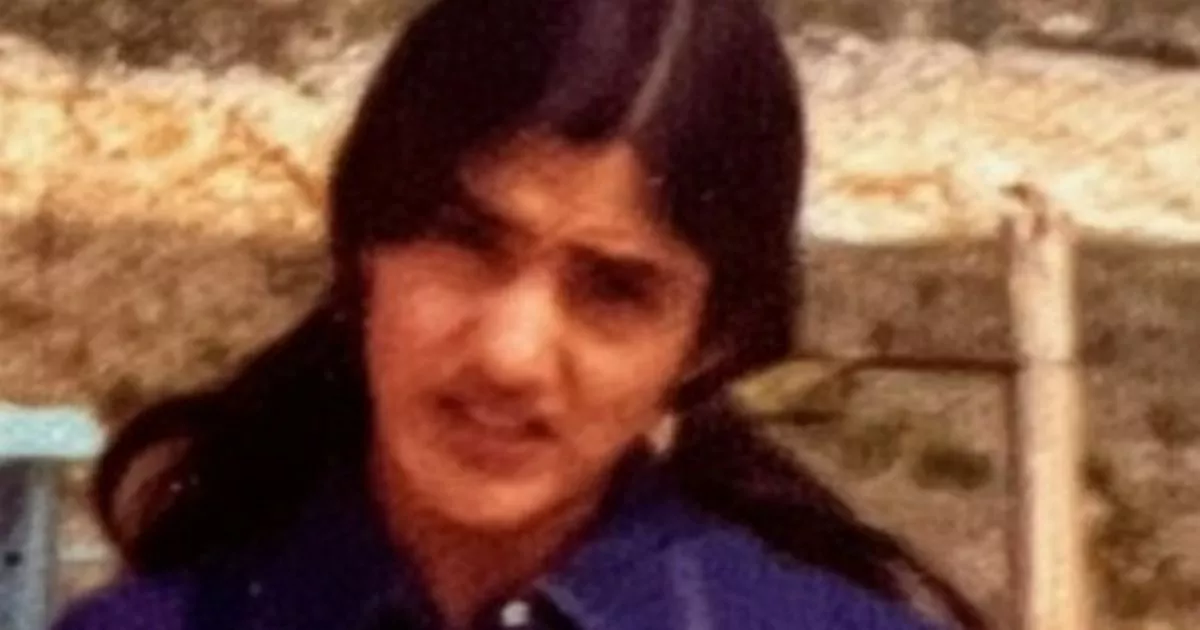
Sarjit Kaur Mann, 20, was last seen alive in Antibes in the South of France in September 1976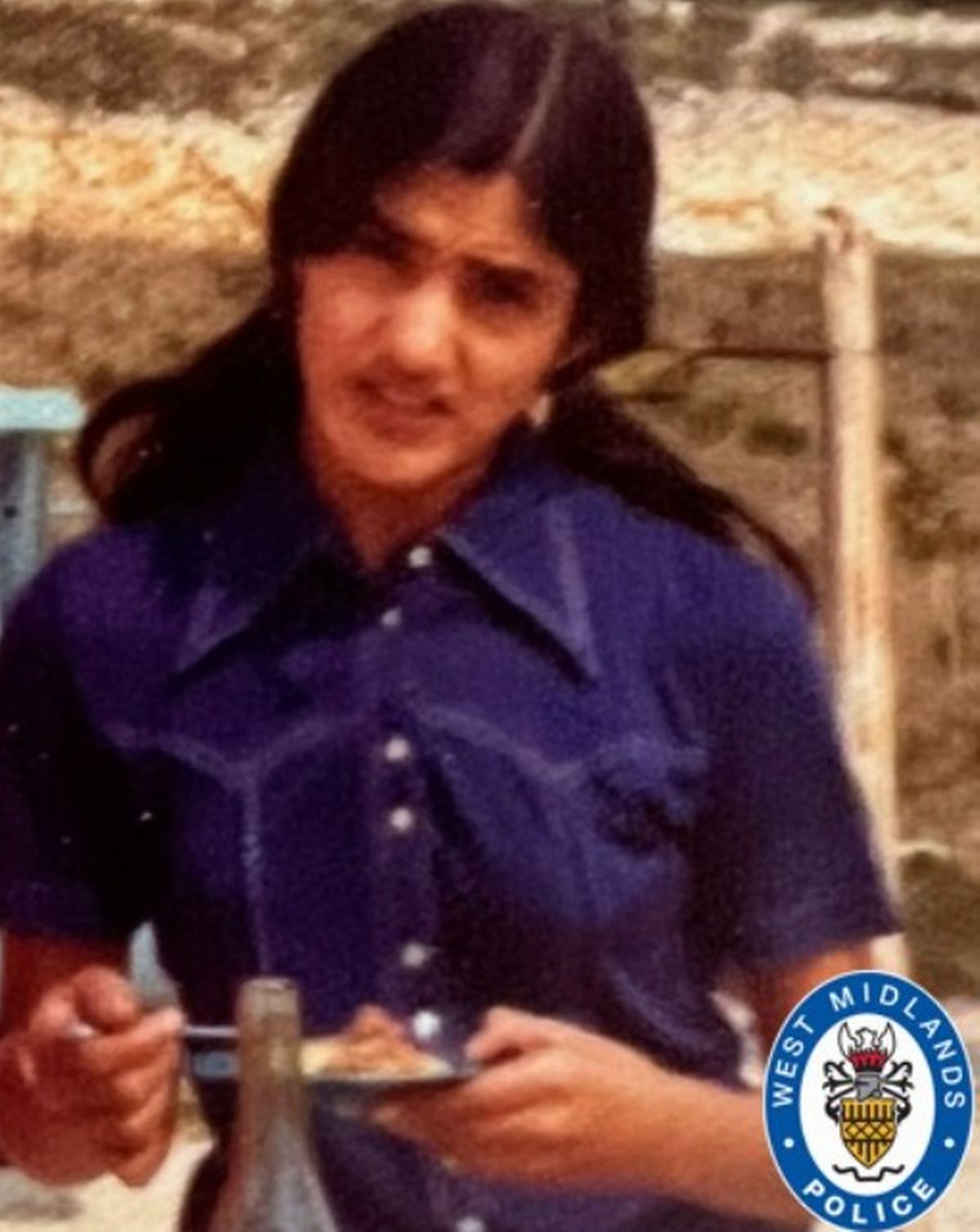
Sarjit Kaur Mann(Image: WMP)
The mysterious case of a missing Birmingham university student has baffled detectives for almost 50 years.
Sarjit Kaur Mann had been on holiday in Antibes in the South of France with relatives when she was last seen alive in late September 1976.
The 20-year-old had asked to stay in France for a while with some people she had met as she wanted to stay in the region and visit some local museums.
READ MORE: Ex-women’s football manager banned for 12 years over ‘overt sexual behaviour’ against players
READ MORE: Little girl with stage four cancer targets unusual record – with 8,000 birthday cards
READ MORE: Family of much-loved crash victim finally win memorial bid
Although her family returned to the UK, Sarjit was never seen again. The women Sarjit met were described as white and in their late teens or early 20s, with one of the women calling herself ‘Jane’, West Midlands Police said.
All three women were British and had met Sarjit while on the beach in Antibes.
A few days later, Sarjit’s family received a phone call in which “Jane” said “Sarjit drowned – We are sorry, we couldn’t do anything”. The call then suddenly ended.
The caller has never been identified and Sarjit’s body was never recovered.
PC Shaun Reeve from the Missing Person Investigation Unit at West Midlands Police said: “Sarjit was 20 when she went missing and was a student at Birmingham University.
“We are keeping an open mind in regards to what happened to Sarjit, and we believe someone must know something.
“Despite the vague descriptions and time lapse, we are hoping somebody remembers this encounter with Sarjit who would be around 70 years old now.
“West Midlands Police would like to know the identity of these women who we are hoping can help, or from anybody with vital information.”
Anyone who thinks they can help can call the team directly on 0121 626 7003. The Missing Person Review Team investigates some of the longest-running cases dating back decades.
Since the team was formed two years ago, more than 200 cases have been closed. The team examines the work done at the time to try and identify new lines of enquiry which might not have been available previously