
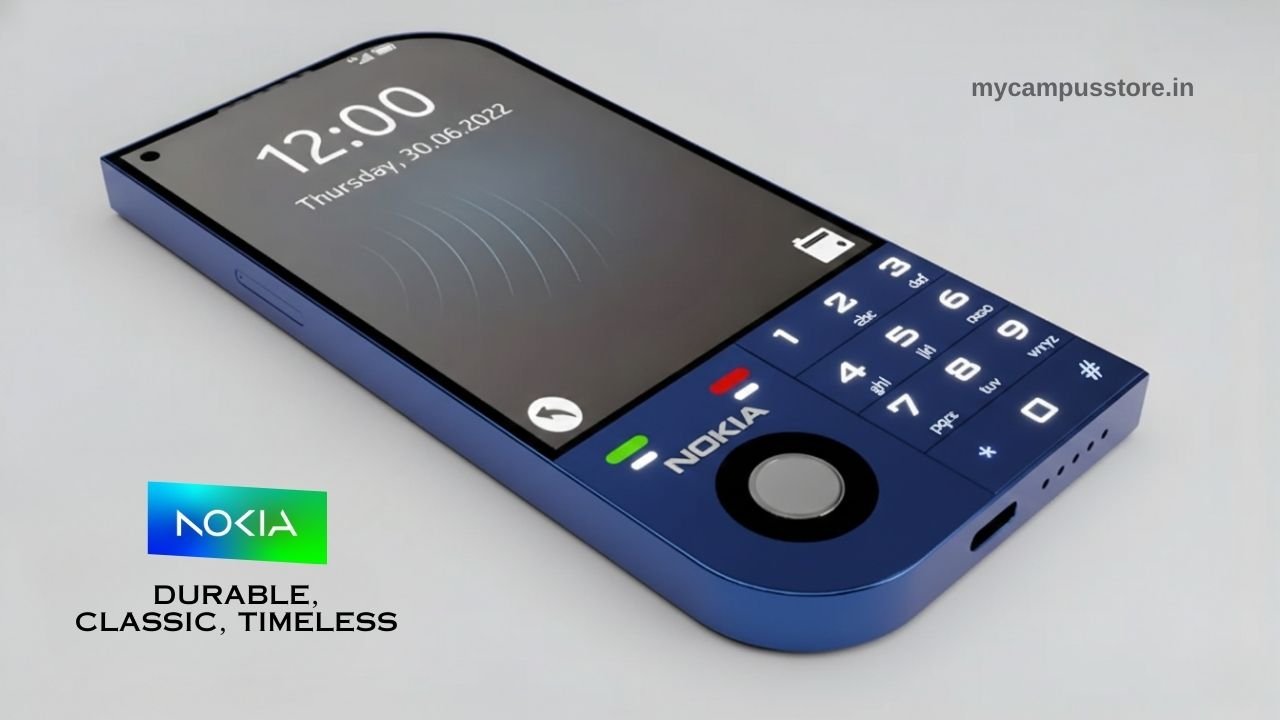
Back in 2004, Nokia launched the 7610, a phone that changed how people saw mobile devices. It wasn’t just a phone—it was a mini-computer in your pocket, thanks to its Symbian OS and a groundbreaking 1MP camera. At ₹15,000, it was a premium gadget for tech enthusiasts exploring MMS messaging, video clips, and early mobile apps. Even today in 2026, collectors and nostalgia lovers celebrate its legacy.
Slider Design Opened New Possibilities
The 7610 measured 109 x 53 x 19mm and weighed 118g, fitting comfortably in small hands. Its slider mechanism revealed a QWERTY keyboard, perfect for thumb-typing emails during long commutes.
The phone came in Ruby Red and Onyx Black finishes, turning heads in college corridors. A mini-SIM slot held cards firmly even during sweaty festivals.
Its 2.1-inch TFT LCD displayed 176 x 208 pixels at 130ppi, letting users browse websites and view contacts in full color. An RS-MMC slot supported 64MB cards for MP3s or ringtones, while 1MB internal storage held up to 250 contacts with photo caller ID.
Though it lacked 3G, tri-band GSM 900/1800/1900 ensured calls worked even in rural areas. Nokia’s slider design transformed basic calling into early mobile computing, giving users a taste of the future before smartphones became mainstream.
FeatureSpecificationDimensions109 x 53 x 19 mmWeight118 gDisplay2.1-inch TFT LCD, 176×208 pixels, 130ppiStorage1MB internal, RS-MMC slot up to 64MBConnectivityTri-band GSM 900/1800/1900ColorsRuby Red, Onyx Black

1MP Camera: Pioneering Mobile Photography
The Nokia 7610’s VGA 1MP camera with 4x digital zoom captured daylight portraits and 10-minute video clips in 640×480 resolution—years before YouTube arrived in India.
An LED flash brightened dim birthday cakes, while a self-timer helped group photos. Movie Director mode allowed date stamps and custom titles, and the built-in picture editor cropped photos for perfect cards.
Although there was no autofocus, landscape and portrait modes worked well, and white balance presets ensured skin tones looked natural. MMS compression shrank 300KB photos to 40KB, letting users share memories instantly—a precursor to Instagram Stories by nearly ten years.
Camera FeatureDetailsSensor1MP VGAZoom4x digitalVideo640×480, 10 min clipsFlashLEDModesLandscape, Portrait, Self-timer, Movie DirectorBattery That Lasted Days
Equipped with a 900mAh BL-5C Li-Ion battery, the 7610 delivered up to 250 hours standby or 3 hours talk time. Single charges powered users through full-day college fests.
The removable battery was easy to swap during trips, and the Pop-Port charger worked with everything from car cigarette lighters to hostel generators. Vibration alerts were strong enough to feel in jeans, and 39 polyphonic ringtones cut through noisy crowds. A built-in torch doubled as an emergency light during blackouts.
Nokia engineered a battery marathon that made daily charging optional, a luxury in an era when phones died by noon.

Legendary Durability
The 7610 built a cult following thanks to stories of extreme durability. Phones survived washing machines, terrace falls, and Holi color floods, with motherboards humming perfectly while the plastic casing cracked.
Engineering students ran custom firmware for DivX playback and early VoIP calls years before apps like WhatsApp. Repair shops replaced sliders for ₹200, compared to ₹20,000 modern screen replacements.
Workers overseas relied on the 7610 to stay connected, while second-hand markets thrived with pristine Ruby Red models selling for ₹5,000 or more. It became less a phone and more a computing companion linking generations through real-life moments.
Accessibility and Ownership
Priced at ₹15,000, the 7610 was premium yet attainable. Parts remained available decades later: batteries for ₹300, keypads for ₹150, and full rebuilds for ₹800. Resale retained around 65% value, making the phone a hand-me-down digital heirloom.
Unlike Sony Ericsson’s flashy cameras or Motorola’s thin Razr, the 7610 offered practical computing depth. Repairmen often say: “A Nokia 7610 never truly dies.” Its expandable memory and sturdy design proved more valuable than disposable trends.

Nostalgia and Modern Influence
In 2026, concept models combine the 7610’s classic slider with modern hardware—AMOLED displays, USB-C ports, and even 108MP cameras. YouTube creators show Symbian hacks running WhatsApp Lite and other apps.
The revival of feature phones taps into digital detox trends, with tactile keyboards satisfying users even in an era of touchscreens. Originals fetch ₹8,000 or more, while modders enhance functionality while preserving the phone’s charm. The 7610 proves that minimalism can outlast maximalist trends.
Why Nokia 7610 Remains Legendary
Nokia 7610 delivered what smartphones do today: computing, communication, and photography—all in a compact slider. Its Symbian OS multitasking, durable battery, and sturdy design defined reliability for India’s first mobile pioneers.
Whether hunting original units on OLX or admiring modern homages, the 7610 shows that true innovation inspires generations long after launch.