
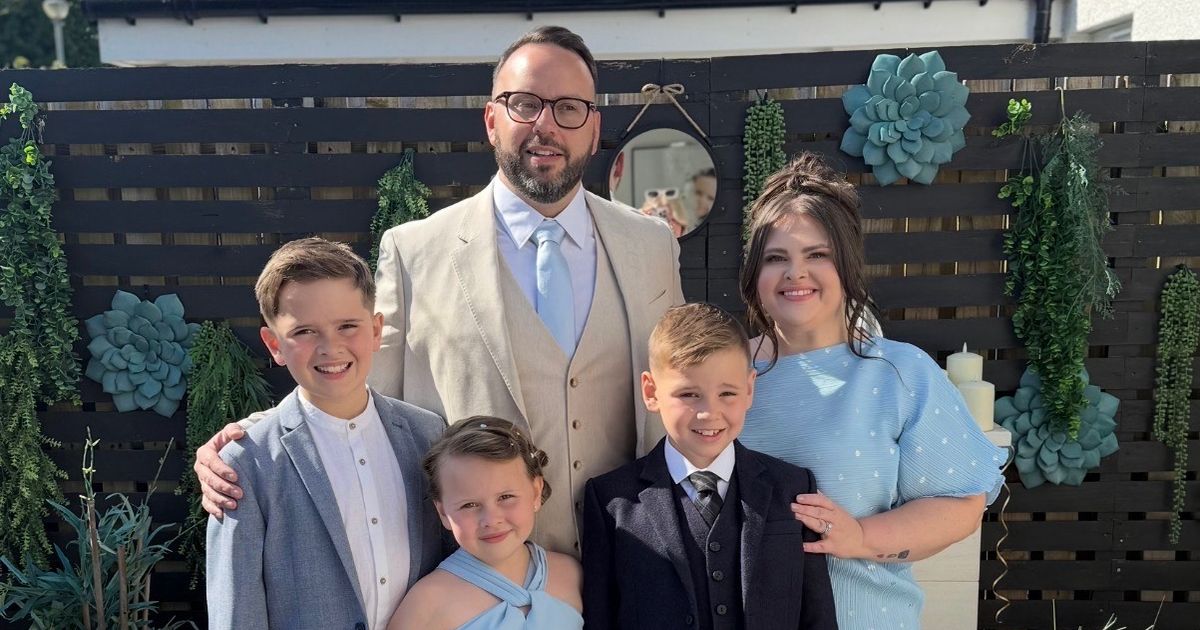
Kevin McMillan, who has worked for the popular Donald Butchers for 22 years, attributed his cramping hands and fatigue to ageing and the demanding hours he works.
15:00, 19 Jan 2026Updated 15:03, 19 Jan 2026
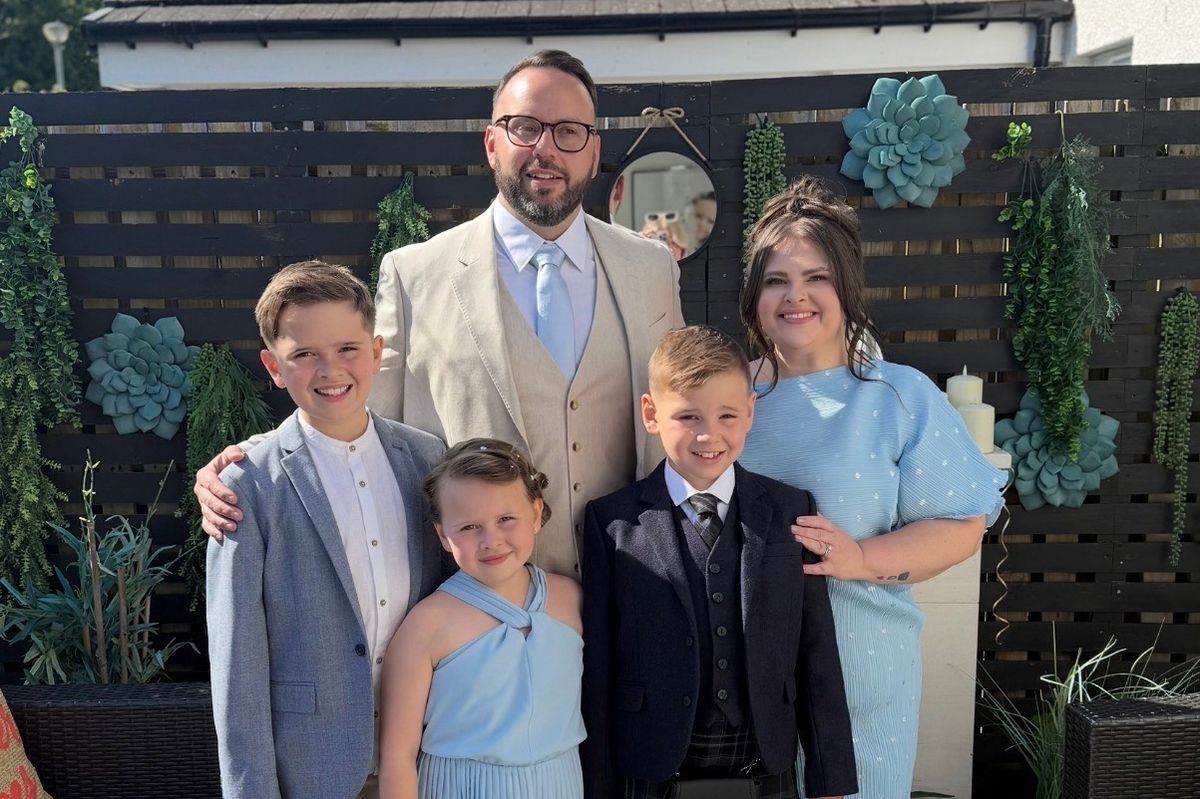
Kevin with sons, Brady, 11, Archer, 8, daughter, Noa, 7 and wife Danielle(Image: )
A dad behind one of Glasgow’s most popular butchers has told how he fears for the health of his three kids after he was diagnosed with a rare genetic disorder.
Kevin McMillan, who has worked for Donald Butchers, which has branches in Hyndland and Uddingston, for 22 years, attributed his cramping hands and fatigue to ageing and the demanding hours he works. That was until his uncle got in touch last year to tell him to get tested for a rare type of muscle-wasting disorder called Myotonic Dystrophy.
We previously told how Newton Mearns mum Carole McMillan, 65, had her world turned upside down when her son Ross, 26, and husband David (Kevin’s uncle) were diagnosed with the condition. Due to their diagnosis, 39-year-old company director Kevin and fellow family members were advised to get tested for the condition, which includes symptoms getting 50 per cent worse with each generation.
“It was a shock,” said Kevin. “You always think these things won’t happen to you.
“It was 50/50 originally on which side of the family it had come from. Once we found out it came from mine and David’s side I knew I had it.
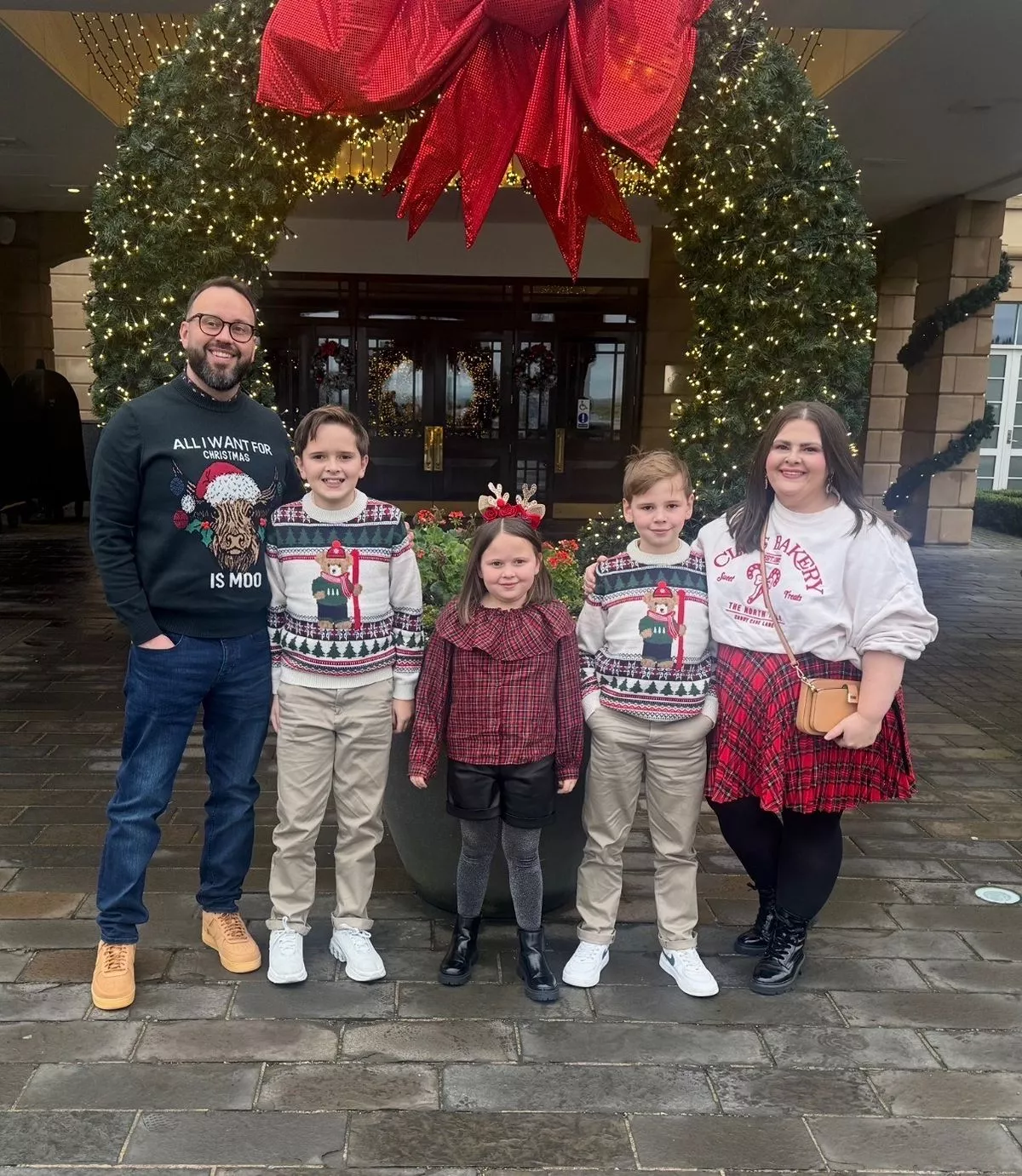
Kevin was daignosed with the rare condition after being warned by family(Image: )
“My dad passed a few years ago, so it fell to me and my sister Laura to get tested. Fortunately, Laura’s test came back negative.
“I was not so lucky.”
Myotonic Dystrophy Type 1 (DM1) is a rare genetic condition that affects muscles and other vital systems of the body, including the heart and lungs, and is characterised by progressive muscle weakness and wasting. The condition is typically inherited from parents and is caused by a genetic mutation.
According to the NHS: “Some parents or grandparents may have carried a very slight genetic change that never caused any symptoms or that wasn’t ever diagnosed. Normally, careful and thorough study of the whole family will often show more members with the condition.
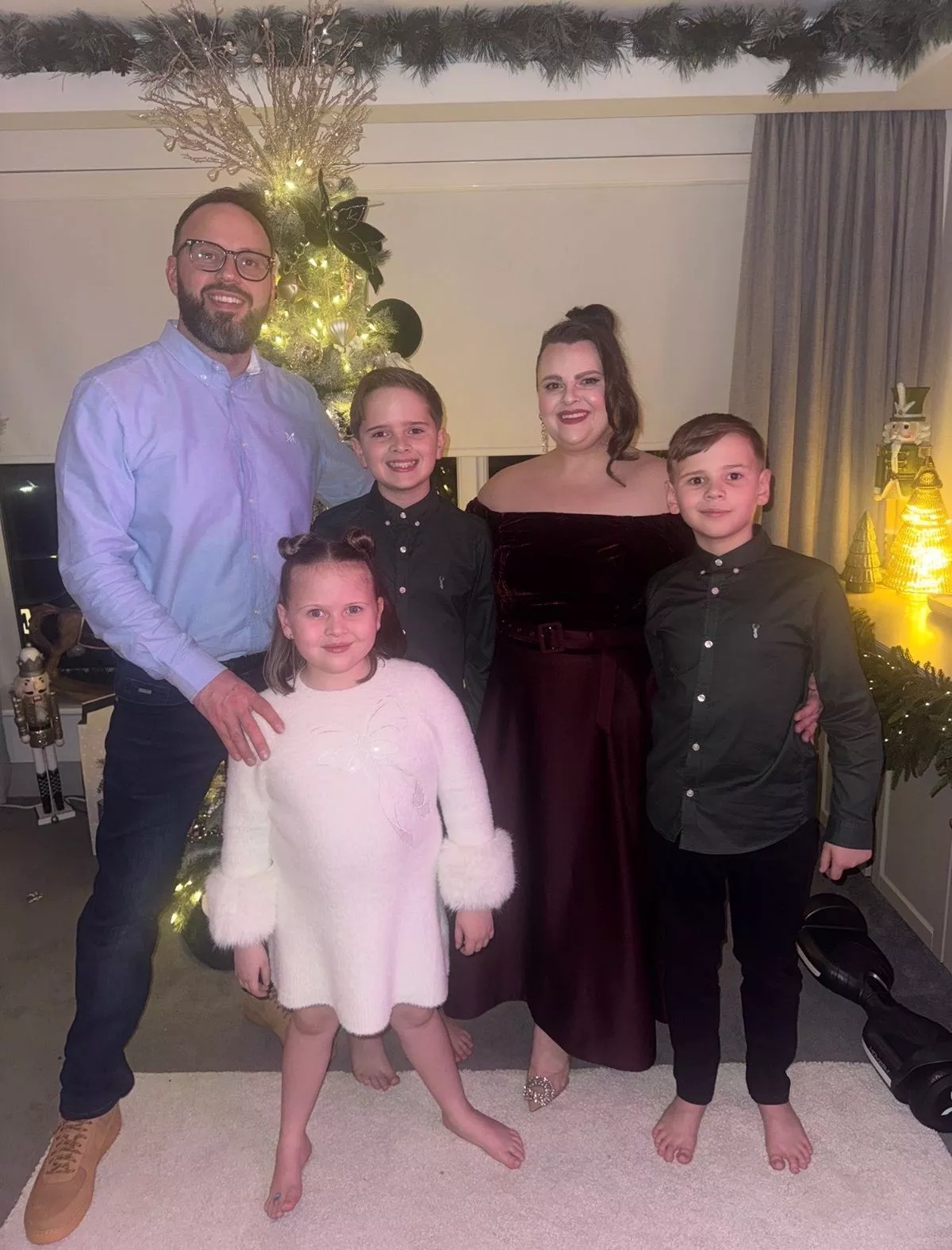
Kevin wants to raise awareness of the condition (Image: )
“This means, if you have a child with an unaffected partner, there’s still a one in 2 chance your child will develop the condition. Very few cases of myotonic dystrophy occur with no family history of the condition.”
Kevin continued: “My symptoms are considered mild. Most of them i just accepted as part of life and didn’t think much of it.
“The worst one is the daytime sleepiness and fatigue. I can sit down anywhere and fall asleep, but I thought that was due to the hours I work and the nature of my job.
“I get cramps in my hands, I have a Cataract, stomach issues and some male pattern baldness, but I just put them down to getting old.”
While Kevin’s sister came back negative, he believes that the disorder may have been behind the death of his dad who passed from a heart attack – one of the leading causes of deaths from DM1. The dad and mum, Danielle, are now worried for their sons, Brady, 11, and Archer, 8, and daughter, Noa, 7.
Kevin continued: “The condition is inherited and means that our three beautiful, clever, amazing children have a 50% chance of inheriting this too. The most upsetting thing for us is our children’s future.
“We won’t know until they show symptoms or are old enough to be tested. It’s scary because it can get 50% worse in each generation, with the possibility of earlier onset of symptoms. While I have the mild form, our children may have the “classic” form, which is more severe and limiting. We just don’t know what the future holds for them. We’re dealing with a lot of uncertainty.”
The couple are now hoping to raise funds for Professor Dr Bob Ballantyne’s world-leading research into the condition at the University of Glasgow. It is understood that new treatments for the condition are currently undergoing clinical trials, and a cure could be found within the next three decades.
Find out more about the fundraising here.