
ONGOING UNREST: General secretary Fran Heathcote, right, led the way during a campaign for better pay and conditions back in 2023 (Image: Mark Kerrison/Getty)
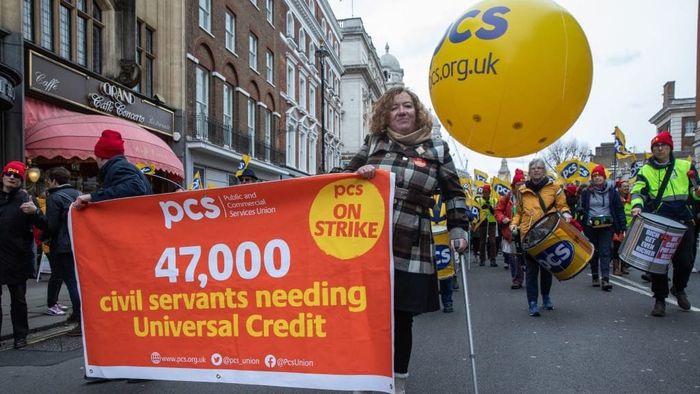
A massive wave of industrial unrest could soon hit the Department for Work and Pensions as 50,000 staff members begin voting on strike action today. The Public and Commercial Services (PCS) union confirmed the statutory ballot is now open, with results expected to determine the future of welfare services across the country.
This high-stakes vote is scheduled to run until February 23 and involves personnel from a wide array of essential front-line roles. Staff across Universal Credit service centres, Jobcentres, and pension offices are among those deciding whether to walk out over an ongoing salary dispute.
The union has highlighted a growing recruitment crisis, noting that roughly 25,000 DWP employees are currently stuck on the lowest possible pay grades. From April, these workers will see their earnings matched only to the national living wage, a situation the PCS describes as ‘unsustainable’ for skilled civil servants.
MORE DWP NEWS
According to Neil Shaw on Devon Live, union leaders have expressed the desperation of their members, citing rising debt and declining mental health as primary drivers for the potential walkouts. PCS general secretary Fran Heathcote said: “Strike action is always the last resort. Our members want to work. They are proud of the job they do in DWP because they know it’s of great value to society, but this level of poverty pay is not sustainable.
“Members across the department have told us that they are struggling financially as debt spirals, and as workplace stress increases, people’s mental health further deteriorates.” She further emphasised that, while the welfare state relies on the commitment of these workers, they remain among the most underpaid professionals in the entire civil service.

A DWP spokesperson responded to the ballot by defending the department’s current financial offer and its focus on recruitment. They said: “We are committed to ensuring competitive pay for all employees, and we have listened to feedback from trade unions, which helped influence the final offer and considered the upcoming national living wage increase. The current pay award reflects our ongoing efforts to balance various priorities and meet our staffing needs.”
The outcome of this industrial action could lead to significant wait times for those accessing vital financial support. If the strike goes ahead, claimants of Personal Independence Payments (PIP) and Universal Credit may face considerable hurdles in receiving their regular payments or getting assistance at local centres.
READ NEXT