
Your support helps us to tell the story
From reproductive rights to climate change to Big Tech, The Independent is on the ground when the story is developing. Whether it’s investigating the financials of Elon Musk’s pro-Trump PAC or producing our latest documentary, ‘The A Word’, which shines a light on the American women fighting for reproductive rights, we know how important it is to parse out the facts from the messaging.
At such a critical moment in US history, we need reporters on the ground. Your donation allows us to keep sending journalists to speak to both sides of the story.
The Independent is trusted by Americans across the entire political spectrum. And unlike many other quality news outlets, we choose not to lock Americans out of our reporting and analysis with paywalls. We believe quality journalism should be available to everyone, paid for by those who can afford it.
Your support makes all the difference.Read more
With the rise of GLP-1 medications making smaller appetites the norm, restaurants across the country are taking note.
Numerous national chains are capitalizing on the current health and wellness trend by redesigning their menus to offer customers taking these medications scaled-back portions or meals packed with protein.
Smoothie King is among the dining chains that have capitalized on the increased use of GLP-1s, like Ozempic, Zepbound and Wegovy. The drugs, once just used to treat diabetes, have become popular weight-loss tools as they suppress appetite and slow digestion, helping many people lose stubborn weight.
In 2024, Smoothie King introduced its GLP-1 menu featuring smoothies with added protein and fiber, and with zero grams of added sugar, starting a trend amongst other popular restaurant chains, NBC News reported.
Other chains that have started to promote more GLP-1 friendly options include Olive Garden, Shake Shack, Subway and Chipotle, though more will likely follow suit.
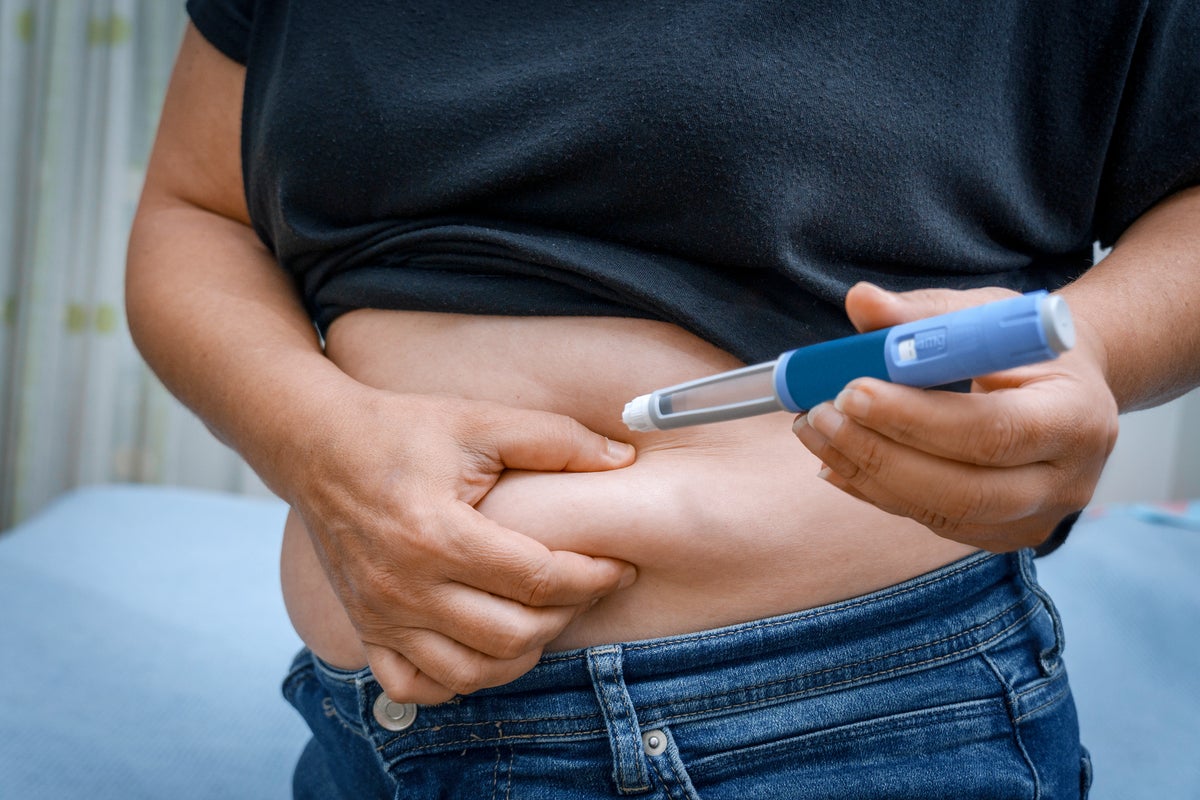
open image in gallery
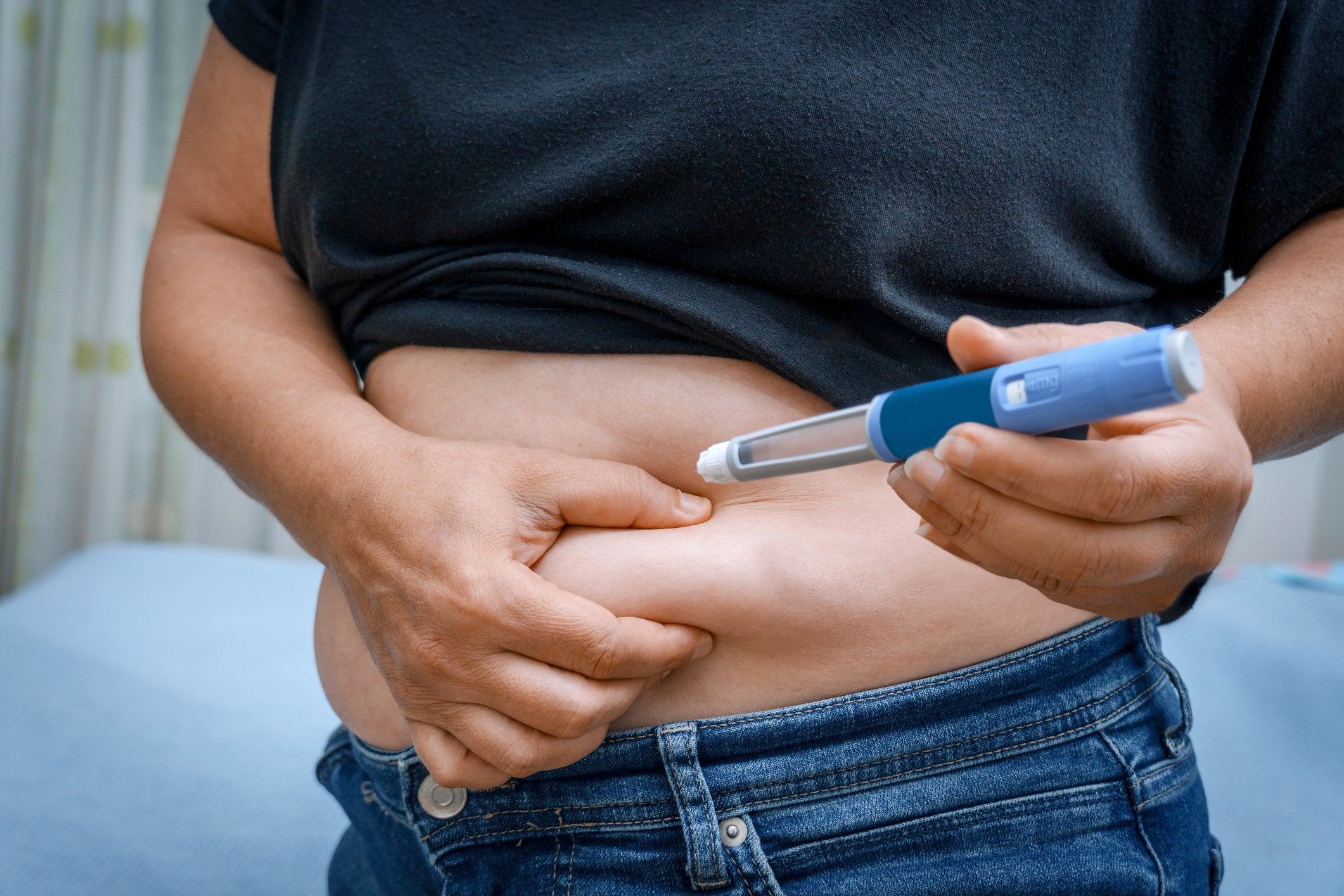
With more and more people in the U.S. taking weight loss medications like Ozempic, many restaurant chains have introduced smaller portioned meals or meals with added protein, as a way to cater to GLP-1 users (Getty/iStock)
GLP-1 drugs have been on the rise since the Food and Drug Administration began approving them as weight loss medications. A November poll from the Kaiser Family Foundation found that 12 percent of Americans reported taking a GLP-1 drug, double the amount compared to last May.
With more and more Americans using weight loss medications, many restaurants are looking to adapt, providing more options with higher protein and fiber — two things people on GLP-1s are recommended to eat more of.
Olive Garden announced in December that it was adding a “lighter portion” section to its menu, offering smaller — and more affordable — entree portions.
Ricardo Cardenas, the CEO of Darden Restaurants Inc., which owns Olive Garden, said during a December earnings call that the new low-calorie section of the menu “is designed to give guests more choices.”
The change “just so happens to benefit the consumers that might want smaller portions that are on GLP-1 medications,” Cardenas told NBC.
open image in gallery
Olive Garden added a “lighter portion” section to its menu, offering smaller and more affordable entrees, last year (Getty)
open image in gallery
Chipotle also has introduced a high-protein menu, that includes a “High Protein Cup” (Getty)
At Chipotle, the popular fast-casual Mexican chain, customers can now buy off a high-protein menu, which includes a serving of cubed chicken with 32 grams of protein.
Chris Brandt, Chipotle’s president and chief brand officer, told NBC that their new “High Protein Cup” was a result of “growing demand for protein-forward options across more occasions, especially snack-sized portions at accessible prices.”
Brandt said viral trends of customers sharing “hacks” on how to order to get more protein inspired the menu change.
Without mentioning GLP-1s, Brandt said the company was looking to better cater “a clear shift toward diets rich in protein and fiber, and for some guests, smaller portions throughout the day.”
Subway has added “Protein Pockets,” or small snack wraps loaded with over 20 grams of protein, to its menu. Shake Shack has also introduced a “Good Fit Menu,” which offers versions of the burger chain’s offerings with lettuce wraps instead of buns.
The menu change came to be because “many of our guests are increasingly looking for more flexibility in how they enjoy their favorite restaurants,” the chain’s chief communications officer, Luke DeRouen, told NBC.
While many of these chains made the changes without GLP-1 users in mind, Smoothie King has proudly boasted their GLP-1 friendly menu changes.
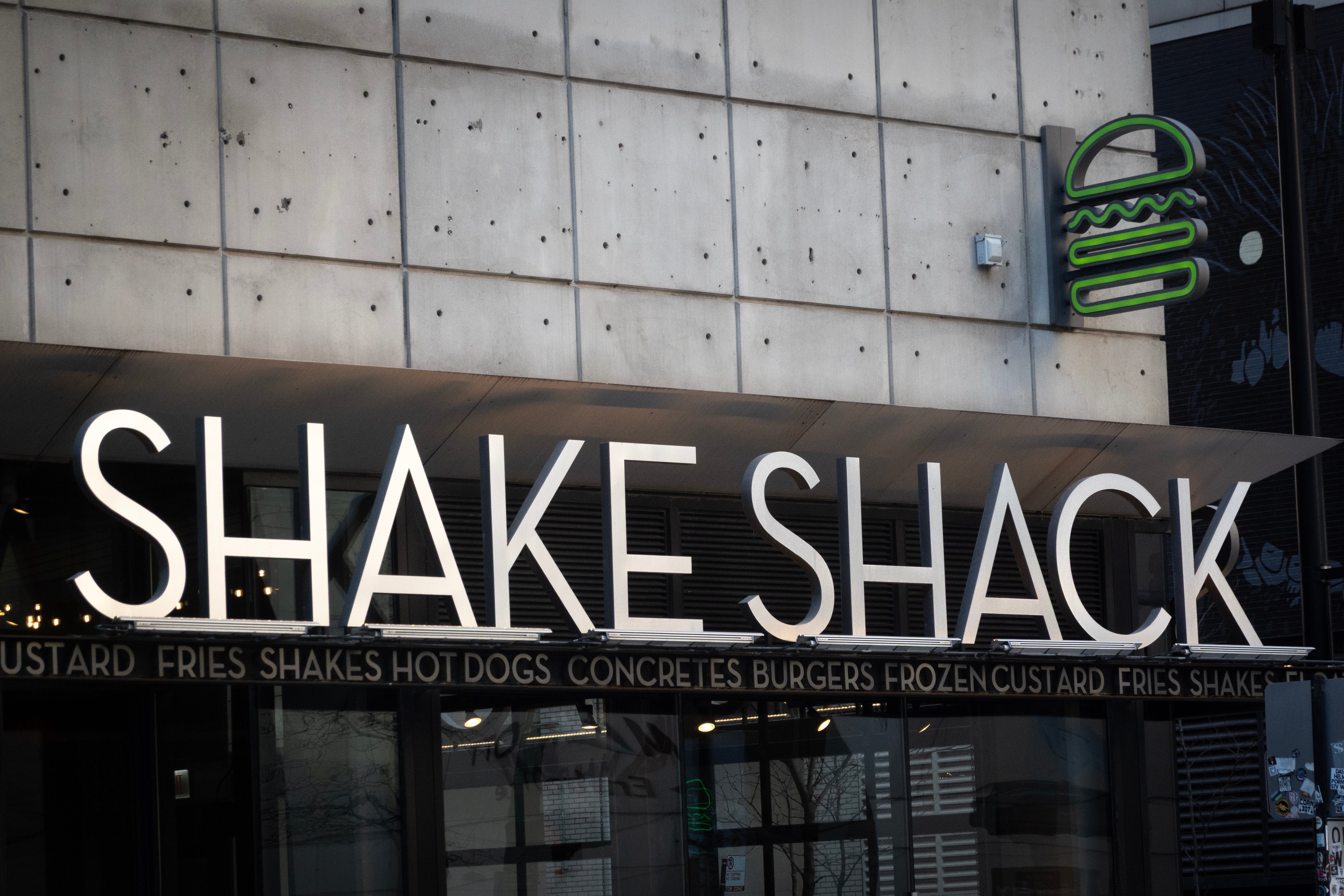
open image in gallery
Shake Shack has a “Good Fit Menu” that offers lettuce wrapped versions of the chain’s signature burgers, minus the buns (Getty)
“As GLP-1 usage has become more common, Smoothie King also saw a growing population trying to navigate appetite changes while still getting enough nutrients,” the company said in a January news release. “In response, the brand developed a GLP-1 Support Menu — created with a registered dietitian — designed to make it easier for guests to stay nourished with options that are high in protein and fiber and contain zero grams of added sugar.”
America’s current protein obsession doesn’t stop at GLP-1 users.
Earlier this month, the Trump administration announced a new set of dietary guidelines for Americans that prioritizes protein and encourages consuming less sugar and processed foods.
A noteworthy change to the dietary guidelines is the amount of protein Americans are recommended to eat each day.
Previously, it was recommended that Americans consume 0.8 grams of protein per kilogram of body weight. Now, health officials say 1.2 to 1.6 grams of protein per kilogram of body weight should be consumed to achieve optimal health.
The country’s dietary guidelines are required by law to be updated every five years, even though research shows few Americans actually follow its recommendations.