
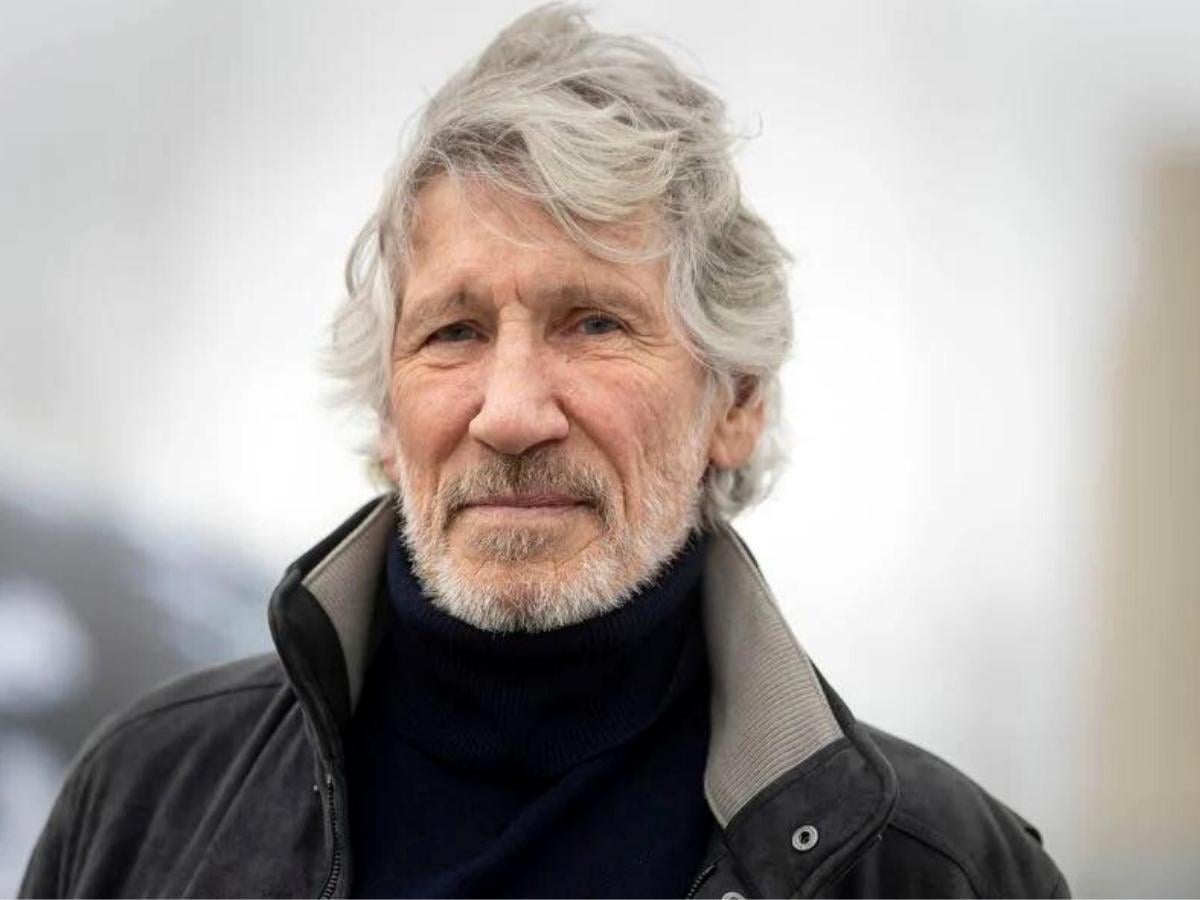
(Credit: Alamy)
Mon 19 January 2026 16:45, UK
The rock and roll world that Roger Waters was brought up in wasn’t about trying to make a simple party tune.
The psychedelic movement had already begun to push the boundaries of what rock and roll could sound like, and even when Syd Barrett had to leave Pink Floyd, Waters wanted to make sure that he did everything in his power to get a message through whenever he made a new record. It may have been at the expense of the rest of his bandmates more than a few times, but that all came from him following in the footsteps of the innovators that he grew up on.
Because when listening to Pink Floyd’s music, you aren’t going to hear traditional rock and roll tunes. It may have been a hard sell for the casual rock fan to pick up an album like Animals with multiple different movements over the course of a single song, but Waters wasn’t in the singles market. Their track record for catchy tunes wasn’t great, so the least they could do was expand their songs to make people think a little bit more.
That didn’t even mean writing too many words, either. Whereas someone like Bob Dylan could write mile-long tunes that had 20 different verses between them, Waters was more interested in telling a story through music. ‘Echoes’ only has a few stanzas, but that means that every single line has to hit hard so that the musical sections end up meaning a lot more when they eventually unfold.
But telling a story with sound wasn’t anything new at that point. ‘Strawberry Fields Forever’ introduced The Beatles to the psychedelic scene, but even if John Lennon’s lyrics are beautiful, it wasn’t about the words on the page. The whole track sounded like falling down the rabbit hole in Alice in Wonderland, but the Fab Four weren’t alone in bringing wild sounds to the table whenever they walked into the studio.
The Rolling Stones had followed in their footsteps, making strange detours in rock and roll, and even the later versions of The Yardbirds with Jimmy Page served up riffs that were dipped in acid, but Eric Clapton was looking beyond rock by the time he formed Cream. Jack Bruce and Ginger Baker were the best bandmates he could have asked for, and Waters was spellbound the minute that he heard what they could do.
These were the best musicians around, staking their claim as cultural icons, and Waters thought that meant as much as anything the Fab Four did, saying, “They affected so many people. Jimmy Page must have looked at Cream and thought, ‘Fuck me, I think I’ll do that,’ and then put together Led Zeppelin. Along with the Beatles, they gave those of us entering the business at that time something to aspire to that wasn’t pop but was still popular.”
Even with all that influence, though, you weren’t going to hear too much of it in Pink Floyd’s music. With all due respect, Waters was no Jack Bruce behind the four-string, but if they were able to melt people’s brains every single time they played their jams on tunes like ‘Crossroads’, Waters wanted to do the same thing by setting up a scene in the people’s minds, whether it was the massive soundscapes on ‘Shine on You Crazy Diamond’ or the storyline behind The Wall.
What Waters did for Floyd was its own unique beast compared to Cream, but that was really all that mattered. Both Cream and The Beatles had encouraged people to think outside the box, and when they bowed out at the end of the 1960s, they remained one of the greatest creative partnerships that anyone had ever seen.
Related Topics
The Far Out Beatles Newsletter
All the latest stories about The Beatles from the independent voice of culture.
Straight to your inbox.