

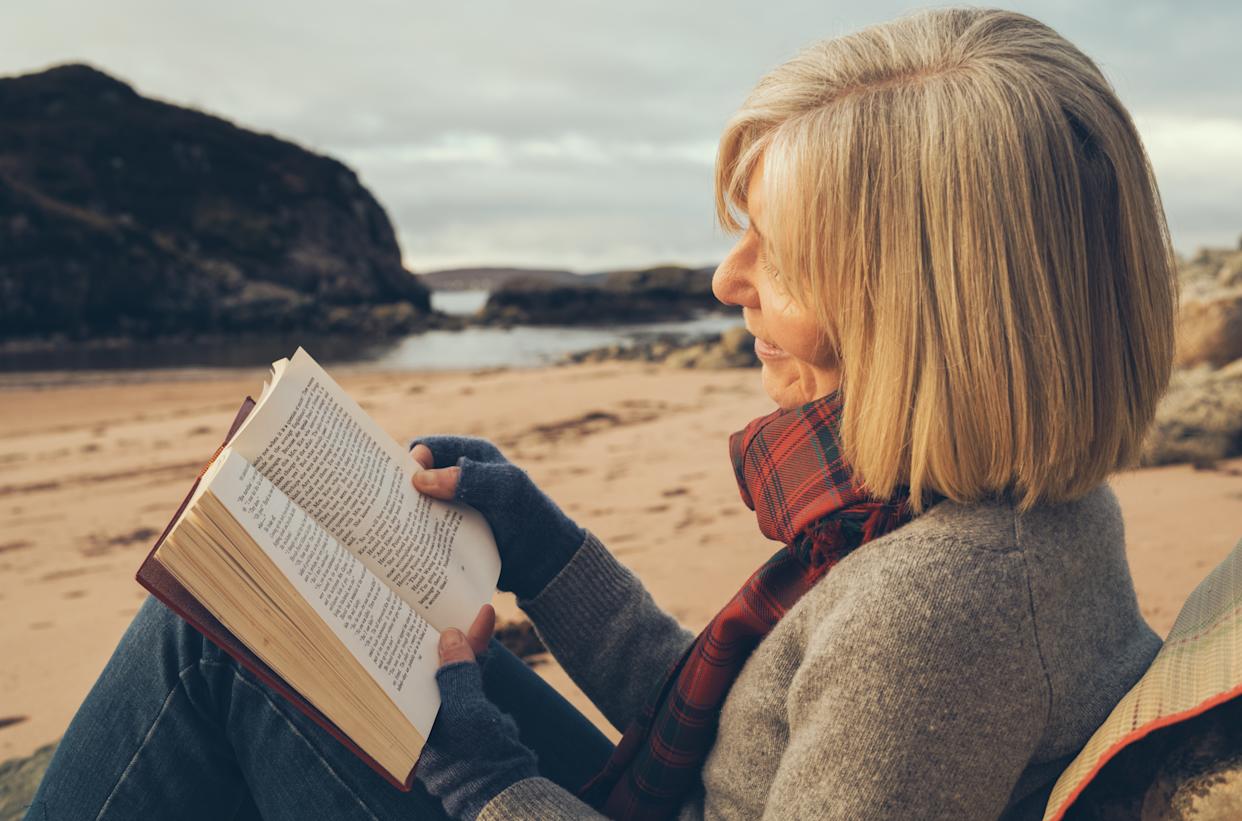
Experts say that inexpensive tweaks, like eating well, starting a book club and making time for friends, can influence our chances of ageing well. (Getty Images)
(Peter Burnett via Getty Images)
The secrets of living a long and disease-free life have long been a source of fascination for researchers.
From the daily habits of the communities that inhabit the planet’s ‘Blue Zones’ – countries and regions with a higher concentration of people aged over 100 – to centenarians that swear by quirky rituals like glugging a daily glass of red wine, our collective interest in ageing shows no signs of slowing down.
“These days, people are interested not just in making it to the age of 100, though,” says Professor Ilaria Bellantuono, co-director of The Healthy Lifespan Institute at The University of Sheffield, “but in reaching those later years feeling physically and mentally fit and healthy.”
While there are plenty of expensive supplements and spa treatments that promise to boost lifespan, Bellantuono says that when it comes to longevity, it’s the cheap and often free habits that have the most scientific weight behind them.
And despite much of ageing being down to our individual genetics, the professor, who has spent more than two decades researching longevity, says there are things we can all do to increase our chances of living a longer life.
Below, she shares the key lifestyle changes she recommends, along with dietary advice from leading gut health researcher Dr Megan Rossi, founder of The Gut Health Doctor.
1. Volunteer locally
Research shows that people who have a clear reason to get out of bed in the morning tend to live longer, happier lives. A 2019 study found that among a group of nearly 7,000 adults over the age of 50, those who scored highest on a scale that measured ‘life purpose’ were less likely to die during the four-year study period.
“If you live a purpose-driven life, it can have lots of knock-on benefits,” says Bellantuono. “You’re more likely to be active because you’re motivated to get up and outside – and that often leads to interactions with other people, and we know that social connection reduces the risk of early death.”
2. Start a book club
According to a recent report from the World Health Organization, loneliness is linked to an estimated 100 deaths every hour. Despite this, one in six people worldwide continues to be affected by the issue, which can have significant effects on our health and wellbeing.
“Rather than the amount of social connections a person has, what seems to matter is how meaningful their relationships are; so how many people they feel completely comfortable with. Because as we know, you can be friends with lots of people but still feel very lonely,” notes Bellantuono.
If you currently don’t feel socially connected, she recommends finding a hobby or volunteer project that you enjoy, as it’s a great way to meet like-minded people and enjoy working on a task together.
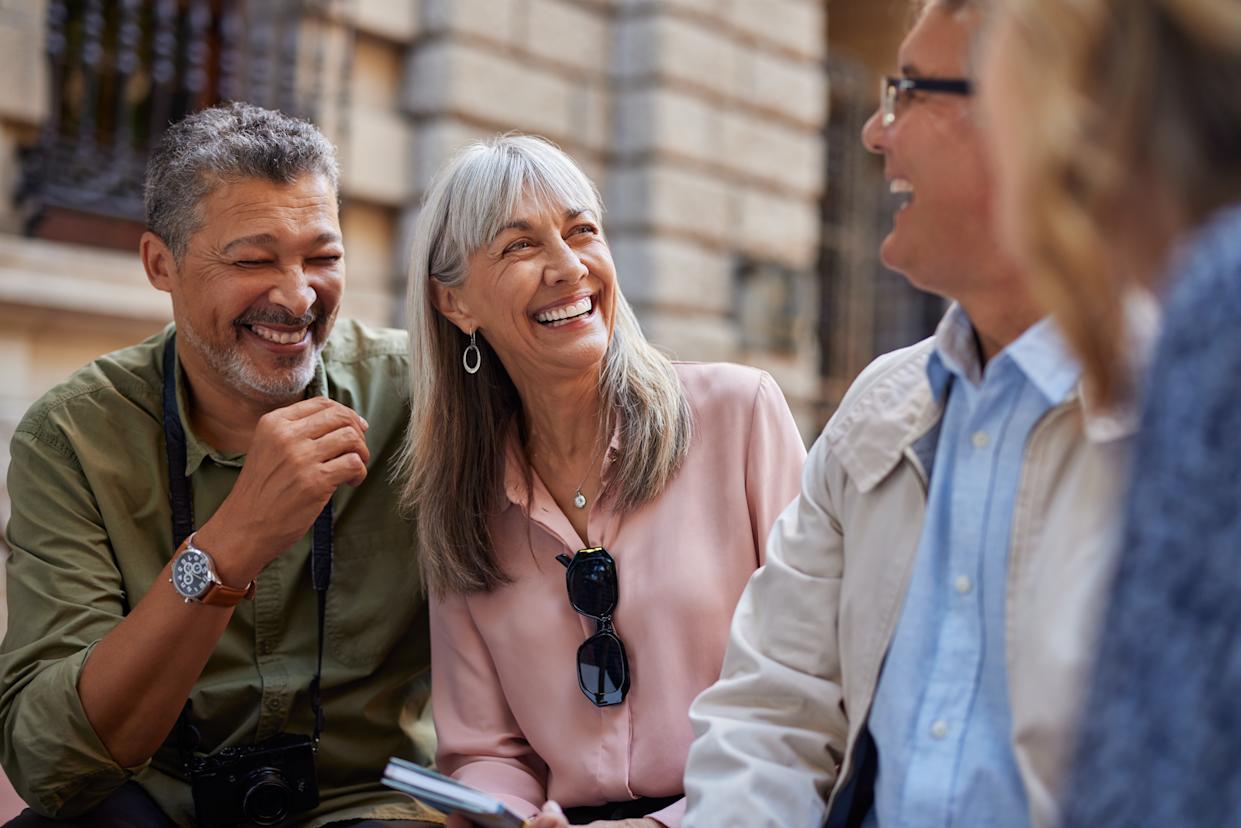
Focusing on strengthening your social connections might help increase your chances of living a longer life. (Getty Images)
(Ridofranz via Getty Images)3. Take up gardening
Physical activity is good for you, but you don’t need to be drilling through endless burpees at the gym to reap the benefits.
Exercise snacks – short bursts of exercise which can be performed several times a day as part of your usual routine – have been found to improve cardiorespiratory fitness, which is linked to a lower risk of heart disease.
In fact, shorter but frequent bursts of less intense exercise, like pottering in the garden, may be better for you than a gym class followed by hours lying on the sofa – as research shows that being sedentary is associated with a higher risk of premature death from any cause.
“Cycle instead of taking the car, choose the stairs instead of the lift or make a conscious effort to pick up the pace to a brisk walk when you’re out shopping,” advises Bellantuono. “All of this contributes to your 150 minutes of NHS-recommended moderate exercise per week.”
4. Swap ‘five-a-day’ for the ‘super six’
We’ve all heard the nutrition advice that we should be eating five portions of fruit and vegetables a day, but leading gut health researcher Dr Megan Rossi says this public health recommendation overlooks the plant diversity our guts need to function at their best.
“Instead, aim to eat from across the six different plant groups – what I call the ‘super six’ – daily,” she advises. “These are vegetables, fruits, wholegrains, legumes (beans and pulses), nuts and seeds, plus herbs and spices.
“Researchers at the University of Bergen found that eating across these super six can add up to a decade of healthy years to your life,” she continues. “For example, a young person going from eating no legumes at all to eating 200g per day (the equivalent of a good serving of mixed bean chilli) could expect to live 2.5 years longer than they would have if they didn’t eat legumes.”
Importantly, she adds it’s never too late to feel the benefit. “Even an 80-year-old could gain an estimated 3.4 extra years by making this shift,” she adds.
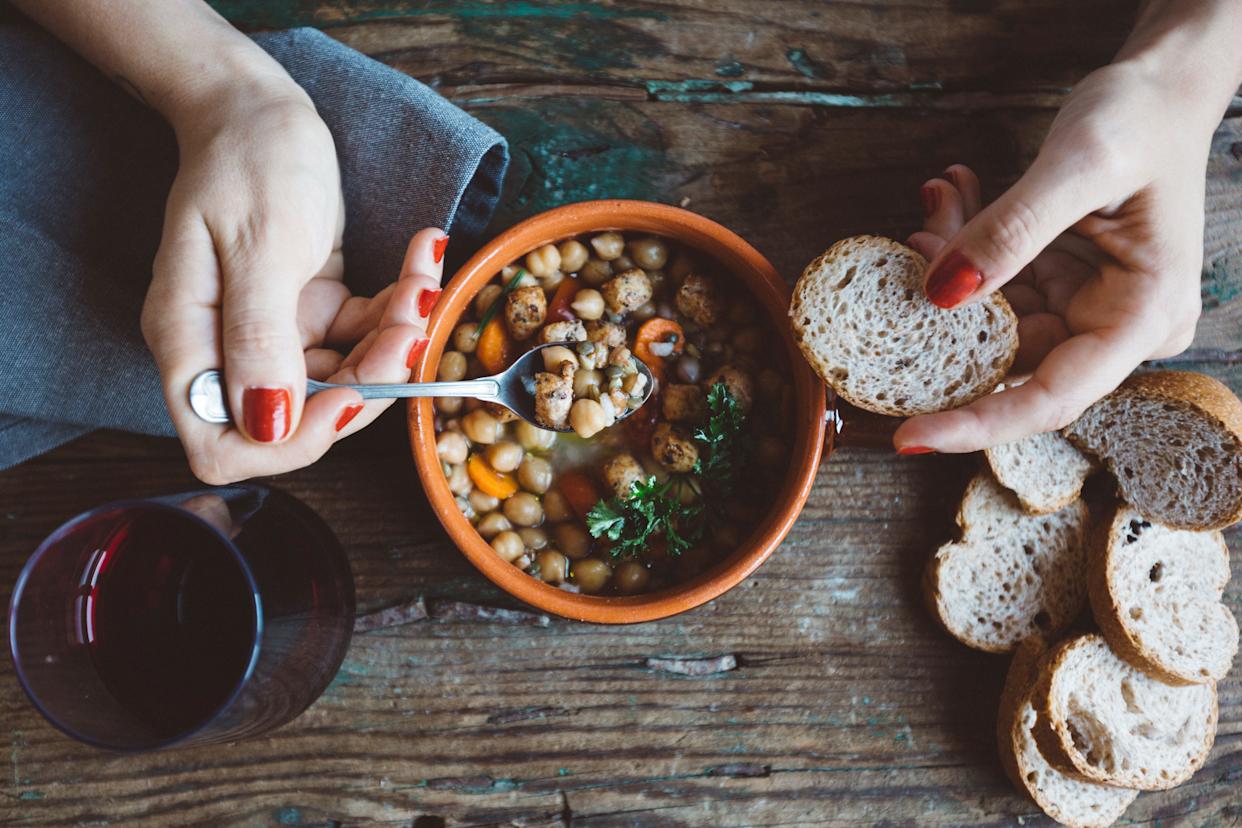
As well as fruits and vegetables, it’s important to add wholegrains and beans to your shopping trolley. (Getty Images)
(Westend61 via Getty Images)5. Trade pints for PBs
There’s a wealth of data to suggest that cigarettes and alcohol have negative affects on our health, but it’s difficult to go cold turkey when your social calendar revolves around the pub.
“Interestingly, a lot of unhealthy habits are structural, rather than entirely personal choices,” says Bellantuono. “The environment around us can really influence our health in the long term. For example, if your friends always meet over a drink, you may consume more weekly units than if you met up for a weekly run.
“So choose your friendships carefully,” she adds. “As they can play a role in what you eat and drink, and how you behave.”