
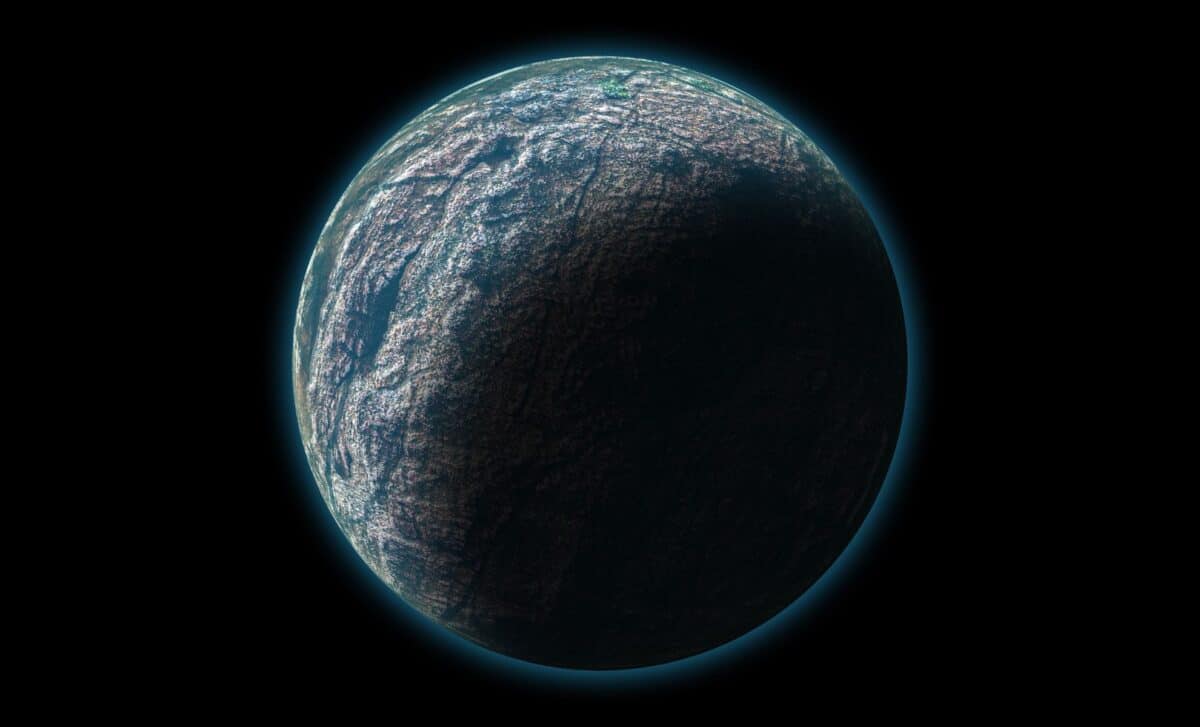
It looks like a sapphire jewel in space, but HD 189733b is anything but serene. With winds reaching seven times the speed of sound and clouds that pour molten glass sideways, this alien world is one of the most hostile environments ever observed.
The planet, located around 64 light-years away in the constellation Vulpecula, first made headlines when NASA’s Spitzer Space Telescope captured its scorching temperatures. Later observations by Hubble revealed a shimmering blue atmosphere, leading some to initially compare it to Earth. That comparison didn’t hold up for long.
First identified in 2005 by a team of French astronomers, HD 189733b quickly caught the interest of scientists due to its extreme proximity to its host star. This close orbit subjects the planet to continuous stellar bombardment, turning its atmosphere into a furnace of volatile activity.
A Blue Planet With No Oceans
Unlike Earth, HD 189733b’s blue hue doesn’t come from water. NASA confirmed that the color is actually the result of a blow-torched atmosphere containing silicate-rich clouds, not oceanic reflection. These high clouds scatter blue light in the same way Earth’s sky does, but the resemblance ends there.
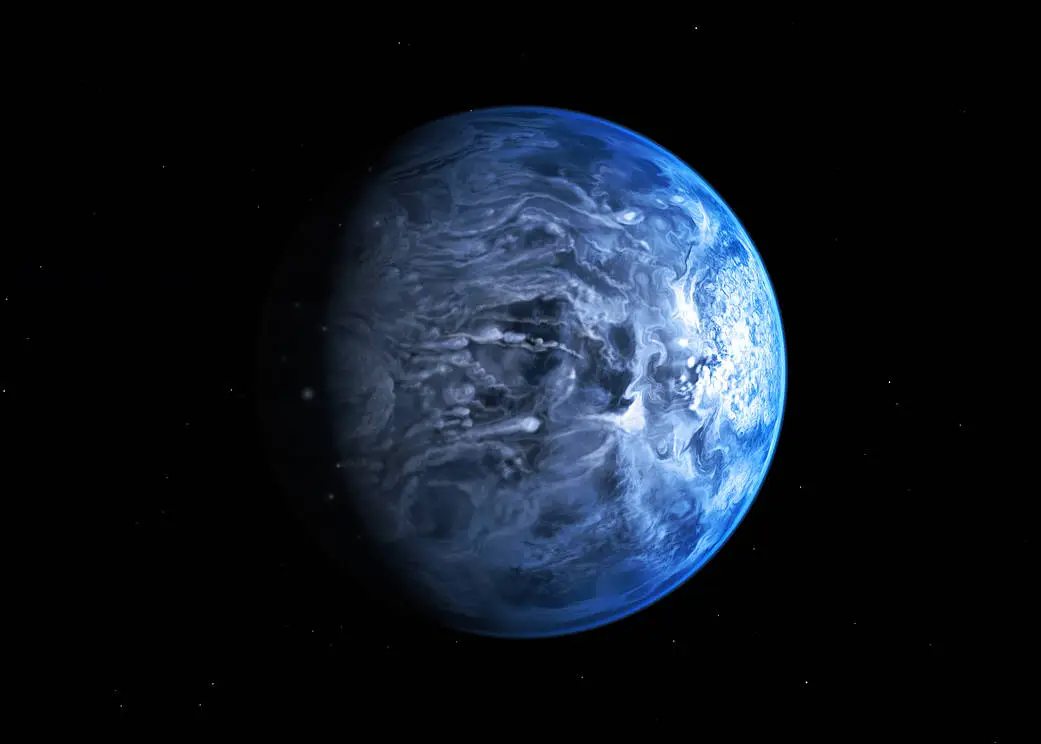 The gas giant HD 189733 b. Credit: NASA
The planet’s atmosphere is estimated to reach temperatures of up to 2,000°F (1,093°C) on its day side. These extreme conditions are driven by the planet’s tight orbit, which causes a sharp contrast between its scorching hot and relatively cooler night side. As stated by the U.S. Space Agency, this temperature imbalance is a driving force behind the violent wind systems observed on the planet.
Winds At 5,400 Mph
Scientists using Hubble discovered that wind speeds can reach up to 5,400 miles per hour (2 km/s), fast enough to carry materials across the planet in a matter of hours. These winds exceed any atmospheric speed recorded in our solar system by far.
“This scorching alien world possibly rains glass—sideways—in its howling winds,” one statement from the agency read.
The combination of speed, heat, and high-altitude chemical compounds creates a cyclone of destruction for anything unlucky enough to be caught in it.
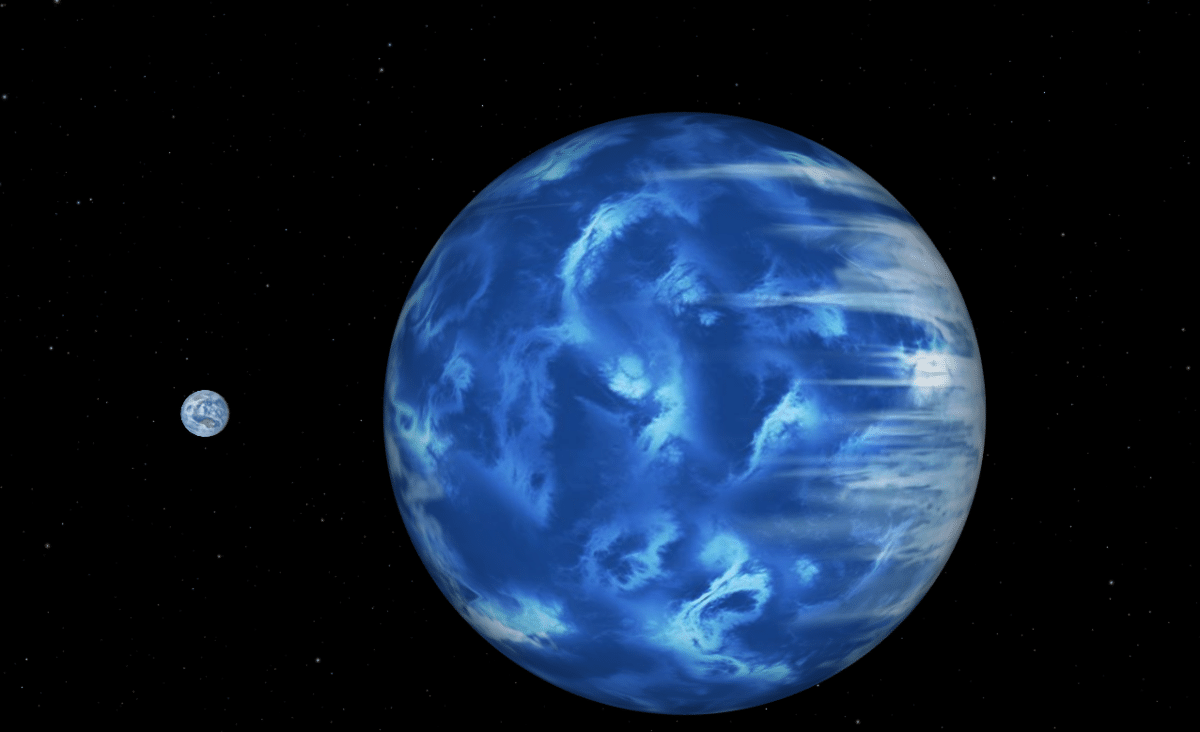 Earth vs. the glass-raining giant HD 189733 b. Credit: NASA
Glass Rain In A Silicate Storm
As if the winds weren’t enough, HD 189733b’s sky is known for a disturbing weather phenomenon: rain made of glass. Silicate particles suspended in the atmosphere condense into tiny shards that fall from the clouds, only to be flung sideways by the supersonic winds. In NASA’s words, this makes the weather on the planet not only extreme but lethally sharp, and “getting caught in the rain on this planet is more than an inconvenience; it’s death by a thousand cuts,” reads one of the agency’s descriptions.
Glass particles hurled at thousands of miles per hour would rip through any surface, whether artificial or organic. This type of precipitation ranks among the most bizarre and dangerous weather phenomena ever observed, highlighting just how alien and inhospitable some worlds beyond our solar system truly are.