
GSMArena Team,
19 January 2026.
1. Introduction, specs, unboxing2. Design, build quality, handling3. Our lab tests – display, battery life, charging speed, speaker4. Software and performance5. Camera, photo and video quality6. Final words, our verdict, pros and consMotorola Moto G Power (2026) specificationUser opinions and reviewsReview comments (11)
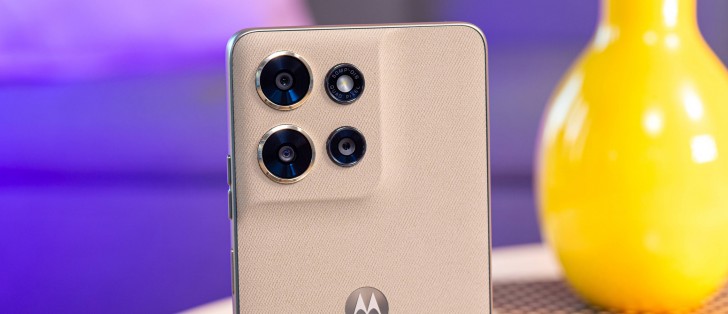
Cameras – check
The Moto G Power 2026’s focus clearly isn’t on its camera system, but the phone does cover the basics – a dual setup on the back features an ultrawide camera next to a more modestly wide primary unit, and you get a pretty decently specced selfie camera too.
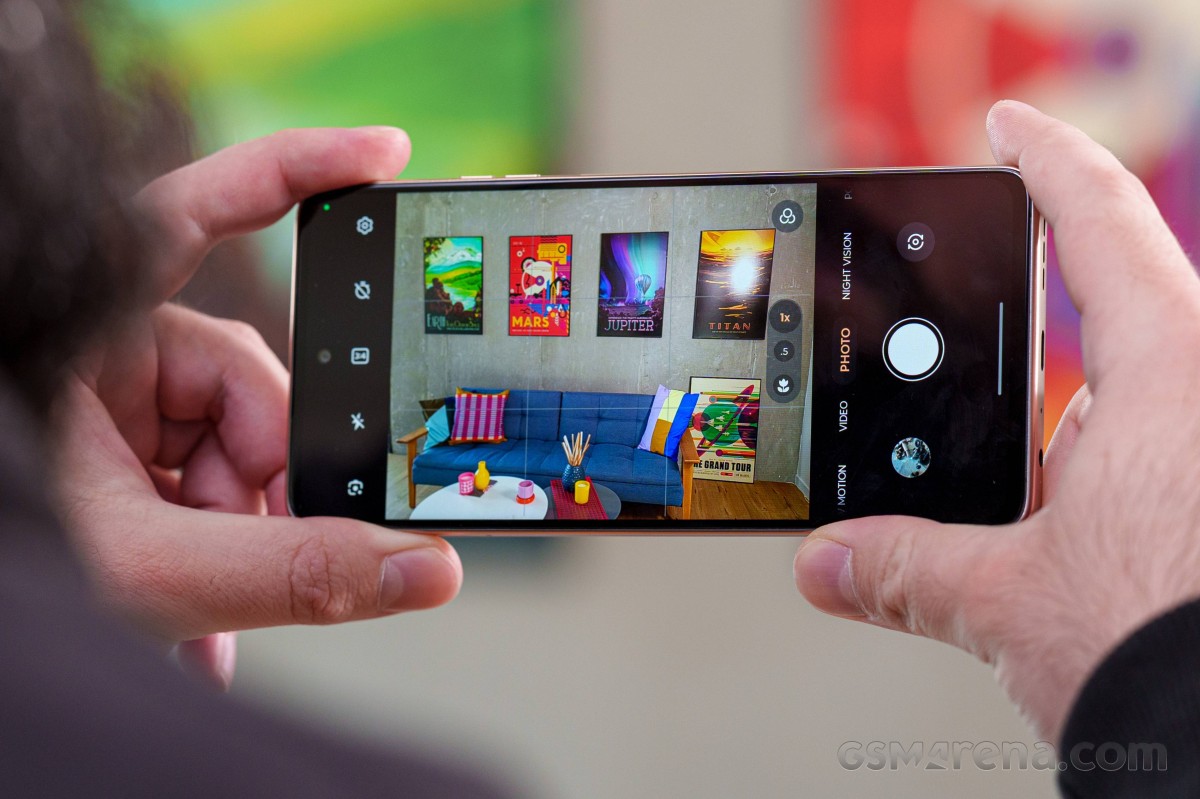
The main camera is based on a 50MP OmniVision sensor with a Quad Bayer color filter (so technically 4‑cell in OV speak). It’s mated to a stabilized lens with a fairly long 29-ish mm equivalent focal length.
The ultrawide is a 8MP unit that may be modest, but it still does include autofocus, enabling a ‘macro’ mode (we’re not too sure about that).
Over on the front, there’s a 32MP camera with a wide 23mm lens.
Wide (main): 50MP OmniVision OV50D (1/2.88″, 0.61µm-1.22µm); 29mm, f/1.8, OIS, multi-directional PDAF (9cm – ∞); 1080p60 video recording.
Ultrawide: 8MP OmniVision OV08D (1/4.0″, 1.12µm); 15mm, f/2.2, AF; 1080p30.
Front camera: 32MP Samsung ISOCELL KDS (S5KKDS, likely a variation of S5KKD1, 1/3.42″, 0.64µm-1.28µm); 23mm, f/2.0, fixed focus; 1080p30.
Daylight photo quality
Main camera
The main camera’s results won’t win any awards for detail quality, but its images capture a wide dynamic range and pleasing colors. The no-frills app doesn’t have a full-res mode, though, so it’s only 12.5MP images that you’d be getting.







Daylight samples, main camera (1x)
The photos of human subjects that we took somehow lacked that same level of color pop, but they were still pretty decent.








Human subjects, main camera (1x): Photo mode • Portrait mode
The Moto doesn’t have a direct 2x shortcut in the viewfinder, but we gave it a shot with some pinch to zoom action and, well, they’re pretty bad.







Daylight samples, main camera (2x)
Ultrawide camera
The ultrawide camera’s photos are also not too great when viewed from up close, but at fit-to-screen magnification or the phone’s display they’re looking good. Colors and dynamic range are pretty nice after all.






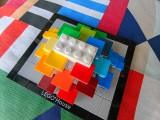

Daylight samples, ultrawide camera (0.5x)
The macro button in the viewfinder will get you a 2x zoom from the ultrawide camera, effectively matching the main camera’s field of view. These are questionable even from afar – no need to look at them at 1:1 to spot the badness.




Daylight samples, ultrawide camera, macro mode
Selfies
Here’s a handful of selfie samples from the Moto G Power 2006 – we’d say they’re quite alright in good light and less so in dimmer conditions.




Selfie samples
Low-light photo quality
Main camera
Low-light results from the main camera are usable if you manage your expectations. They’re well exposed and hold on to color well, but things are generally pretty soft, particularly in the darker areas.



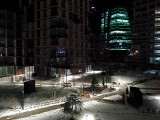


Low-light samples, main camera (1x)
Night mode can improve things in the shadows somewhat, though the aggressive sharpening isn’t at all pretty.



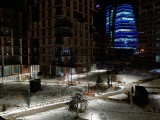


Low-light samples, main camera (1x), Night mode
Ultrawide camera
The ultrawide’s low-light results are looking like they’ve been shot through a greasy jar – okay, maybe that’s a bit too harsh, but they’re certainly much too soft. Night mode will improve them a little, but not dramatically so.



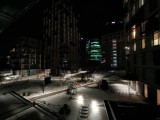


Low-light samples, ultrawide camera (0.6x)



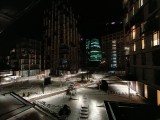


Low-light samples, ultrawide camera (0.6x), Night mode
Video quality
The Moto G Power 2026’s video recording capabilities are pretty limited – the main camera maxes out at 1080p60fps, while the ultrawide and the selfie camera are capped at 1080p30fps. You can still choose between h.264 and h.265 codecs, but there’s no HDR recording. Stabilization is apparently always on – there’s no toggle of any sort, but the videos are apparently stabilized.
You can check out the playlist below, which includes multiple video samples.
The Moto’s video clips are hardly masterpiece-quality, but they’re usable for… documenting stuff. Daylight clips are decent, nighttime footage is a bit washed out and pretty soft.



Moto G Power 2026, video screengrabs, daylight: 0.6x • 1x • 2x


Moto G Power 2026, video screengrabs, low light: 0.6x • 1x
The main camera’s stabilization is pretty good from a standing position, but walking shake results in focus hunting (which the ultrawide does most of the time too).
Camera quality verdict
The Moto G Power 2026 has a usable camera setup that may not be exactly cameraphone-grade, but will get you decent daytime stills with its rear cameras, and selfies are alright too. Video quality is acceptable in good light, but little more than that. Low-light results aren’t much good – not the photos, and not the videos either.