
The new plant, which will be developed in phases, is expected to begin operations by the end of March 2026, with full commissioning scheduled for July 2026.
The investment positions Polysmart among Africa’s most ambitious private-sector players in sustainable manufacturing, at a time when governments and multinational brands are under growing pressure to cut plastic pollution and carbon emissions.
According to the company, the facility will be equipped with world-class recycling technologies, including systems from Sorema and Tomra, as well as two Erema Vacunite units. These will enable the processing of multiple polymer streams, producing rPET resin and flakes that meet the standards of the European Food Safety Authority and the United States Food and Drug Administration, as well as non-food-grade HDPE, LDPE, and polypropylene materials.
“This is a transformative moment for Nigeria’s green economy,” said Wasiu Abolaji Balogun, managing director and chief executive of Polysmart Packaging Limited.
At full capacity, the plant will process up to 100,000 tonnes of mixed plastics annually, making it the largest of its kind in the region.
Polysmart’s $60m investment could recycle 5.5 billion plastic bottles a year in Nigeria
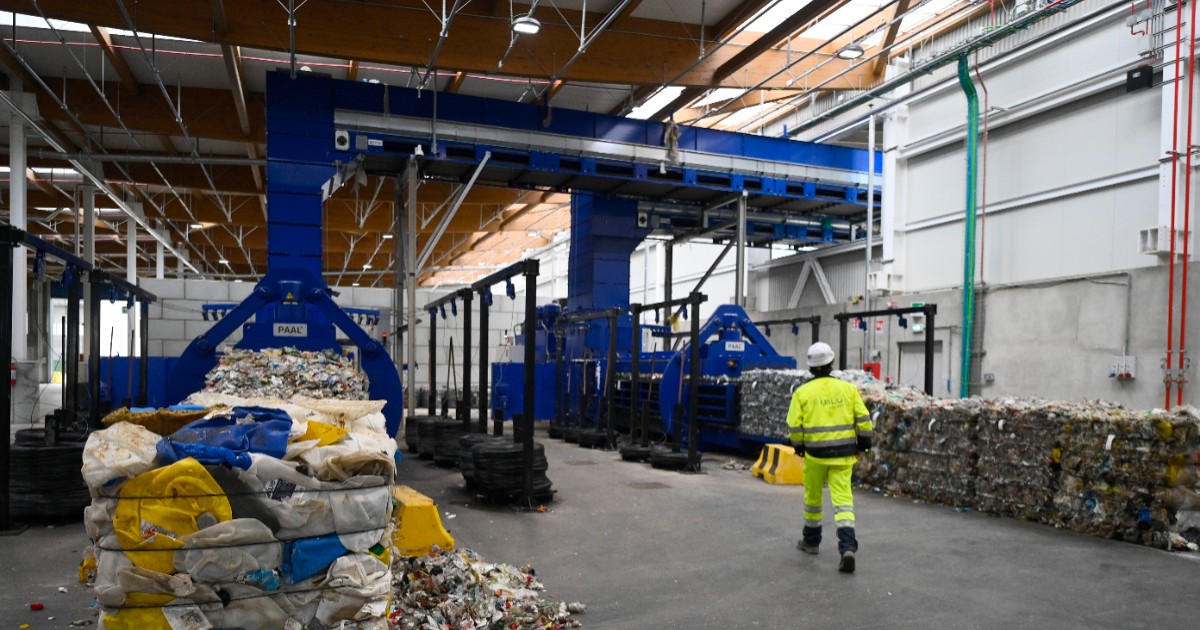
![A worker watches over plastic divided into various types ready to be transported for recycling after the sorting process inside the Circular Plastic. [Photo by Stefano Guidi/Getty Images]](data:image/svg+xml;charset=utf8,%3Csvg%20xmlns%3D'http%3A%2F%2Fwww.w3.org%2F2000%2Fsvg'%20width%3D'790'%20height%3D'445'%20data-ring-placeholder%3D'1'%3E%3C%2Fsvg%3E "A worker watches over plastic divided into various types ready to be transported for recycling after the sorting process inside the Circular Plastic. [Photo by Stefano Guidi/Getty Images]")
Polysmart estimates that the expanded facilities could recover and recycle more than 5.5 billion PET bottles every year, diverting vast volumes of plastic waste from landfills, drainage systems, and waterways.
The company says the expansion will also contribute to a significant reduction in Nigeria’s dependence on virgin plastics derived from crude oil. By replacing them with high-quality recycled alternatives, Polysmart positions the project as a step towards a more sustainable manufacturing ecosystem.
From an environmental, social, and governance perspective, the new plant is projected to deliver carbon savings of up to 170,000 tonnes based on its planned capacity. These gains come from lower energy use, reduced emissions, and the reintegration of plastic waste into the production cycle.
Industry observers say the scale of the investment could strengthen Nigeria’s ambition to become a regional hub for green technology and sustainable manufacturing.
As plastic pollution continues to pose a growing challenge across Africa, projects of this scale are increasingly viewed as critical to balancing economic growth with environmental responsibility.