
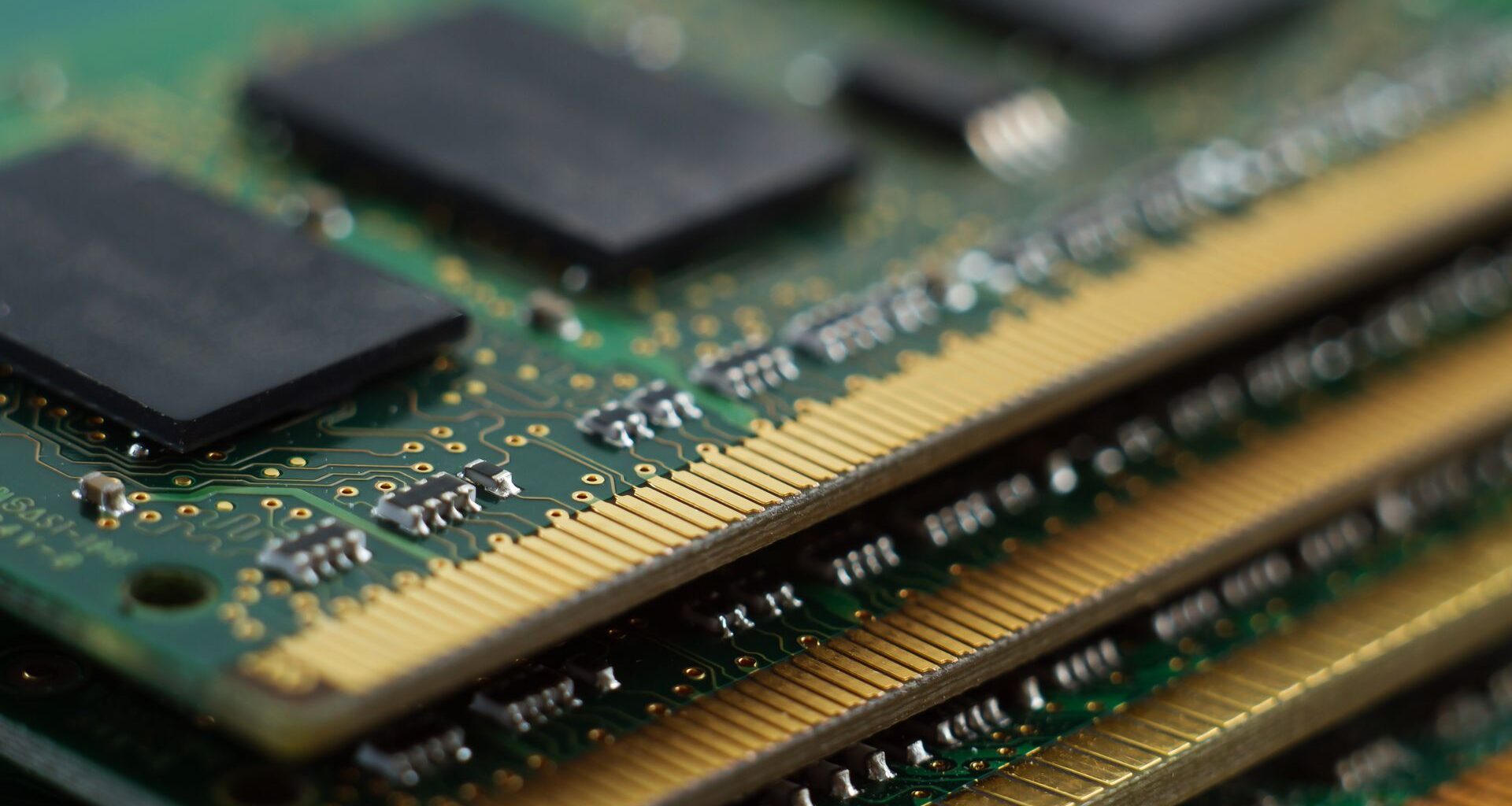
A report airs a claim from a research firm suggesting memory prices are poised to go up by another 40% to 50% by the end of Q1A separate analyst firm notes there’s a “permanent reallocation” of supply of RAM chips towards AI firmsIt’s expected that data centers will hoover up over 70% of the total supply of high-end memory chips this year
As the RAM crisis appears to intensify on a weekly basis, a new report makes it clear that the results could have a more far-reaching impact for consumers than you might expect, leaving a range of tech facing price hikes in a similar scenario to the disruption that the pandemic caused to supply chains.
Tom’s Hardware flagged the article from The Wall Street Journal (WSJ) which underlines just how bad the RAM crisis has gotten, and indeed how much worse it’s likely to get.
We’re told that according to Counterpoint Research, prices for memory are expected to increase by another 40% to 50% by the end of Q1 (March) 2026, with pricing already having risen by 50% in the final quarter of 2025.
You may like
This is all happening due to the AI boom, with memory being hoovered up by the data centers required to drive the ever-more-popular LLMs (Large Language Models) such as ChatGPT, Copilot and Gemini among others (such as DeepSeek and Kimi K2 in China).
The servers in those data centers need copious amounts of RAM, and the heavyweight graphics cards that are also key to driving the AI responses you may use on a daily basis also require video RAM (and lots of it). In short, AI is very RAM-hungry, and booming AI companies are paying out a lot of cash so they can keep driving growth.
As the WSJ report explains, the colossal buying power of AI is barging aside other industries trying to procure memory, and this could have a knock-on effect with all sorts of technology.
Meaning not just the RAM in your laptop or PC, or smartphone, but consumer electronics like TVs, cars, and, well, anything with memory inside – all of which are facing potential price hikes thanks to the wonky memory supply caused by AI. (And, it’s worth noting, also caused by decisions made by memory chip makers some time back when there was a glut of inventory, and production was scaled back to correct that – with AI demand resulting in a massive overcorrection in the other direction).
So, talk has turned to this being another situation like the pandemic, where the supply chain is hit badly and prices rise (and certain products are difficult, or even impossible, to get hold of – we can already see this happening to some extent, such as with high-end GPUs).
As Avril Wu, a senior research VP at analyst firm TrendForce, puts it: “I have tracked the memory sector for almost 20 years, and this time really is different. It really is the craziest time ever.”
Another analyst firm, IDC, is estimating that memory (and storage) price hikes will impact the sales of PCs and phones to the tune of a 9% and 5% dip respectively in 2026 (as those costs are inevitably passed on to consumers).
You may like
Furthermore, IDC notes that a “permanent reallocation” of supply is happening to favor AI firms, and obviously that’ll be to the detriment of, well, everything else that uses memory. The prediction is that data centers (not just those for AI processing, but all of these facilities) will consume over 70% of the total supply of high-end memory chips that’ll be manufactured in 2026. Ouch.
Analysis: AI is eating your RAM dinner

(Image credit: Shutterstock / Gorodenkoff)
So, is there any hope to cling on to here for us beleaguered consumers in the face of the RAM-eating AI juggernaut?
Well, the big memory chip makers – Micron, Samsung and SK Hynix – have put the pedal to the metal in terms of accelerating the building of new production facilities to churn out more chips. However, the catch is that those plans are longer-term, and won’t really have any bearing on the supply of RAM until 2028. Which, of course, marries with a lot of those predictions we’ve been hearing about the RAM crisis not just making itself felt for this year, but also throughout 2027.
Meanwhile, creative solutions may come into play, like reusing old memory chips. The WSJ points out the case of Caramon, a company that reclaims RAM from decommissioned servers, which has seen the value of its sales nearly double from $500,000 to $900,000 per month, in the space of the few months since the memory crisis took hold.
Consumers may look to buy used RAM on auction sites in a similar fashion, or even scavenge memory from an old PC at home for a new build (as a temporary stopgap).
And we could pin some hopes on the AI industry finding its own creative solutions to reduce the reliance on huge chunks of RAM – see this recent development with DeepSeek.
For now, though, the AI RAM monster is very real, and could be a punishing beast to deal with for consumers over the next couple of years.
The best computers for all budgets
Our top picks, based on real-world testing and comparisons
Follow TechRadar on Google News and add us as a preferred source to get our expert news, reviews, and opinion in your feeds. Make sure to click the Follow button!
And of course, you can also follow TechRadar on YouTube and TikTok for news, reviews, unboxings in video form, and get regular updates from us on WhatsApp too.