
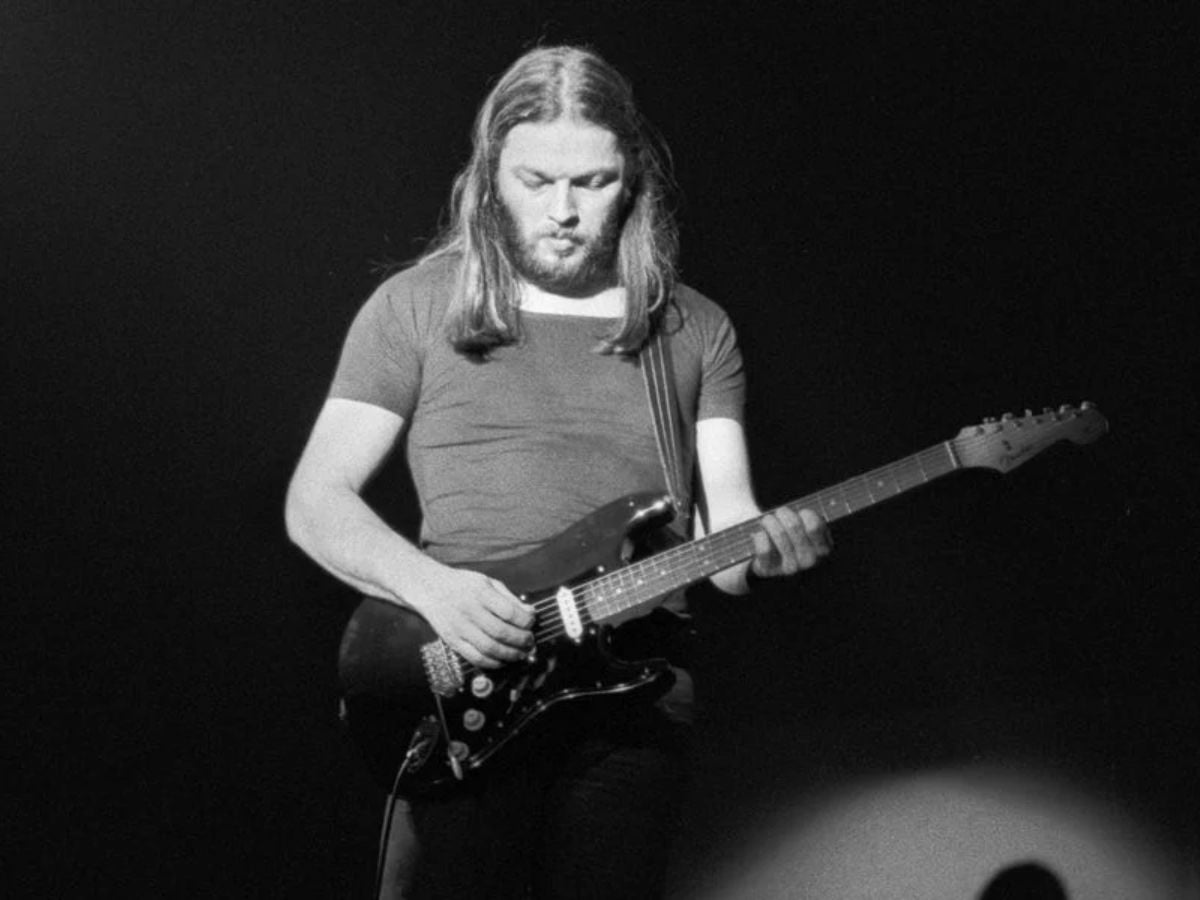
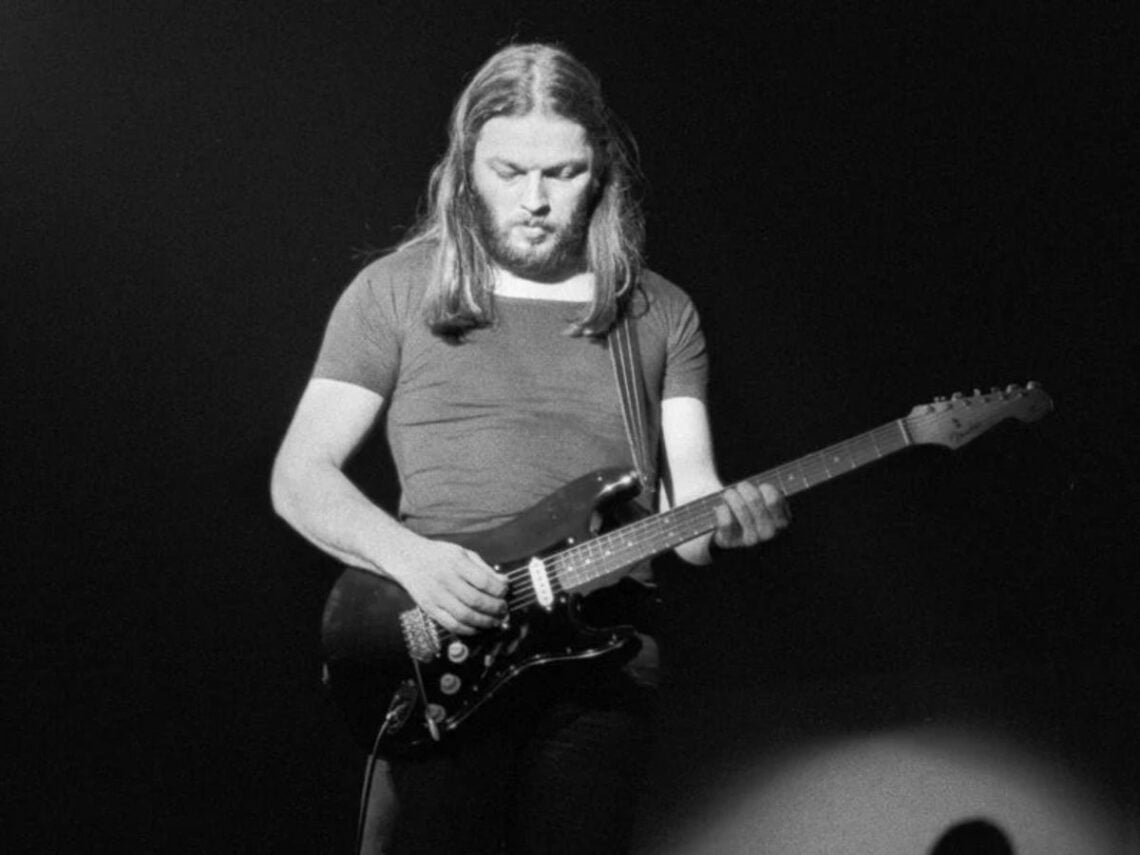
(Credit: Alamy)
Tue 20 January 2026 15:30, UK
Every musician will want to face a challenge whenever they walk into the studio. Each album is about starting at zero and working one’s way back up again, so it’s better to try something new with the song rather than go down familiar territory again. Few artists embody that more than David Gilmour.
Although Pink Floyd was known for shaping their sound into something different on every album, in the first half of 1975, buoyed by the breakthrough mainstream success of The Dark Side of the Moon, they really wanted to push things further. In boldly doing so, David Gilmour admitted that one song got the better of him when making Wish You Were Here.
Then again, any band would have had their work cut out for them after they finished the lavish tour for Dark Side of the Moon. After spending months on the road fine-tuning their previous outing, the prog-rock giants had created a landmark achievement that has yet to be equalled in rock history, creating a musical kaleidoscope reflecting the various elements of modern life on the grandest stage possible.
By the time the band had seen what the life of a successful rock band looked like, facing skirmishes and tension, they began to withdraw into themselves. Recalling the devastation that fame had done to Syd Barrett, Roger Waters envisioned Wish You Were Here as a reflection of fame that came with being in the music business, with ‘Shine On You Crazy Diamond’ memorialising Barrett’s contribution to the group.
Outside of the record’s heartfelt moments, ‘Welcome to the Machine’ was the first time Waters’s cynicism was directed at the music industry. With Gilmour playing the role of the domineering industry executive, the whole song is a pastiche of what rock stars were supposed to expect out of their jobs, from the dreams implanted in their brains to the trials and tribulations that come with going from one city to the next.
 Roger Waters in 1977. (Credits: Far Out / Alamy)
Although the performance that Gilmour gave on the final song is amazingly eerie, one of the final notes of his section caused him trouble when putting the track together. Despite being in a comfortable range for him throughout most of the song, the last line had a note too high for Gilmour to hit.
For the first and only time on a Floyd record, Gilmour remembered the band having to use various tape speeds to adjust the note to the proper pitch, saying in the Wish You Were Here songbook, “The only time we’ve ever used tape speed to help us with vocals was on one line of the Machine song. It was a line I just couldn’t reach, so we dropped the tape down half a semitone and then dropped the line in on the track”.
It’s not for the lack of trying either. While Gilmour might be noted as the group’s most proficient instrumentalist, he certainly saw vocals as a part of that same remit. As he once proudly proclaimed, “I love singing. I have spent as much of my life trying to improve my singing as I have practising guitar.”
With each take, he always wanted to emulate his heroes like Leonard Cohen and bring a unique personality to the song. But this one sadly seemed beyond him. He worried he was flat, especially when playing a very complex lead at the same time. So, the tweak was made in typical innovative Floyd fashion.
While Gilmour may have been insecure about having to adjust his performance, the effect is far more ominous with the effect added. Considering the subject matter of the tune, Gilmour’s vocals may as well sound even more robotic during this section, which works perfectly with the theme of the music industry being nothing but a bunch of soulless machines making mindless entertainment for anyone who would hear.
Then again, Waters wasn’t finished critiquing big business, eventually making even more scathing songs about the world on albums like Animals and The Wall. Pink Floyd was taking a drastic look at what the industry could do to a person, and through Gilmour’s foul-up, they sounded even more intimidating than before. It’s a towering song with wavy lines – that’s utterly unique.
Related Topics