
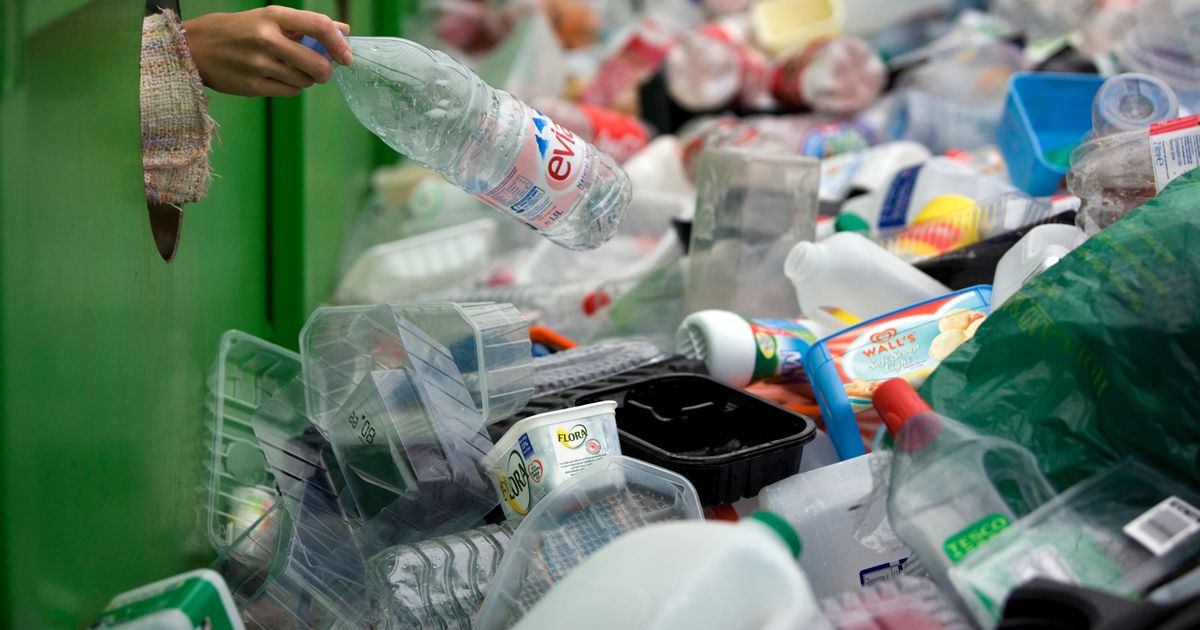
The scheme would see UK households paid for certain types of rubbish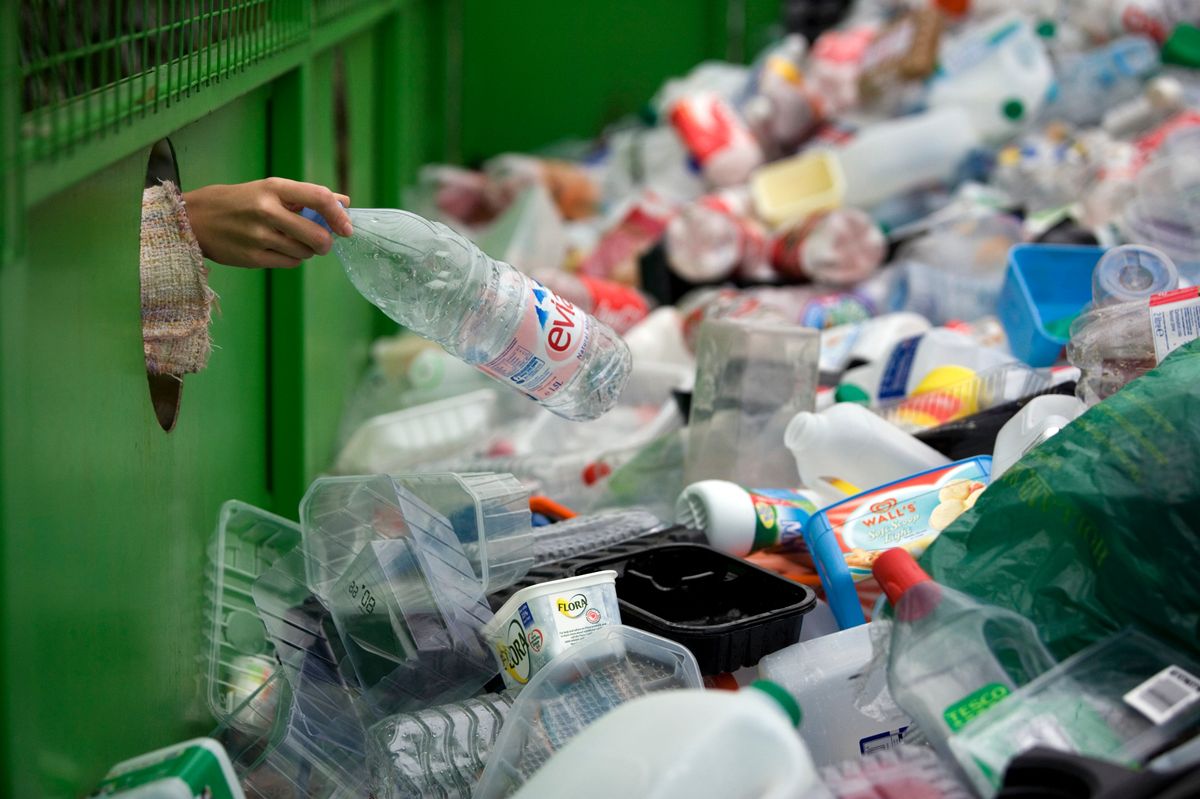
A woman depositing a plastic bottle in a recycling bin(Image: Getty Images)
In a major update, households across the UK will be paid to bring empty bottles and cans back to supermarkets with “no receipt needed” as part of a new initiative to reduce waste. The scheme will be planned over the coming months and launched next year.
The Department for Environment, Food and Rural Affairs (Defra) confirmed an upcoming Deposit Return Scheme for empty drinks containers to “stop the avalanche of rubbish that is filling up our high streets, countryside, and oceans”. In an update, Defra confirmed that a new scheme will be launched across England, Scotland, and Northern Ireland starting in October 2027.
This initiative will reward individuals for returning their used empty bottles and cans to designated collection points.
These collection sites will be located at major supermarkets throughout the country, including Tesco, Asda, Morrisons, and Sainsbury’s, as well as at grocery stores, convenience stores, and newsagents that sell beverages. This system is designed to recycle the containers, and participants will receive compensation for their returns, as reported by the Express.
Similar schemes have been implemented in over 50 countries around the world, including Germany, Sweden, and the Republic of Ireland, which encourage increased recycling of single-use drink containers. The UK is set to introduce its own program.
This update was published in the Environmental Improvement Plan (EIP) 2025 in December, Defra outlined its plans for minimising waste, stating: “Introduce the Deposit Return Scheme for drinks containers from October 2027. This will include single-use drinks containers from 150ml to 3 litres made of polyethylene terephthalate plastic, steel, and aluminium.”
Defra has confirmed to The Express that the following drinks containers will be included in the recycling scheme. Households that return any of these containers to a valid return point (either a manual or automated reverse vending machine) will receive a cash reward:
All single-use drinks containers that:
are made wholly or mainly from aluminium, steel, or polyethylene terephthalate (PET) plastic,have a capacity between 150 millilitres and 3 litres,are likely to be used only once or for a short period of time.
Containers with lids made from other materials are included in the scheme. However, the deposit will not apply to containers that are:
not single-use,made from high-density polyethylene (HDPE), which is the material used for milk bottles.
The scheme also excludes containers used for liquid medicines (such as cough syrup) and flavor enhancers or sweeteners (such as syrups or hot sauce).
When bottles or cans are returned, retailers must refund the deposit to consumers at the point of return, which can be done through a voucher, card, or cash.
By offering a financial incentive to recycle old bottles and cans, the scheme aims to significantly reduce plastic waste. Similar initiatives have experienced considerable success in various countries around the world, particularly in Europe.
With recycling points located in supermarkets, there is hope that the scheme will not only decrease litter but also lead to cheaper shopping for those who regularly participate alongside their weekly grocery trips.ernment is committed to cleaning up our streets and ending our throwaway culture. Deposit return schemes are proven to reduce the littering of cans and plastic bottles and drive up recycling rates which have flatlined for 15 years.
“Our packaging reforms will create 25,000 jobs and lead to more than £10 billion investment in recycling during the next decade.”
Retailers in urban areas will be exempt from hosting a return point if they have a retail space of less than 100m2, although they can still apply to be a voluntary return point.
Other types of organisations that sell drinks can also apply to host a voluntary return point, including hospitality venues, food-to-go stores, schools, mobile caterers, businesses with vending machines, and gyms, sports or community centres.
Defra has said Wales is working on its own plastic deposit return scheme, which will work alongside the schemes in England, Scotland and Northern Ireland.
Defra added: “Under this scheme, a redeemable deposit is placed on specific drinks containers that can be claimed when the item is returned to a collection point, such as a local supermarket.
“There’s no need for a receipt or proof of purchase, so anyone can return their own drinks containers or ones that they find, as long as they’re in good nick. This means we can all chip in to help clean up our communities – and get something for it.
“This simple change will reward people for doing the right thing and recycling their empty drink containers. Together, we will turn the tide on plastic waste.”