

Health chiefs in India have sounded a nationwide alert after two nurses were struck down by the rare, bat-borne virus that inspired the Hollywood blockbuster Contagion
12:03, 22 Jan 2026Updated 12:03, 22 Jan 2026

Health workers wearing protective gears to move a man with symptoms of Nipah virus in 2023(Image: AFP via Getty Images)
Two cases of Nipah virus, a rare bat-borne pathogen, which inspired the Hollywood film Contagion, have been confirmed at a hospital in India, with one patient in critical condition. The horror infection can cause swelling of the brain and death and is extremely dangerous.
The virus is transmitted to humans through contact with bodily fluids of infected bats, pigs or people, and there currently is no vaccine. The cases have led to a huge nationwide alert, while locals have been quarantined. The cases, both in nurses working at Narayana Multispeciality Hospital, a private hospital in Barasat, West Bengal, 16 miles from the capital city Kolkata, have raised fears that the disease could be spreading undetected.
Mr Narayan Swaroop Nigam, Principal Secretary, Health and Family Welfare Department, West Bengal, told the Telegraph: “Two nurses at a private hospital are infected with Nipah virus, and one of them is in critical condition.”
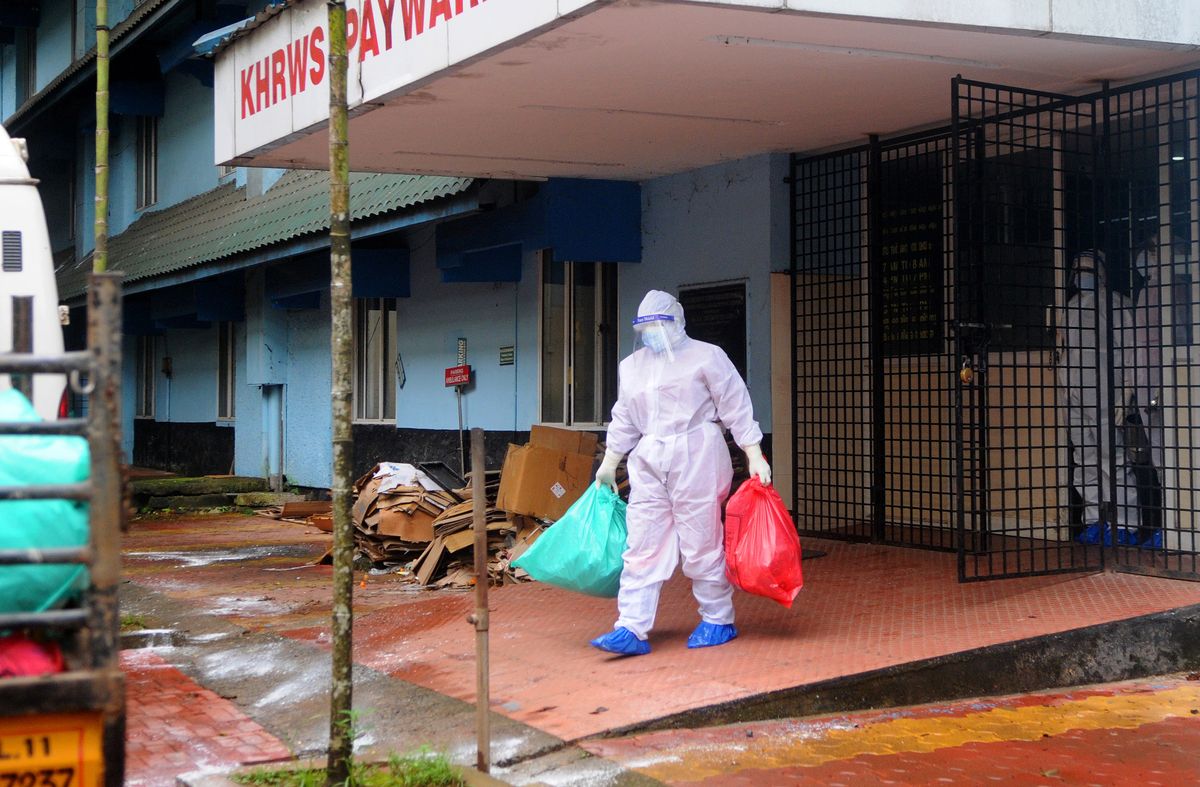
Medics were forced to turn a hospital into a Nipah virus isolation ward in 2021 (Image: DeFodi Images via Getty Images)
The pair had been working together between December 28 and 30, before developing high fevers and respiratory distress, forcing them to be admitted to the hospital’s intensive care unit on January 4, with one in a coma.
Officials suspect that both nurses caught the virus while treating a patient who later died before being tested, but was suffering severe respiratory symptoms. Now officials are contact tracing people who came into contact with the nurses and person who died, with 180 people tested, and 20 high risk contacts qurantined.
“All of them are asymptomatic and tested negative. We will again test them before their 21-day quarantine ends,” Mr Nigam added. India’s Ministry of Health and Family Welfare has issued a nationwide alert, urging officials to to take preventive measures such as surveillance to prevent any further spread.
The World Health Organisation has identified Nipah as a critical research priority given its potential to trigger a global health crisis.
The virus proves fatal in up to 85% of infections, beginning with symptoms including fever, headaches, pain, vomiting and sore throat, before progressing to deadly brain inflammation. Transmission occurs through contact with infected animals such as bats or pigs, contaminated food sources, or direct person-to-person spread.
Oxford University is presently undertaking phase one trials of its Nipah vaccine following encouraging preliminary findings.
Experts have previously warned that growing human interaction with fruit bats, combined with their movement into heavily populated regions, is heightening the risk of Nipah virus outbreaks. Initially discovered during an outbreak amongst pig farmers in Malaysia in 1999, the Nipah virus has remained a persistent threat ever since.
The disease emerged in Bangladesh in 2001 and has ominously resurfaced almost annually since then. Moreover, evidence of this deadly pathogen has been found in fruit bat populations throughout numerous nations, ranging from Cambodia to Thailand.