
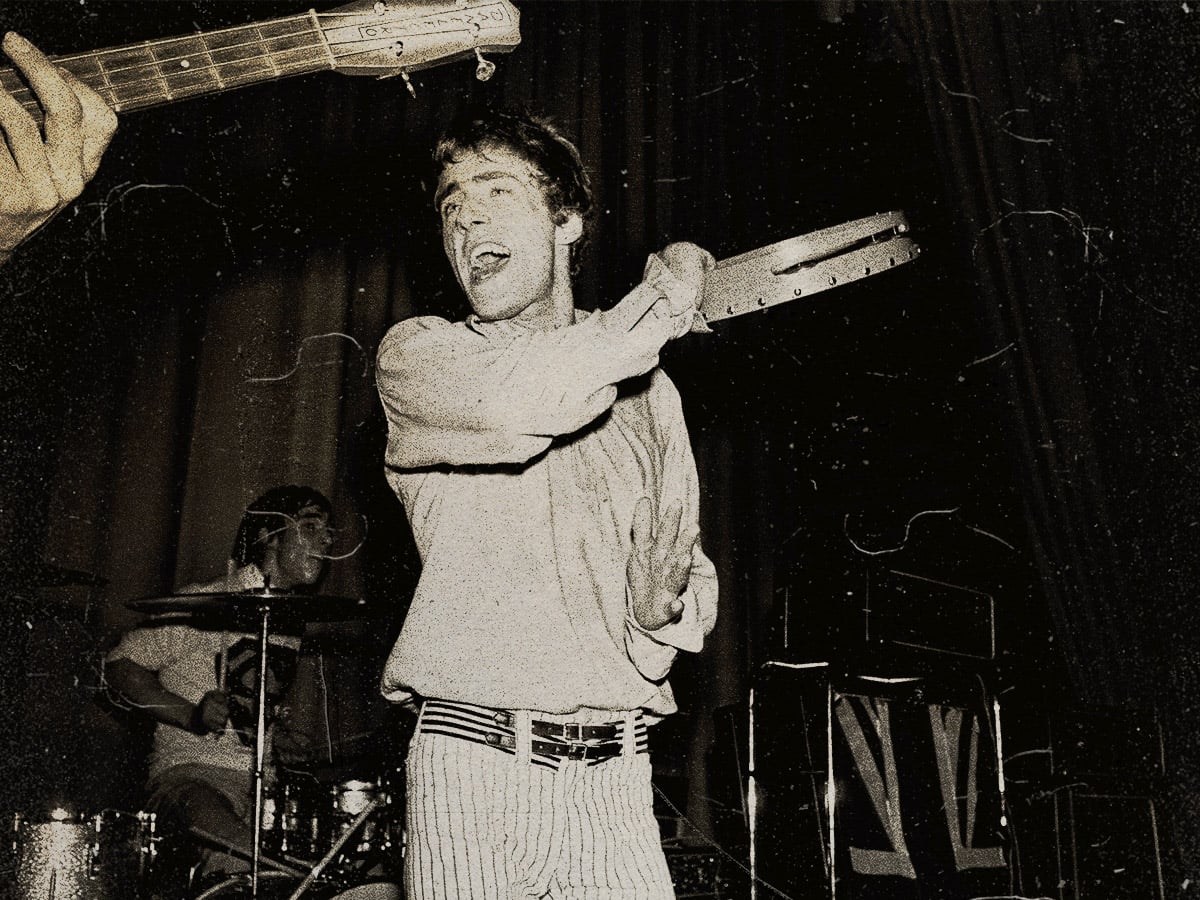
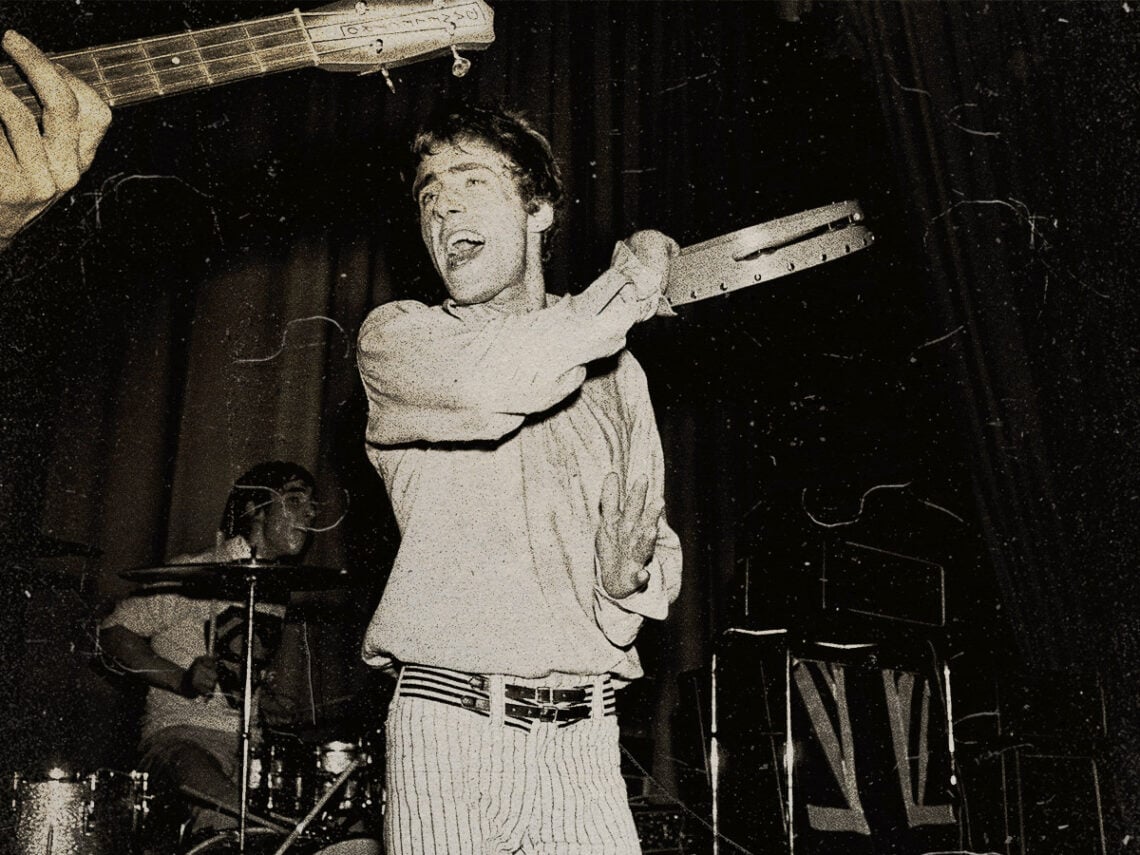
(Credits: Bent Rej)
Thu 22 January 2026 17:05, UK
”Rock ‘n’ Roll may not solve your problems, but it does let you dance all over them,” Pete Townshend once said. It was the job of his frontman, Roger Daltrey, to get that dancing started when it came to the explosive shows that The Who doled out in the fast and fraught era of the 1960s.
The fun and liberation of The Pill ran alongside the dreaded draft in the States. This was all part of a manic melting pot of highs and lows. After the scourge of the Second World War, the boom of the British Invasion offered the youth of the day an adrenaline-filled alternative.
Daltrey himself exemplified this as he wailed his way through the stuttering ‘My Generation’. With his golden locks billowing and marble-esque stature more than capable of taking any flak on the chin, he swaggered with a bold sense of defiance that not only brought muscle to The Who’s music but encouraged a grittiness among the generation listening on as a whole.
Rising up in conjunction with the revelry of the British Invasion was the boom of Motown. Using an $800 family loan, Berry Gordy set up the label, and soon it was churning out hit after hit. In many ways, the near-frenzied nature of the Detroit stable and the supreme musicianship of the artists signed to it pushed the British Invasion on further, each artist and group vying for prominence in a way that improved both.
Motown grew edgier and gathered greater gusto while the British Invasion polished itself up and dared to be even more experimental in defiance of the mainstream. Daltrey was certainly one artist inspired by this battle and the brilliance on either side. He looked at the performative nature and silky smooth pipes of his peers over in Detroit and endeavoured to channel their stylings into his singing.
 Behind the blue eyes of Roger Daltrey. (Credits: Far Out / Alamy)
But he also set out to up the ante of the rebellious streak that Gordy’s professional gang weren’t offering quite so much of. That was in his bones. As the Who’s golden frontman put it, he was even a rebel at school, never mind when he was singing anthemic tracks in front of a manic drummer with a bunch of cherry bombs in his kit.
The best Motown anthem ever?
However, even in those school days, he knew that you needed a certain degree of proficiency o pull it off with any style. So, he perused the magic of Motown. One song he looked at in particular was the Martha and the Vandellas classic ‘Dancing In The Streets’. It’s a hit that Daltrey cites among his all-time favourite songs. “The Who used to play this track, but I could never sing it as good as Martha,“ the strapping singer told Tracks of My Years.
“I think this track really sums up Detroit of that period. The Motor City in those days was a very special place. It’s totally different now, of course. I think that Martha and The Vandellas singing this really sums up just the exuberance of the American car industry of the ’60s, the pinnacle of its being,” he concluded, heaping praise upon the track as a timeless and defining masterpiece.
Written by Marvin Gaye, William Stevenson, and Ivy Jo Hunter, the song, like many Motown offerings, was passed around the various acts at the label, with Martha and The Vandellas providing the version fit for release in 1964. The song went on to score a number two spot on the charts, but beyond that, it captured the upbeat sense that the zeitgeist was swinging, and now it’s hard to find a more exacting artefact of the whole era.
Honouring that transcendent nature, it went on to be covered by plenty of rock ‘n’ roll acts, including The Who, The Kinks, The Mamas and the Papas, the Grateful Dead, and even Van Halen. Lest we forget the fact that it also provided the campest moment in history when David Bowie and Mick Jagger pranced around and sang it in a manner that underplays the definition of pompous.
As Martha Reeves put it, “The song just makes you want to get up and dance.”
Related Topics