

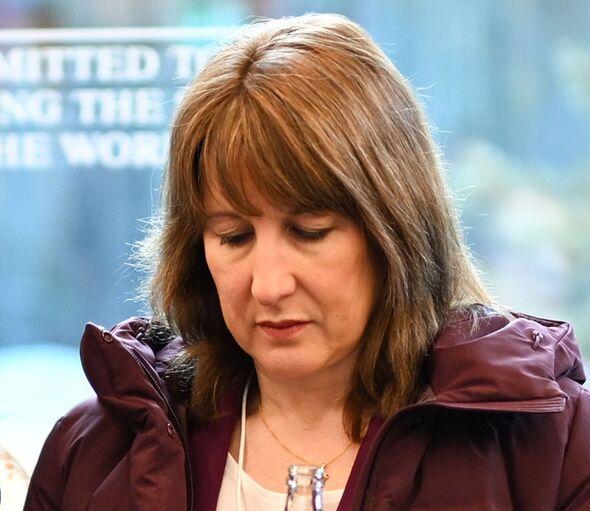
Rachel Reeves on the sidelines at the World Economic Forum in Davos (Image: Getty)
Rachel Reeves has been dealt another blow after official figures showed a sharp plunge in Capital Gains Tax receipts, undermining her strategy of hiking rates to raise billions for public spending. HM Revenue and Customs data released today revealed CGT receipts totalled £13.646 billion in 2025, down from £14.900billion in 2024 – a fall of 8.4 %, equivalent to more than £1.25billion.
The decline forms part of a persistent downward trend: full-year receipts dropped from £16.93billion in 2022/23 to £14.5billion in 2023/24 and £13.06billion in 2024/25. This represents a cumulative reduction of £3.87billion over three years, with the latest annual comparison showing a £1.44 billion plunge, commonly rounded to £1.4billion in headline reporting.
READ MORE: True scale of Rachel Reeves’s tax raid unveiled in HMRC’s data dump
READ MORE: Rachel Reeves is ‘killing our high streets’ – and it’s going to get worse
The figures arrive at a difficult moment for Chancellor Ms Reeves, whose Budget on November 26, 2025 doubled down on wealth taxes. It followed her initial October 2024 statement, which immediately increased main CGT rates to close a reported £22 billion fiscal black hole left by the previous administration.
The changes were intended to deliver substantial additional revenue to fund Labour’s spending commitments. However, Jason Hollands, managing director at wealth management firm Evelyn Partners, cautioned that the data demonstrates the limitations of such aggressive tax rises.
Mr Hollands said: “This marked decrease in Capital Gains Tax receipts indicates that taxpayers are swerving this and the previous Government’s crackdown on capital gains by sitting tight and deferring disposals, suggesting the futility of over-taxing investors and business owners.”
He pointed to well-established behavioural responses. Mr Hollands said: “The CGT data from not just today, but the last few years and through history, suggests that investors either bring forward decisions ahead of anticipated changes or are deterred from crystallising gains afterwards, or both.”

Jason Hollands believes taxpayers are swerving the Government’s crackdown on capital gains (Image: Getty)
He added: “This exposes the trouble with increasing the CGT burden: investors will change their plans and behaviour accordingly to avoid paying tax where they feel it is too high. In many cases, a more aggressive tax environment leads to lower rather than higher revenues.”
Mr Hollands singled out the previous government’s decision to slash the CGT annual exemption from £12,300 in 2022/23 to just £3,000 in 2024/25.
He said: “Investors—and CGT receipts—have had time to absorb the slashing of the CGT annual exemption… Sure enough, the receipts data reveals little or no benefit to the Treasury coffers from this step.”
He continued: “Final revenue data shows that CGT brought in £16.93billion in 2022/23, £14.5billion in 2023/24 and just £13.06 billion in 2024/25—and these latest receipts figures suggest that downward trend could continue.”
Get top stories from The Express sent straight to your phone Join us on WhatsApp
Our community members are treated to special offers, promotions, and adverts from us and our partners. You can check out at any time. Read our Privacy Policy
Mr Hollands added: “The only significant consequence is likely to have been distorting and disincentivising effects on investment and business decisions.”
Attention will now turn to the remaining months of the current tax year, as the full effects of Ms Reeves’ rate increases begin to filter through. While gains on non-exempt property must be reported and tax paid within 60 days of completion, disposals of shares and other assets are typically declared later via self-assessment returns.
Mr Hollands noted: “January and February 2026 will be the key months to watch.”
He warned: “In summary, the data does not bode well for the Chancellor’s hopes that her CGT rate hikes will bolster the public purse over the coming years.”
Mr Hollands delivered a broader caution about further escalation.
He said: “While taxing investors more heavily on gains from capital they have put at risk does not seem to work as a revenue raiser, what it does risk is discouraging entrepreneurialism and investment, which the country needs to boost growth.”
He concluded: “Any future move to bring CGT rates closer to income tax rates—a move supported by some MPs on the left—would be deeply unwise, acting as a drag on investment, business activity and growth, but also failing to bring in significant new revenues.”
The Treasury has so far declined to comment on the latest figures. The drop in receipts is likely to fuel renewed debate over whether higher CGT levies can deliver the promised windfall or instead risk stifling the investment needed for economic recovery.