
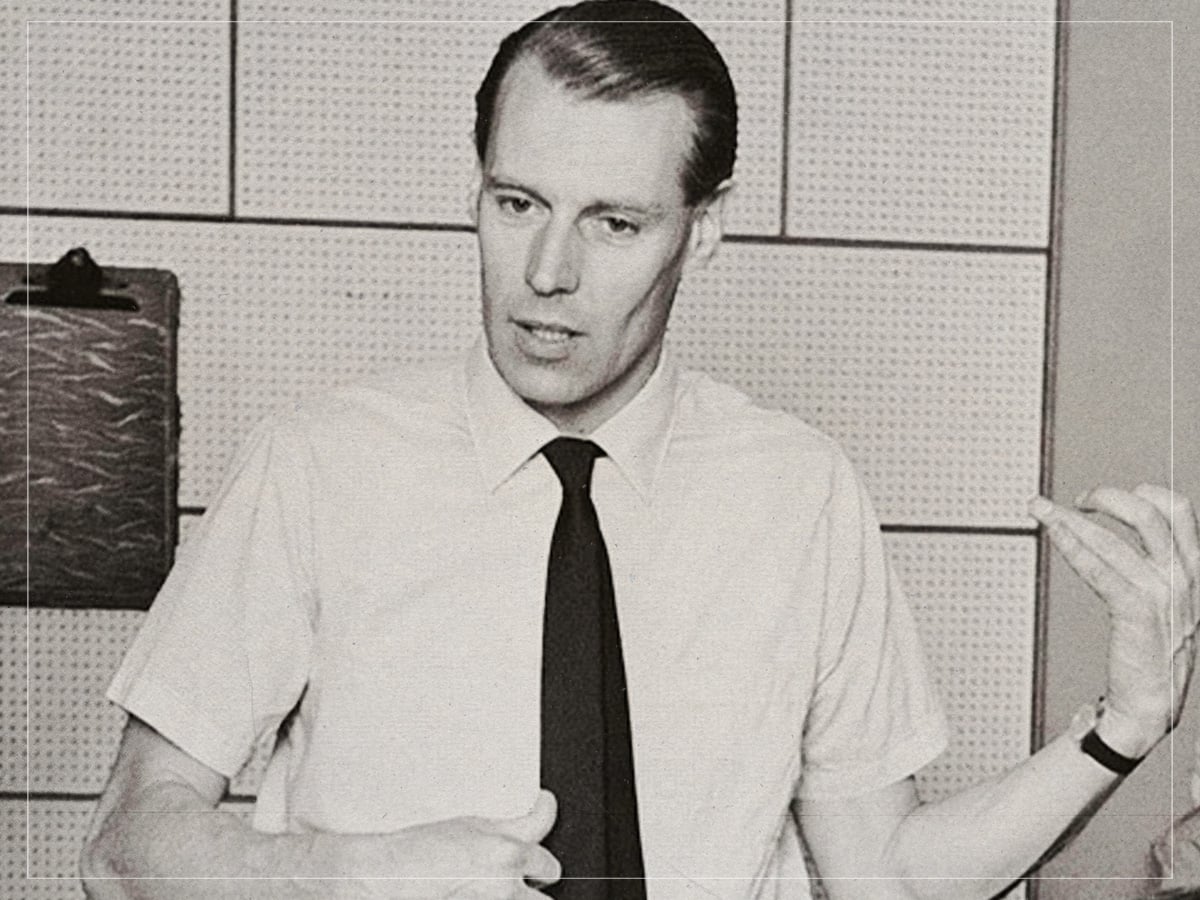
(Credits: Far Out / TIDAL / George Martin)
Fri 23 January 2026 2:00, UK
There comes a point in the life of any music fan when they are given the opportunity to introduce The Beatles to someone. While they may have heard brief snippets of the Fab Four, this introduction provides an opportunity to baptise them in the immersive world of history’s greatest band, and truly understand the genius of their music.
But upon that privilege comes a swift dilemma: where do you start them? Logic insists that you initiate them chronologically, beginning with the innocent days of Please Please Me before slowly taking them on a journey through the records, allowing them to grow with the band and understand psychedelia incrementally.
Logic doesn’t make good art, as we all know, and so the chronological tactic would make little sense. There’s a very strong chance that after three albums, the recipient of your stewardship will become fatigued with the trusted brand of blues rock that shot them to 1960s stardom and thus misrepresent the wider legacy they carved years later.
The other end of the spectrum also feels ill-informed. Thrusting them into the reversed world of ‘Tomorrow Never Knows’ or ‘Rain’ would similarly distort the true image of their psychedelic greatness that did indeed innovate and obscure, but remained crucially melodic and musical.
Two albums stand forward as the primary candidates in my opinion. The first would be Revolver, the 1966 record that built a bridge between the poppy past and psychedelic future. And while it is the record that hosts ‘Tomorrow Never Knows’, it will be listened to through the lens of the rest of the album, which acts as one of their most complete in history.
Then there is Abbey Road. Widely considered their opus, it showcases all John Lennon, Paul McCartney and George Harrison as songwriters, and feels as though it bundles all of their very greatest moments from the previous decade into one iconic album.
But maybe the best way to understand The Beatles for the very first time is to tackle the odds and ends. While the band released 12 studio albums across seven years, there were plenty of leftover songs that equally showcased the genius of the band and remain unheard by so much of the public.
In those songs exists the intimacy that will make anyone a die-hard Beatles fan, and one who can acutely understand the band in the very same way their famed producer George Martin could. Because it was he who compiled the mammoth retrospective project, and in doing so, put himself back in the depths of the band’s creative intimacy.
“My approach to the Anthology changed as I went along,” Martin explained. “I didn’t realise that I had forgotten about so many little gems. It took two years to produce the Anthology albums, listening to every track of every take in existence. It was a traumatic experience equivalent to living one’s life again, but I’m very glad I did it, and it finally closed the book for me on The Beatles saga.”
While it closed the book for Martin, it acts as an offbeat, yet fitting place to open it for a new fan. Because once you’ve heard the band at their unheard best, the rest of their already beloved music will make sense on a more personal level.
Related Topics
The Far Out Beatles Newsletter
All the latest stories about The Beatles from the independent voice of culture.
Straight to your inbox.