
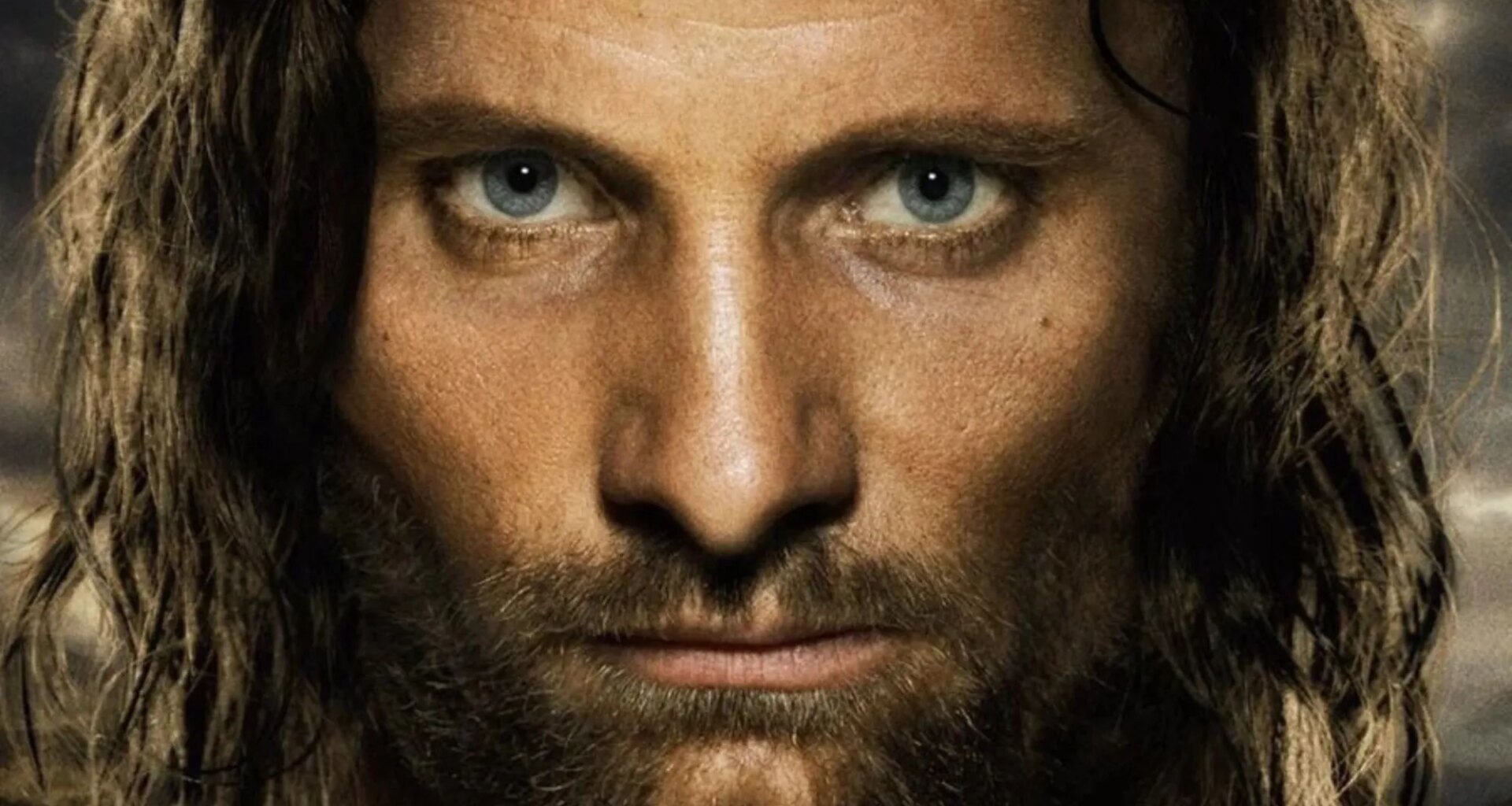
The Lord of the Rings: The Hunt for Gollum is set to bring Middle-earth back to theaters, with a prequel story based on the extensive lore found in the appendices of J.R.R. Tolkien’s original books. Currently scheduled to premiere in 2027, the film marks a significant homecoming for the original creative team, with Peter Jackson serving as a producer alongside long-time writers Fran Walsh and Philippa Boyens. The production also features familiar faces, most notably starring Andy Serkis, who returns to both direct the movie and reprise his legendary motion-capture performance as Gollum. Additionally, Ian McKellen will reprise the role of, and there is growing speculation that Elijah Wood may reappear as Frodo Baggins. However, the project is currently overshadowed by rumors that the studio intends to recast Aragorn with a younger actor to suit the prequel timeline.
Replacing a beloved performer in a high-profile franchise is a risky maneuver that often alienates the core demographic. In the specific case of Aragorn, this challenge is made worse by the fact that Viggo Mortensen has been quite vocal about his protective stance toward the established Lord of the Rings canon and the artistic direction of the series. He has previously stated that he would only consider returning to Middle-earth if the script were high-quality, something that hasn’t happened so far, validating fans who are displeased with the most recent chapter of the cinematic franchise. This context raises the concern that the decision to pursue a younger Aragorn might take the same disastrous path as another controversial recast: the attempt to introduce Alden Ehrenreich as a young Han Solo in the 2018 Star Wars spinoff.
Recasting Aragorn Risks the Same Outcome as Alden Ehrenreich’s Han Solo
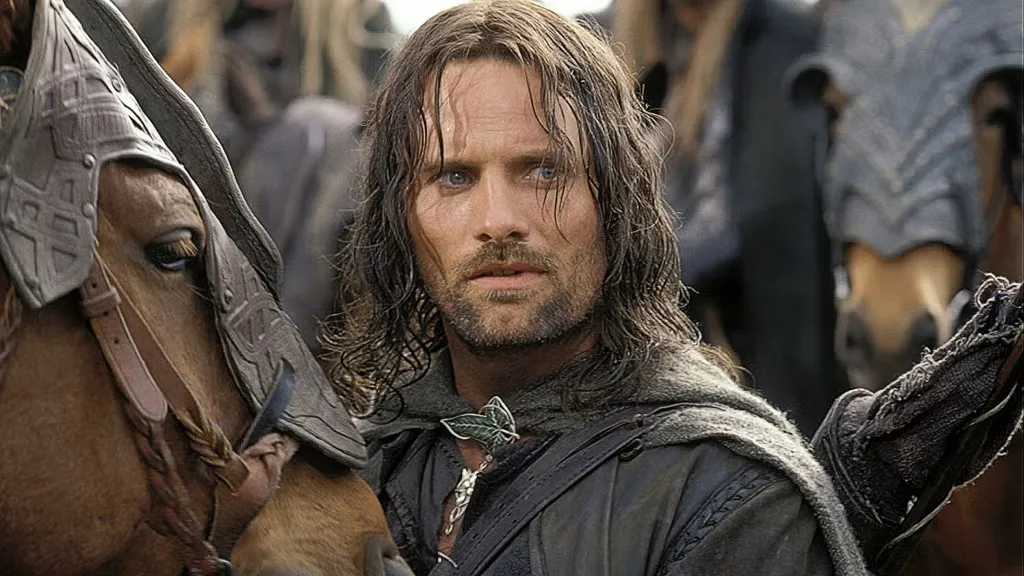 Image courtesy of Warner Bros. Discovery
In many ways, The Lord of the Rings: The Hunt for Gollum parallels the $393 million box office disappointment that was Solo: A Star Wars Story—not enough to cover a production budget of around $300 million before marketing. In 2018, Lucasfilm attempted to sell audiences on a new face for an iconic character whose charisma was inextricably linked to the persona of Harrison Ford. Despite a competent effort by Ehrenreich, the film became the first genuine financial failure in the history of the Star Wars franchise because the audience fundamentally did not want to see a surrogate for a perfect performance. Much like Han Solo, the version of Aragorn portrayed by Mortensen is considered a definitive take on the character. Attempting to slot a fresh actor into a role that Mortensen inhabited with such grit and authenticity invites a comparison that a newcomer will struggle to win, regardless of their individual talent.
The comparison grows even more dire when examining the precarious state of both franchises during their respective recasting moments. Solo: A Star Wars Story arrived during a period of intense brand fatigue, hitting theaters just five months after the polarizing The Last Jedi. At that time, the Star Wars fanbase was fractured and overwhelmed by an aggressive release schedule that stripped the franchise of its event-status rarity. Middle-earth is currently entering an identical period of vulnerability. While the original trilogy remains untouchable, the subsequent Hobbit trilogy was widely criticized for its overstuffed narrative and lack of emotional focus. More recently, Amazon’s The Lord of the Rings: The Rings of Power has proven highly divisive among Tolkien purists, with Season 2 reportedly suffering a staggering 60 percent drop in viewership compared to the series premiere. The brand’s credibility took another hit in late 2024 with the release of the animated feature The Lord of the Rings: The War of the Rohirrim, which grossed a dismal $20.7 million worldwide on a $30 million budget.
By insisting on a prequel that requires recasting a legend, Warner Bros. is ignoring the clear lesson that nostalgia for nostalgia’s sake frequently leads to audience apathy. Fans are already showing signs of exhaustion with the constant expansion of the Middle-earth mythos, particularly when those expansions feel like corporate mandates to maintain theatrical rights rather than essential storytelling. If The Hunt for Gollum moves forward with a new Aragorn while the franchise is already struggling with diminishing returns across television and animation, it risks cementing the same legacy of failure that ended the Star Wars anthology experiment.
The Lord of the Rings: The Hunt for Gollum is currently scheduled to be released in theaters on December 17, 2027.
Do you think a younger actor can successfully capture the essence of Aragorn? Leave a comment below and join the conversation now in the ComicBook Forum!