
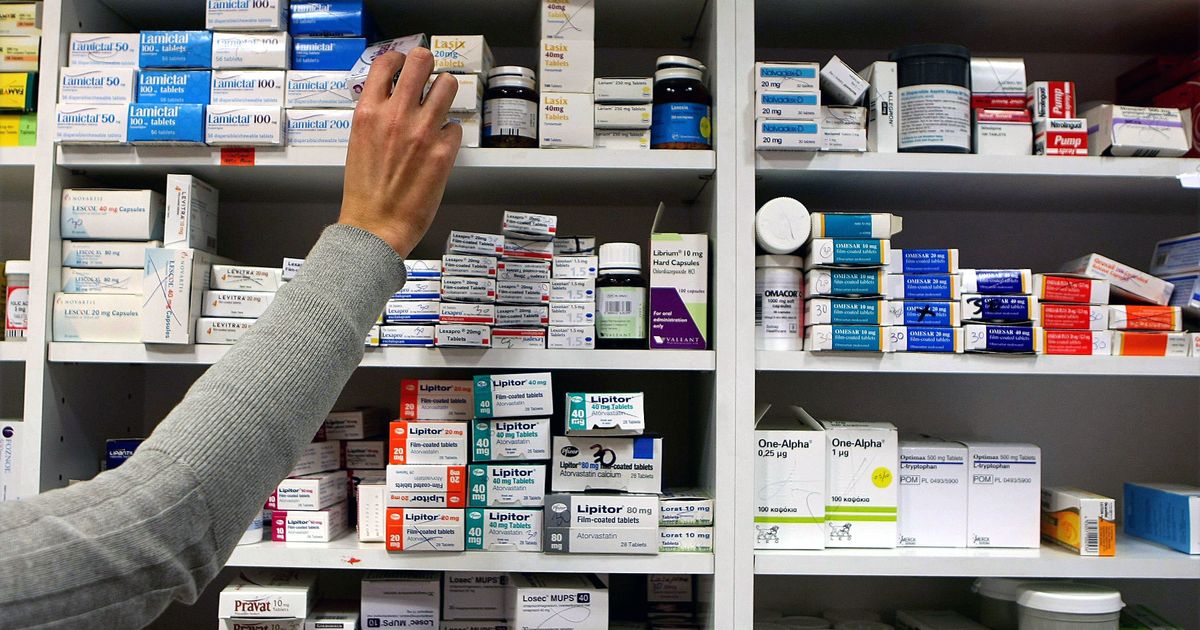
Pharmacies are ‘tightly rationing’ the medication for patients with the most life-threatening heart conditions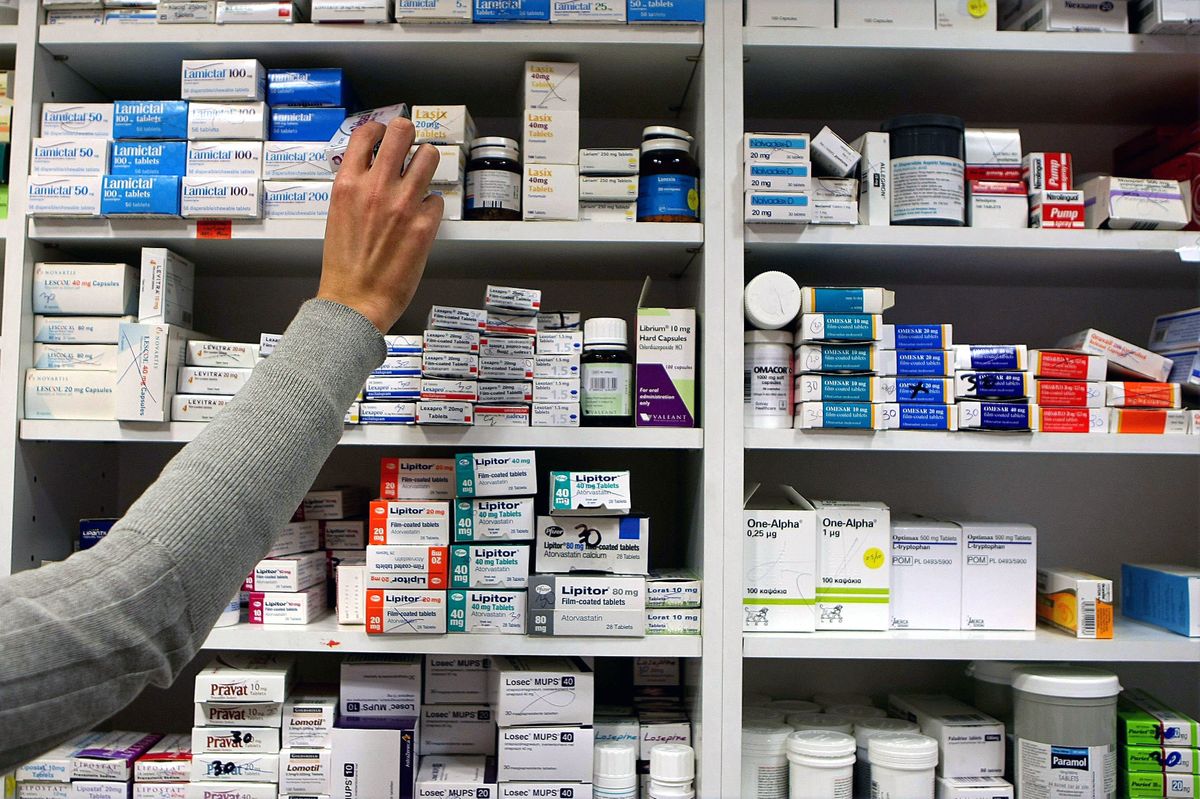
The UK is grappling with a widespread aspirin shortage(Image: PA)
Pharmacies across the UK are reporting widespread shortages of aspirin, a medication taken by millions which is needed to prevent stroke and heart attacks in some people. The Government recently added aspirin to its export ban list to protect supplies for UK patients.
The National Pharmacy Association (NPA) and the Independent Pharmacies Association have warned they are struggling to source the drug, citing manufacturing delays as part of the reason for the shortage. The NPA said pharmacists in the UK had told it they have been tightly rationing supplies of aspirin for patients with the most acute heart conditions or those in need of emergency prescriptions.
A doctor may prescribe aspirin for people who have had a heart attack or stroke, a transient ischemic attack, angina, peripheral arterial disease (PAD) or who have had surgery. Long-term treatment with a low dose of aspirin has an antiplatelet effect, meaning it can stop blood clots developing and help prevent heart attacks and stroke.
Olivier Picard, chair of the NPA, said: “We’re concerned about reports of pharmacies being unable to order in stocks of aspirin and the implications this might have for the patients they serve.
“For those pharmacies that can get hold of supply, costs will far exceed what they will be reimbursed by the NHS, yet more signs of a fundamentally broken pharmacy contract in desperate need of reform by the Government.”

Aspirin is a common non-steroidal anti-inflammatory drug (NSAID)(Image: Getty Images)
The NPA ran a snap survey of 540 UK pharmacies this week and found 86pc reported being unable to supply aspirin to their patients in the previous seven days. While all types of the drug are affected, the supply problem is worse for the low 75mg dose.
Several pharmacies said they have also stopped making aspirin available for over the counter sales. The NPA said the price of aspirin has also risen in the last two months due to the shortages, with a packet of aspirin 75mg dispersible tablets going from 18p earlier last year to £3.90 this month.
Dr Leyla Hannbeck, chief executive of the Independent Pharmacies Association, said: “It is incredibly worrying to see shortages of essential medicines such as aspirin and blood pressure treatments appearing in pharmacies. These low stock levels are partly due to manufacturing delays, but also because pharmacies are simply unable to order the quantities they need.
“The reality is that the prices paid for many medicines by the NHS are so low that manufacturers often prioritise supplying other countries instead, leaving the UK pushed to the back of the queue. When limited stock becomes available then the prices shoot up to levels that become unaffordable for pharmacies to order and they are left severely out of pocket.
“It is vital that the Government urgently reviews how medicines are reimbursed to pharmacies, otherwise these shortages will only worsen. In the meantime, anyone affected by a medicine shortage should speak to their local pharmacist, who is a highly trained healthcare professional and can advise on suitable alternatives where available.”
The NPA is calling for reform of the rules which restrict pharmacies from supplying an alternative drug or preparation to what is on a prescription.
Mr Picard said: “We’ve long called for pharmacists to be able to make substitutions where a medicine is not in stock and it is safe to supply an alternative. The status quo is not only frustrating for patients, it is also dangerous.
“It is madness to send someone back to their GP to get a prescription changed when a safe alternative is in stock. It risks a patient either delaying taking vital medication or forgoing it altogether, which poses a clear risk to patient safety.”
Community Pharmacy England director of research and insights, James Davies, said medicine shortages “remain a significant concern for both patients and community pharmacies”.
He added: “As shortages continue to take a toll on patients and pharmacy teams across the country, Government and the NHS must intervene now to stabilise the medicines market, tackle supply chain disruptions, and improve access to essential medications for patients.”