

Health authorities are rushing to contain an outbreak of Nipah virus, with nearly 100 people asked to quarantine
Nipah is a virus from bats that causes deadly fever(Image: AFP via Getty Images)
Health officials in India are racing to contain a fresh outbreak of the deadly Nipah virus after five cases were reported in West Bengal. Authorities have ordered nearly 100 people to quarantine as they attempt to limit the spread of the bat-borne virus.
Three infections were reported earlier this week, according to state authorities. They add to two earlier cases involving a male and female nurse who had tested positive after treating patients at a private hospital in Barasat near Kolkata.
The newly confirmed cases include a doctor, nurse, and health staff member, according to news wire agency Press Trust of India. All three had been working in the same medical facility where the original cases were detected.
Nipah virus, which spreads between animals and people, is classified as a priority pathogen by the World Health Organisation (WHO) due to its potential to trigger an epidemic. Fruit bats are the natural host of the virus.
Following the outbreak, nearly 100 close contacts have been told to quarantine at home, according to government officials. Local media reported that the two nurses who first fell ill developed fevers and respiratory distress before being admitted to intensive care.
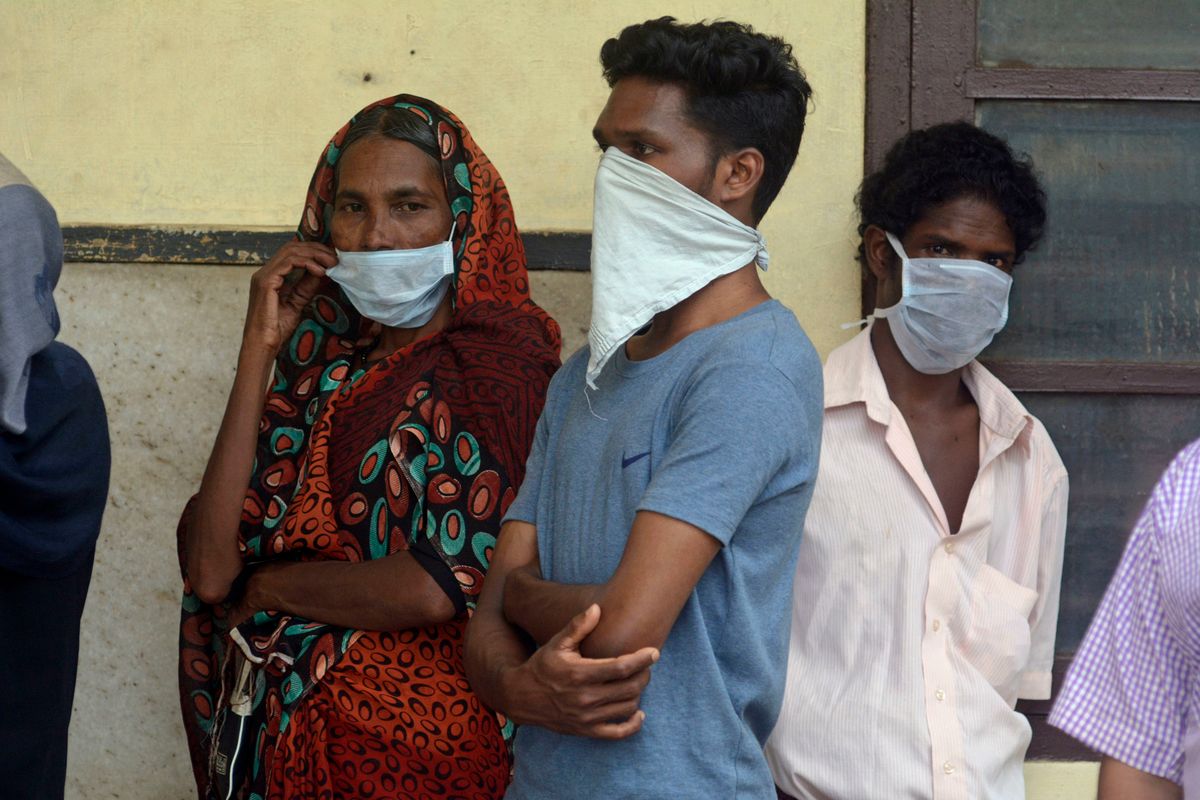
Nipah outbreaks in Bangladesh and India have been linked to contaminated fruit(Image: AP)
A senior official in the West Bengal health department said the patients were being monitored closely. “The condition of the male nurse is improving but the woman patient remains very critical. Both of them are being treated in the ICCU (Intensive Coronary Care Unit),” they said.
Common symptoms of the infection include fever, headaches, muscle pain, vomiting and a sore throat. This may be followed by dizziness and drowsiness which may progress to pneumonia and severe respiratory problems, seizures and coma.
Nipah virus has a fatality rate of between 40-75 per cent, according to the WHO. It says this rate can vary by outbreak depending on local capabilities for managing the spread of the virus. There is no vaccine to prevent the infection and no specific treatment to cure it.
Health authorities across the region have been told to increase surveillance for Acute Encephalitis Syndrome (AES), a dangerous brain inflammation linked to Nipah virus infection. The condition can be life-threatening if not diagnosed and treated quickly.
An advisory issued in Tamil Nadu said: “Persons admitted with AES, particularly those with travel or contact history linked to West Bengal, should be closely monitored and evaluated for possible Nipah virus infection.”
The virus can spread easily through bodily fluids like saliva, urine and blood. Rajeev Jayadevan, ex-president of Indian Medical Association in Cochin, said infection is typically caused by the accidental spillover linked to contaminated fruit.
“This is more likely in rural and forest-adjacent areas where agricultural practices increase contact between humans and fruit bats searching for food,” he said.