
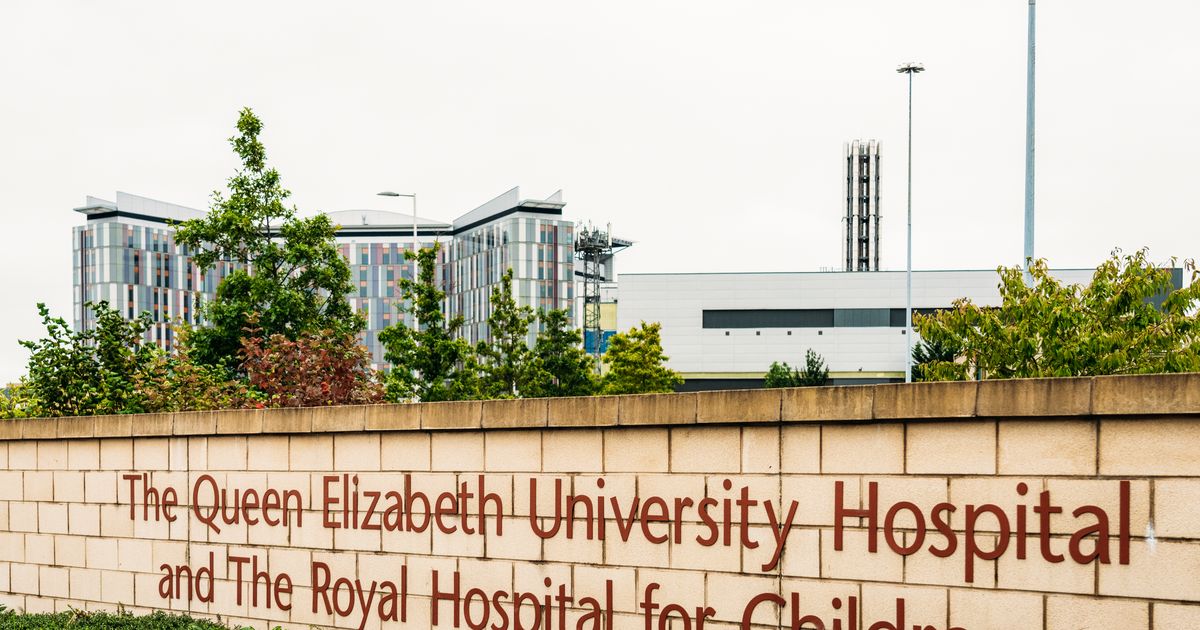
Nurses claim the new policy only requires them to clean the bed area of the hospital rooms, meaning toilets and the rest of the wards will not, allegedly, always be cleaned before a new patient arrives.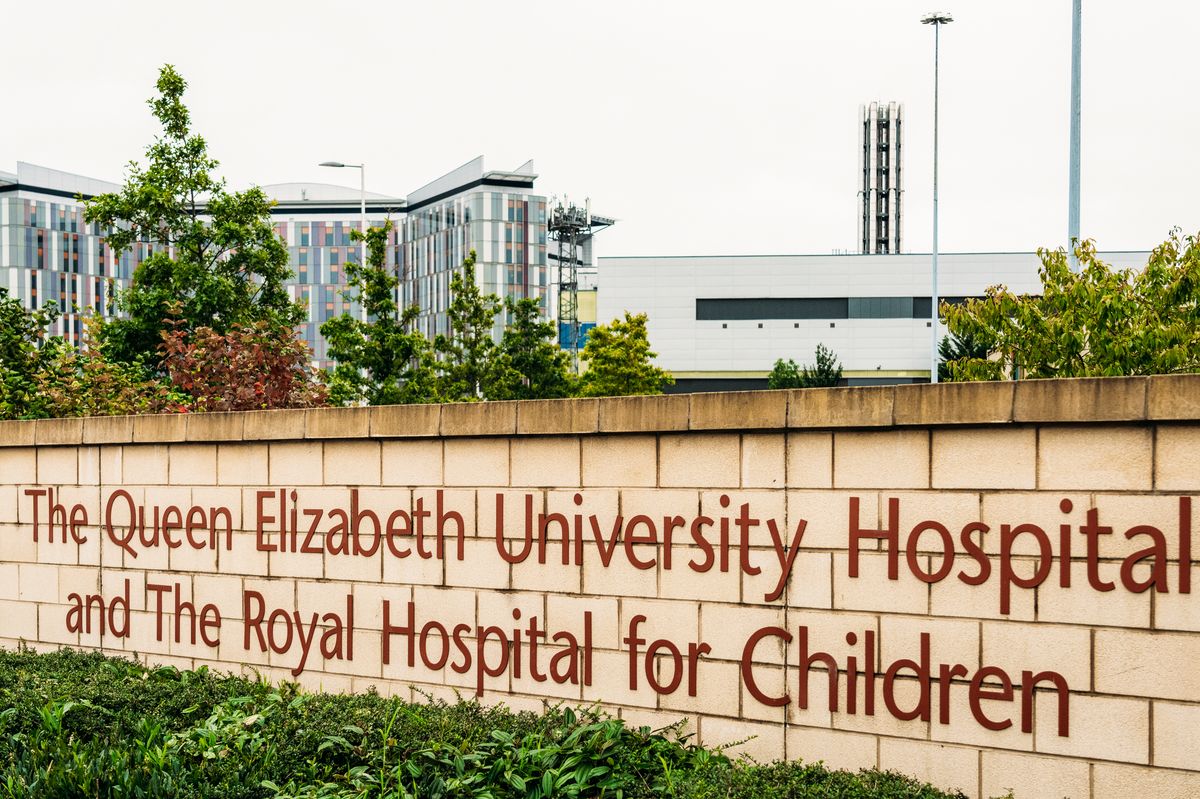
The Queen Elizabeth Hospital in Govan, Glasgow(Image: Getty Images)
Nurses at the scandal-hit Queen Elizabeth University Hospital in Glasgow report feeling “scunnered and demoralised” at a new cleaning routine established this year, that sees them required to sanitise rooms themselves when patients are discharged – which they say they are already stretched far too thin and too understaffed to do.
They also say the new policy only requires on-duty nurses to clean the bed area of the hospital rooms, meaning toilets and the rest of the wards will not always be cleaned before a new patient arrives. A lack of guidance and clarity on how the rooms are to be cleaned is adding to the “chaos”, one nurse has claimed.
A senior nurse at the QEUH, who has been in the field since 1992 has described the change as “going backwards.”
The 55-year-old told Glasgow Live: “It just seems a bit unfair. Everything just seems to be getting landed on the nurses and healthcare support workers. When this happened, we just felt scunnered. Absolutely scunnered.
“We just get so much put on us. I’m trying to pick up my staff and say ‘look, I get it’, but I feel demoralised.”
But it’s not only the extra pressure pushed on nursing staff that she is worried about. A lack of clarity on how they are to clean the rooms, and concerns of possible infections due to potentially unclean wards is another major worry for staff.
The nurse said: “There was nothing in writing, this was just all hearsay. There was nothing to say exactly what we’re cleaning and what we’re using.”
It is understood that the previous ‘discharge team’, who would clean rooms on a patient’s departure, have been redeployed for other jobs around the hospital, though the nurse says they haven’t been explicitly told this.
While a domestic cleaning team visits each room daily, rooms and toilets are then used for the rest of the day without being cleaned again, according to the nurse. And if a patient is discharged and a new one is admitted, there’s a risk the new patient will be entering a room where only the bed area has been cleaned, the nurse said.
She continued: “The patient might have been in and out of the toilet numerous times, but that doesn’t merit another clean. All we have to do is clean the bedspace, but we’re constantly running below our numbers, so we have to stop what we’re doing and do a discharge clean over and above.
“It just doesn’t seem right that we’re putting a patient in a room that we don’t know has been properly cleaned. We are nursing patients that require chemotherapy and dialysis, and there’s an amount of blood that can could potentially land on the floor that we can’t see.”

The Queen Elizabeth University Hospital in Glasgow(Image: Jane Barlow/PA Wire)
Having been a nurse for almost 35 years, the concerned caregiver has seen healthcare improve in a number of ways, but feels this latest move by the QEUH is “going backwards.”
She said: “Things have progressed, the practices that I did when I came into nursing have totally changed. It’s all changed for the better, so why are we going back the way? It just doesn’t make sense.”
NHSGGC, which is currently facing serious backlash over an inquiry into water system issues that may have infected child cancer patients resulting in several deaths between 2016 and 2018, has denied that the new cleaning regime will compromise cleanliness standards in the hospital.
A spokesperson for NHS Greater Glasgow and Clyde said: “We must be clear that bed cleaning between patients has always taken place and the only change is that tasks are now shared between nurses and domestic staff, where they were previously carried out solely by domestics.
“This change brings Queen Elizabeth University Hospital in line with standard nursing practice across Scotland, and with all other hospitals within NHS Greater Glasgow and Clyde.
“It was made to ensure we are as efficient as possible when preparing for new admissions and to prevent delays for new patients, and any suggestion of a change in cleanliness standards is not accurate.
“This arrangement for the QEUH was agreed with senior nursing leaders and our infection control teams and developed with partners including our trade unions.
“Weekly checks are carried out by ward managers and domestic supervisors to ensure our cleaning regime is of the highest standard. Members of our Infection Prevention and Control Team also attend clinical areas routinely and would highlight any issues arising.”