
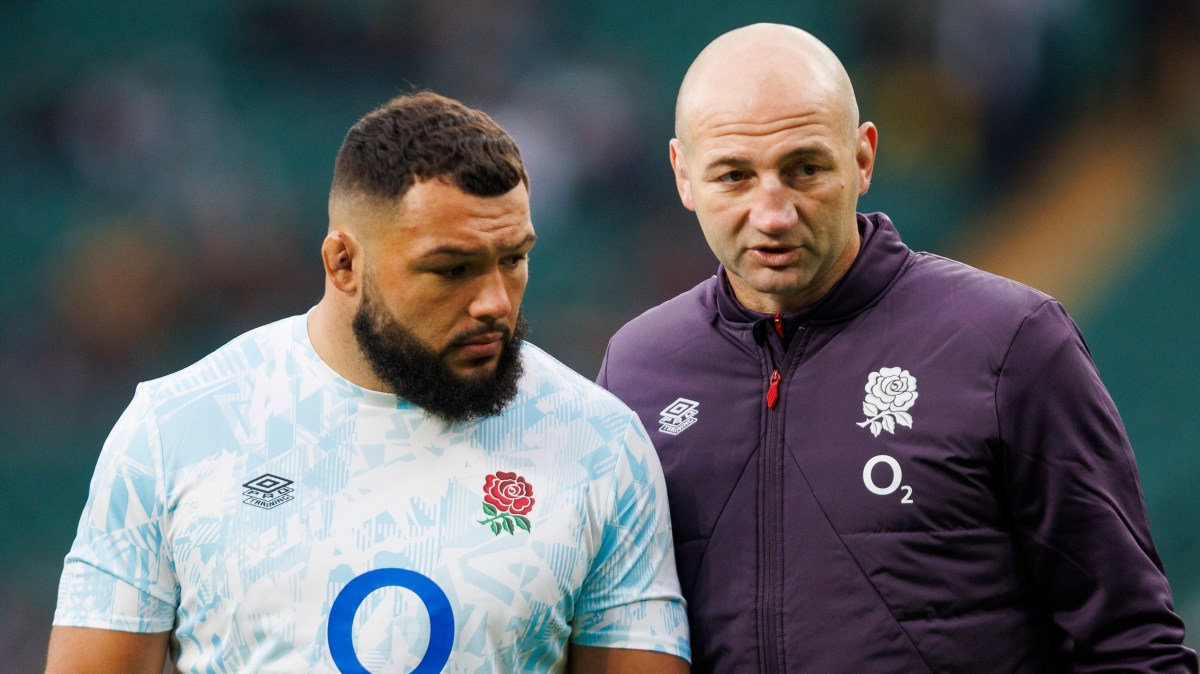
Let’s get this clear. Steve Borthwick is not addressing a crisis on the loose and tight-head side of the England front row. A crisis is when an entire rugby nation appears to be toppling towards the precipice. Wales, who England face at Twickenham in the first of their Six Nations matches on February 7, are a nation in crisis.
England are a nation with 11 consecutive wins to their name and a growing, if quiet, confidence in their game. They have a list of injuries at prop forward which would leave the England head coach with fragmented fingernails were this the World Cup. But this is a Six Nations — 1½ years out from the World Cup — and with injuries come opportunities.
Rarely are a sextet of prop forwards the most eye-catching of selections, but so it proved on Friday when Borthwick unveiled his initial 36-man squad for the Six Nations. The head coach backed up his frontline prop forwards with some not altogether surprising picks. At tight head he has chosen, when all are fit, England’s fourth and fifth options. Will Stuart and Asher Opoku-Fordjour’s injuries open the way for the extremes.
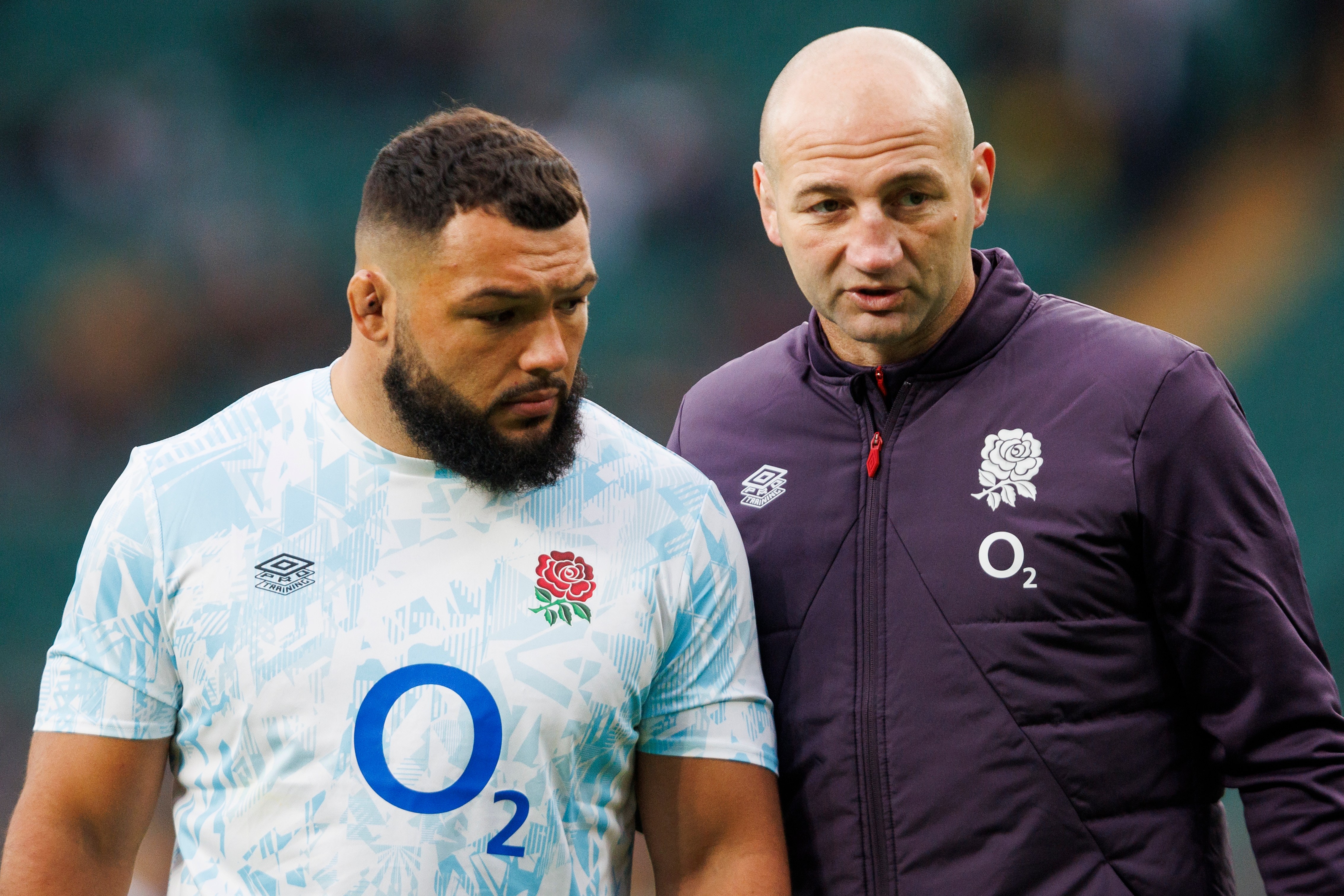
Genge is unlikely to last more than an hour, giving Borthwick a decision on when best to replace him
BOB BRADFORD/CAMERASPORT/GETTY IMAGES
Joe Heyes, the ever-improving Leicester Tigers tight-head, is the number one No3, so to speak, but Borthwick will have either an experienced, if only three-times capped, Trevor Davison or Bath’s 20-year-old Vilikesa “Billy” Sela as the rawest of inclusions. Such options would be a worry in Australia; here it is a glorious gift for Borthwick, an opportunity, especially to accelerate Sela’s development, and I would put the Bath man straight in to start against Wales.
On the loose-head side, Fin Baxter’s late withdrawal — for the early part of the competition, at least — undoubtedly hampers England. In the meantime, however, they have a pretty special loose-head in the shape of Bristol Bears’ Ellis Genge. Bevan Rodd is a solid alternative, while Northampton’s 25-year-old uncapped Emmanuel Iyogun is a more daring act of squad selection.
What will be even more fascinating than who is picked in the 23 is where they start. Genge has played a lot of Test-match rugby — for both the British & Irish Lions and England — from the bench. It seems inconceivable that he will not play at least an hour of the Tests. This leaves either Rodd or Iyogun set up to see out the final quarter, or whatever time span is beyond the Bristolian.

The Leicester tight-head Heyes is the pick of the options at No3
DAN MULLAN/RFU/GETTY IMAGES
If Genge is on from the start — until/if his legs and lungs cry “enough” — must England ensure sufficient end-game experience on the other side of the scrum? It may not affect the result against Wales, but experience may count for much thereafter. Heyes makes sense as the tight-head introduction at half-time, or even earlier.
“Delicate” isn’t the most overused of words in the vocabulary of the front row, but the balance of how and when Borthwick deploys his starting props could be a crucial component in this Six Nations. Get it wrong and it becomes a crisis. It is an interesting test of the manager.
Elsewhere the squad has just the one uncapped player to go with Sela and Iyogun. The in-form Exeter Chiefs No8 Greg Fisilau has dynamited his way into what is a back row bursting with options. If he is to be capped, it is likeliest to be against Wales or Italy, off the bench.
The latter is likelier because Borthwick will want a good 80 minutes against Wales to set them up for the acid test one week later in Edinburgh. The World Cup may be prioritised over a grand slam, but that’s not to suggest England would neglect the immediate glory.
Jamie George is the best technician of the hookers but the question is — again — does he start or play later in the game? Neither Luke Cowan-Dickie nor the talented but untrustworthy thrower, Theo Dan, can be trusted when the pressure mounts as it does through the course of a Test match.
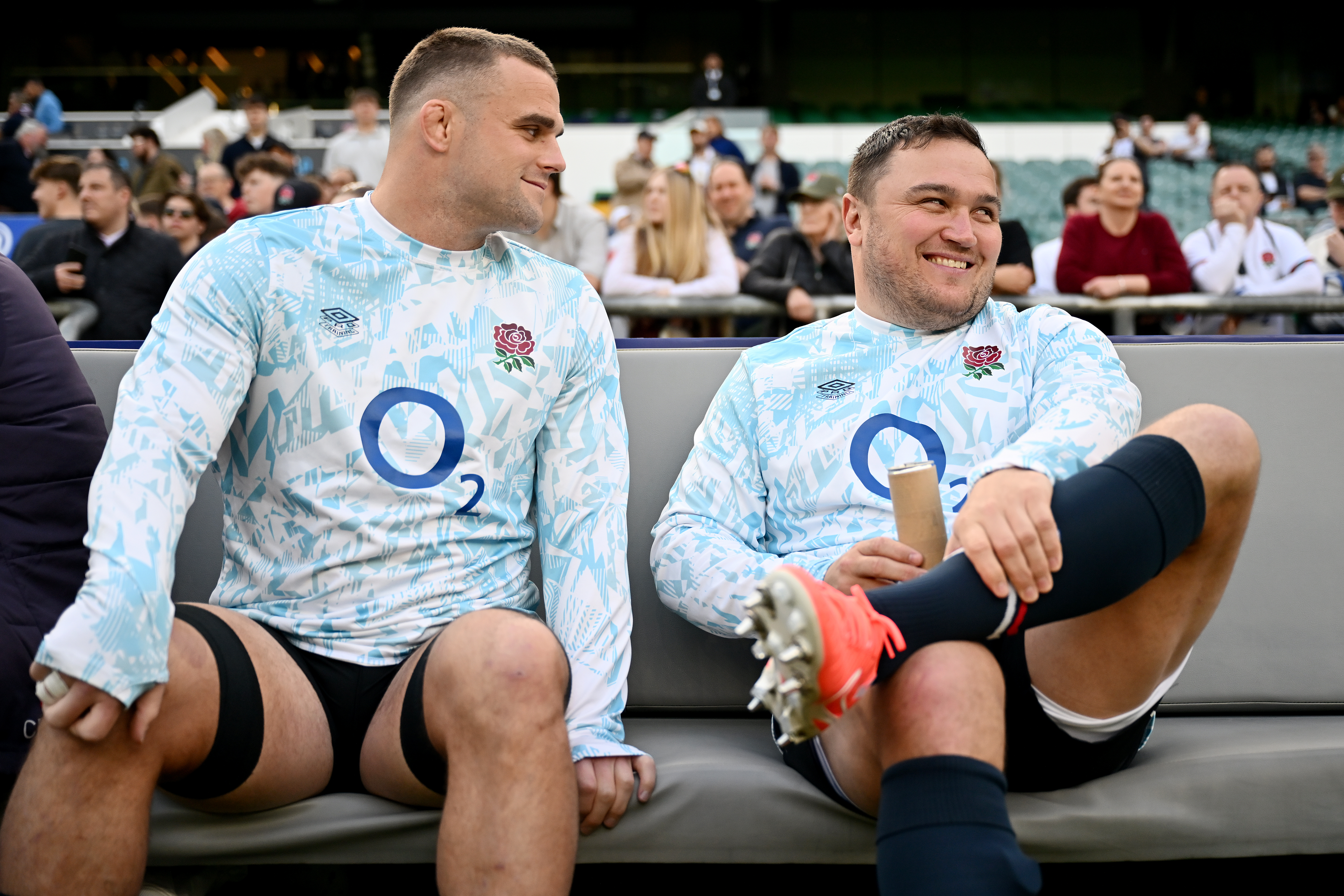
George, right, who will retire this year, is most valuable later in the game when the pressure is at its highest
DAN MULLAN/RFU/GETTY IMAGES
The manner in which European teams have been taking one another on at the lineout either indicates that the accuracy and nerve of someone like George is required, or that there is no such thing as a secure lineout any more. Of all the ever-changing trends in the sport, it is the manner in which defending lineouts get their jumpers both in the air and into the throwing hooker’s eyeline that fascinates and most alters the tactical shape of a match.
Maro Itoje and Ollie Chessum offer expertise and leadership, with Alex Coles a brilliant option from the bench to add extra firepower to the lineout in the second or back row. An English version of France’s spectacular, and oft-underused, talent Cameron Woki.
There’s little to say about the back row, other than it is packed with talent, variety and options, while at scrum half Northampton’s Alex Mitchell is the clear first choice but not necessarily the starter. If Borthwick wants to close out a game in traditional style, Ben Spencer is the obvious replacement but an England side intent on accelerating all the way to the final whistle would be all the sharper for introducing Mitchell just before half-time.
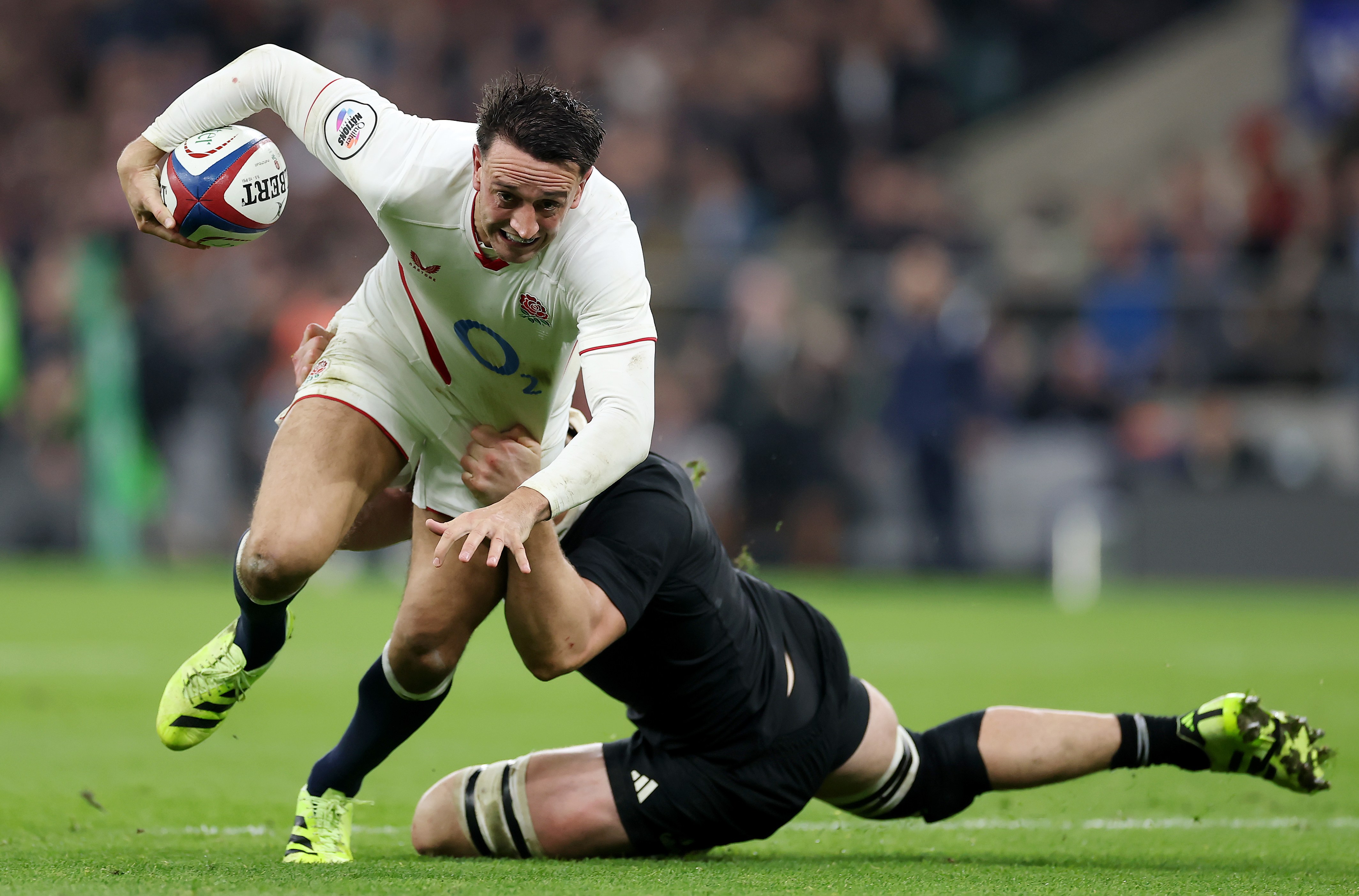
Mitchell is the first-choice scrum half but may be better used as a replacement
ALEX DAVIDSON/RFU/GETTY IMAGES
In the back line, Max Ojomoh would be my idea of a catalyst at No12, a subtle influence with a little more punch than Fraser Dingwall, playing off the shoulder of George Ford. On Friday night another potential England inside centre, Gloucester’s Seb Atkinson, offered a more direct and prominent performance than Ojomoh. But the Bath centre’s touch and his stunning effort against Argentina stands him in good stead. Selection cannot change on the balance of every weekend’s action.
As well as Ojomoh, there’s another footballing three-quarter in the squad in the shape of George Furbank. He is not match-sharp enough at the moment but the Saint is another player blessed with vision.
Much as Freddie Steward has improved his offensive game, it would be no surprise to see Furbank getting game time sooner rather than later. His presence is a major reminder that England are thinking, ahead of this Six Nations, to distant Australian horizons.
England v Wales
Six Nations
Saturday, Feb 7, 4.40pm
TV ITV