
Dixon of Dock Green will be ‘reincarnated’ in a new era of policing driven by ‘artificial intelligence’ and live facial recognition, cops have pledged.
Senior officers insisted the archetypal British bobby – who featured in the BBC drama from the Fifties to the Seventies – will be reborn as part of major reforms unveiled by Shabana Mahmood.
The Home Secretary has announced plans to slash the number of police forces in England and Wales from 43 to as few as 12, and create a new National Police Service with responsibility for tackling organised crime and counter-terrorism.
Labour‘s measures include a national roll-out of live facial recognition technology with the Home Office funding 40 more vans equipped with the cameras, bringing the total to 50.
It will mean all forces will for the first time have access to the cameras, which scan faces in the street and compare them with police mugshots to identify wanted criminals.
Forces will also roll out AI ‘chat bots’ to deal with non-urgent queries from victims of crime, the Home Office’s police reform White Paper said.
Police 999 control rooms will use ‘AI-assisted operator services’ to help call handlers deal with tasks more effectively, it said.
Police top brass suggested the British officer would become more akin to Robocop – bristling with technology at their fingertips.
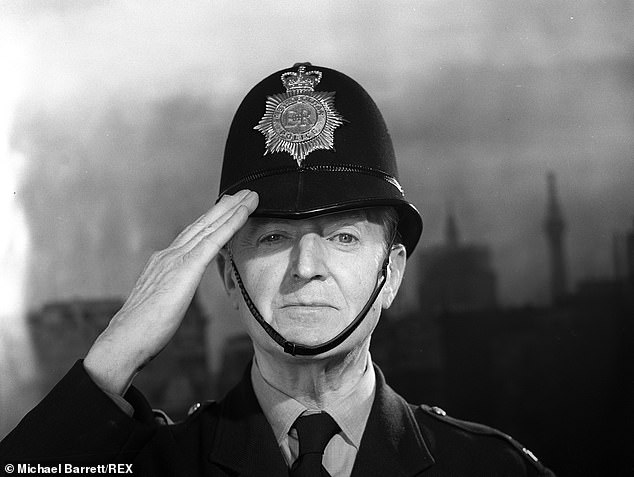
Jack Warner as Pc George Dixon in Dixon of Dock Green, the long-running BBC serial
Asked if the proposals meant the end of the traditional British beat bobby, Sir Andy Marsh, chief executive of the College of Policing, said: ‘Dixon of Dock Green is not dead. He or she is reincarnated into 2026.’
Matt Jukes, deputy commissioner of the Metropolitan Police, said: ‘The difference for Dixon of Dock Green after these reforms is that in his or her hand will be officer-controlled facial recognition technology.
‘[There] will be AI leading them to prioritise the work in their area, [there] will be knowledge that if they need specialist support consistently across the country that will be available.’
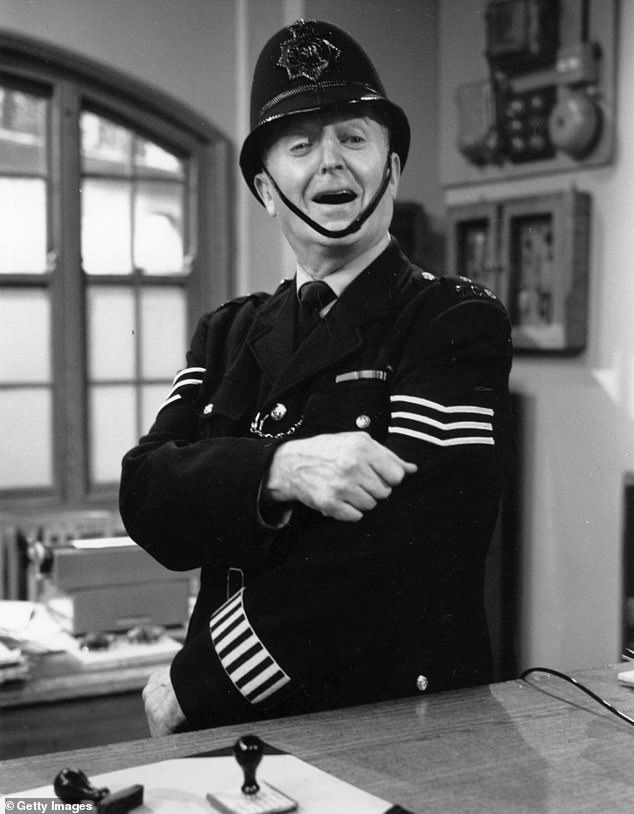
Dixon of Dock Green, featuring Jack Warner, ran for more than 20 years on the BBC, typifying the parochial approach to British policing
He added: ‘I would love to be the Dixon of Dock Green in 2030 with all of what’s promised by these reforms around me and in my hands.’
Ms Mahmood believes the reorganisation will save money and allow police officers currently working in backroom jobs to diverted back to the frontline.
Officials said the current 43 police force set-up, which dates from the Sixties, was ‘absurd’.
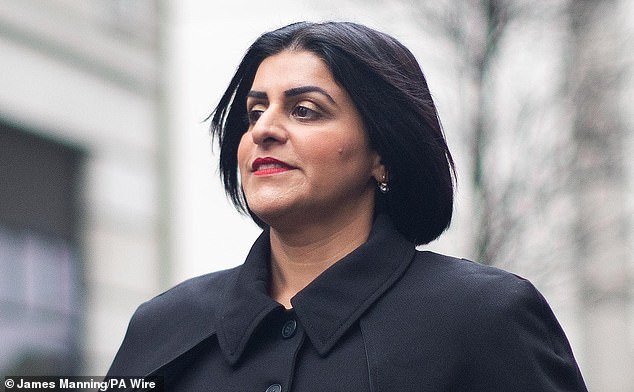
Home Secretary Shabana Mahmood has announced a series of sweeping changes to policing in England and Wales
The Home Secretary will also get new powers to sack under-performing chief constables, and forces will face a series of new targets on response times.
However, the reforms have been criticised by police and crime commissioners (PCCs), which Ms Mahmood had already announced will be scrapped as part of the shake-up.
Hertfordshire PCC Jonathan Ash-Edwards said cutting the number of forces would leave rural areas with leftover ‘scraps’.
‘Bigger does not mean better. Huge regional police forces will be slower to respond, less interested in local priorities, harder to hold to account and more likely to divert resources away from neighbourhood policing,’ he said.
‘Regional forces will see resources pulled into cities and big urban centres, leaving towns and rural areas with scraps.
‘Time and time again, taxpayers see that top-down public sector reorganisations and mergers are expensive, distracting and rarely deliver the savings and benefits promised.’
Chairwoman of the Association of Police and Crime Commissioners Emily Spurrell said: ‘Policing must be rooted in the local communities it serves, and this planned structure will place unprecedented power in the hands of just two people at the centre – the Home Secretary and the Commissioner of the new National Police Service.
‘This concentration of policing power in England and Wales is constitutionally alien and brings enormous risks.
‘It must be balanced by robust scrutiny and oversight.’
Chris Philp, the shadow home secretary, accused the Government of being ‘engaged in a con trick’ over total officer numbers.
Speaking in the Commons, he said: ‘They are transferring officers away from crime investigation, away from 999 response, and away from other teams into neighbourhood teams.
‘There will be fewer 999 response officers, fewer investigation oficers, response times will be slower and investigations will not be as effective.’
Only one ‘pathfinder’ merger is expected to be completed before the next general election in 2029.
The Home Office said the rest, and the full set-up of the new national police force, would take place in the next parliament, if it is assumed Labour win the next election.
Fictional policeman George Dixon, played by actor Jack Warner, first appeared in the 1950 film The Blue Lamp.
The copper – catchphrase ‘Evening, all’ – then featured in more than 400 episodes of the BBC drama Dixon of Dock Green from 1955 to 1976.
Meanwhile, the 1987 movie Robocop featured a very different vision of policing, with a Detroit cop – played by Peter Weller – resurrected as a crime-fighting cyborg after being murdered by ultra-violent criminals.