
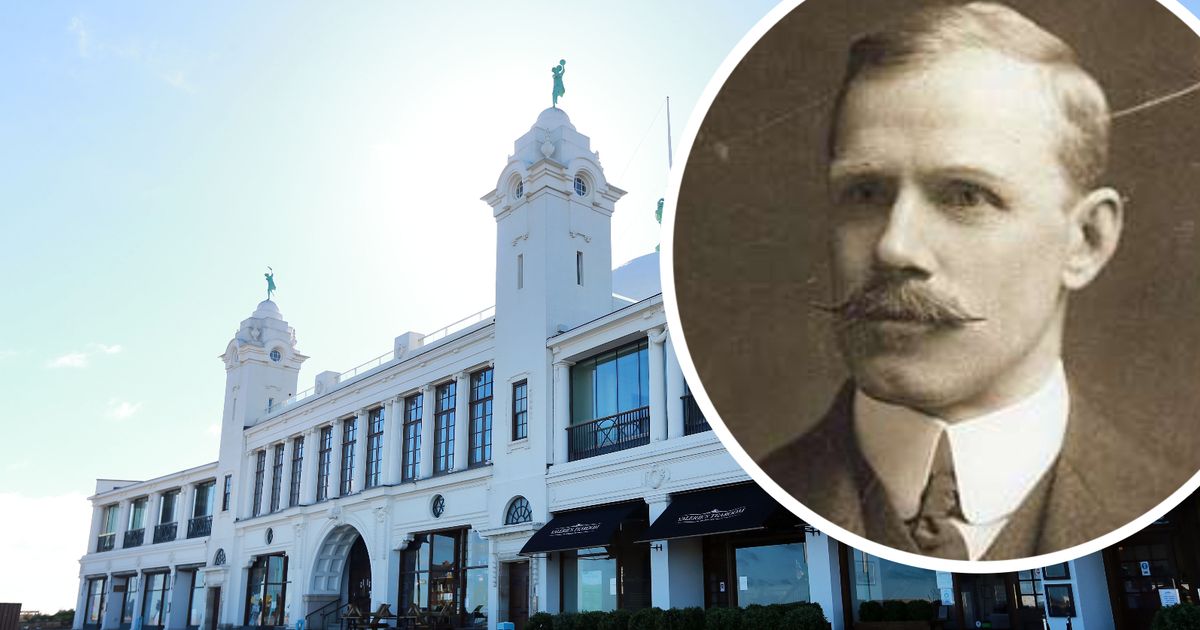
Robert Burns Dick, who lived from 1868 to 1954, is credited with designing over 20 well-known buildings that are still in use today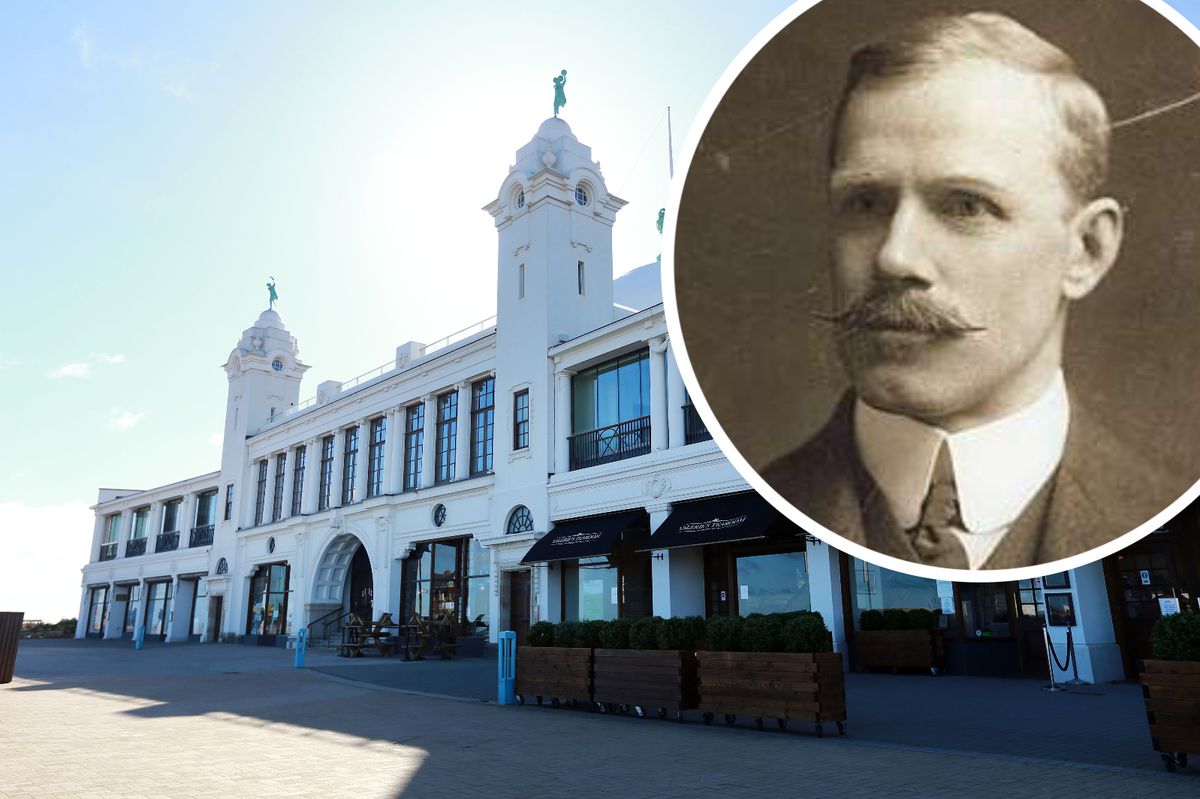
Robert Burns Dick, a North East architect who designed iconic buildings like the Spanish City, and has been honoured with a tribute(Image: Newcastle City Council)
A tribute has been made honouring a ‘forgotten’ North East architect who designed iconic buildings like the Spanish City. Robert Burns Dick, who lived from 1868 to 1954, is credited with designing over 20 well-known buildings that are still in use today.
They include the aforementioned Spanish City in Whitley Bay, Newcastle’s Laing Art Gallery, Newcastle University Students Union, Market Street police station, Pilgrim Street fire station and the towers of the Tyne Bridge, as well as many others.
The post First World War period brought with it a desire for “homes fit for heroes”, with Burns Dick involved with the development of council estates such as Pendower Estate in Newcastle’s west end. A plaque bearing his name was unveiled there, on the headquarters of the Good Neighbour Project in Sunnybank Avenue.
The Lord Mayor of Newcastle, Cllr Henry Gallagher, who unveiled the plaque, said: “Robert Burns Dick made a considerable contribution to the architectural heritage of the city, the region and beyond.
“He’s been described as the unknown architect but the buildings he designed are far from unknown. They are as much a part of our region today as they were when he first designed them. That is testimony to his greatness as an architect”.
Born in Stirling, Scotland, Burns Dick moved to Newcastle as a child and attended the Royal Grammar School. He went on to attend Art School after this, but he soon developed a passion for designing buildings.
He joined Mr W Lister Newcombe in the city in 1883, before going into partnership with James T Cackett to form Cackett & Burns Dick in 1898. He became involved in municipal housing and designed the Pendower council estate based on the layout of an English village with 12-18 houses per acre, rather than the usual 20 at the time.
Burns Dick was a founding member of the Newcastle Upon Tyne Society in 1924, to Improve the Beauty, Health and Amenities of the City, which intended to regenerate the city centre. In 1929 the group changed its name to the Northumberland and Newcastle Society, who have campaigned for the plaque in the present day.
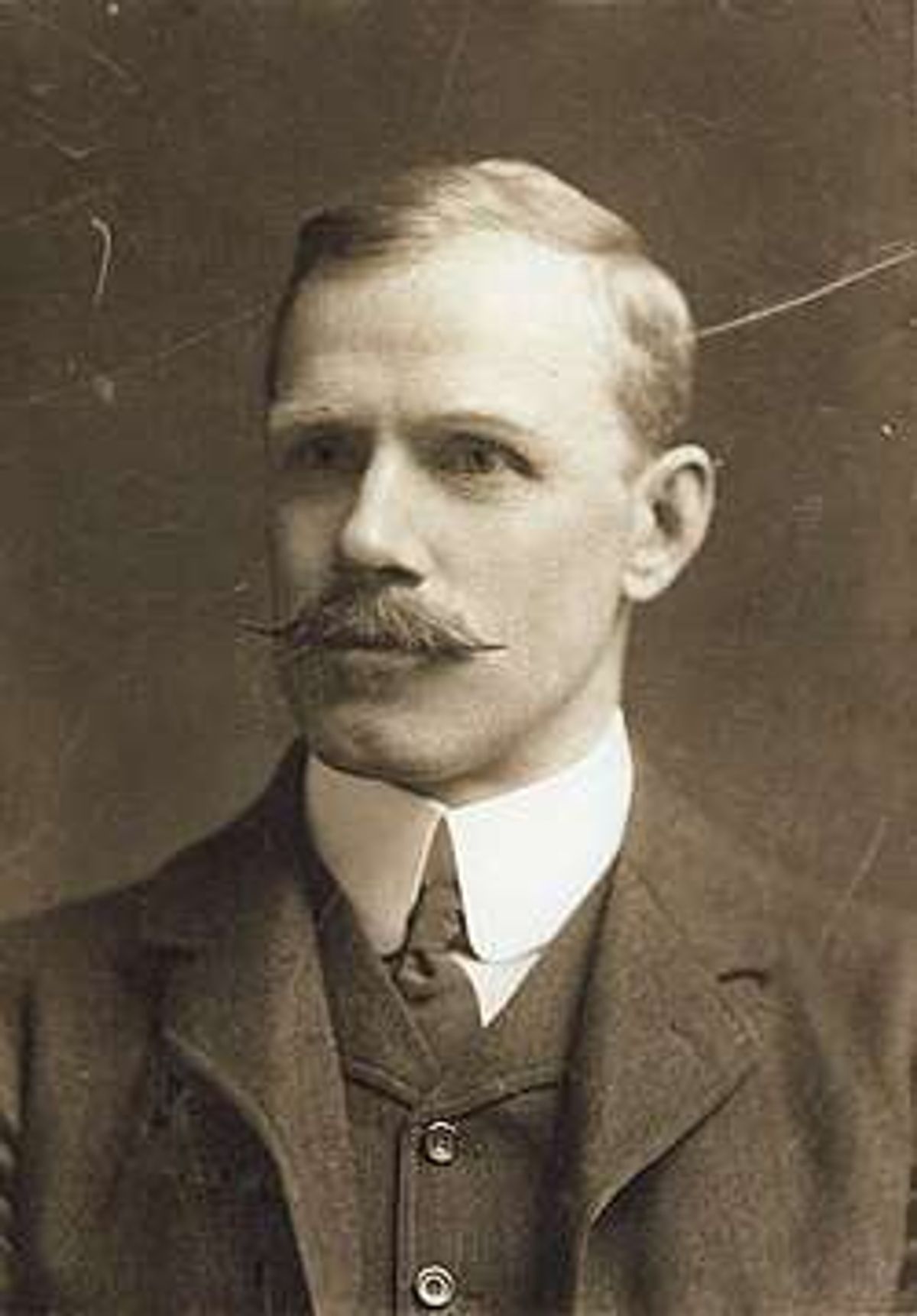
Robert Burns Dick, a North East architect who designed iconic buildings like the Spanish City, and has been honoured with a tribute(Image: Newcastle City Council)
Group Chairman John Matthews also said: “I am delighted that we now have a plaque in Newcastle dedicated to Robert Burns Dick in recognition of his involvement in so many of the city’s historic buildings, which have stood the test of time and have been successfully repurposed for practical use in the 21st century.
“Although he was born in Scotland, he was very much an adopted Geordie, living at various addresses in the city before moving to Surrey on his retirement. He is buried in Newcastle which underlines his love for this city”.
Other notable landmarks that Burns Dick was involved with were Pilgrim House and Cross House in Newcastle, the Armstrong Naval Yard in Walker, extension works at A Reyrolle and Co in Hebburn, and Berwick police station which opened in 1901.
The proposal for the plaque was submitted by the Northern Architectural Association, which Burns Dick was the president of from 1914 to 1918. Current president Neil Barker said: “He was a very talented man, and not just an architect of some repute but an artist and town planner.
“As early as 1925 he proposed a series of improvements to the layout of the city centre which he considered necessary to meet existing and future traffic problems. He himself was chauffeur driven to work in a Daimler, and architects would stand to attention at their drawing boards as he walked through the office.
Robert Burns Dick died in a care home in Surrey aged 86, but he was returned to his beloved Newcastle, and is buried in a simple plot with a modest headstone in Elswick cemetery.
Neil Barker added: “His legacy through architecture can be seen all around us in Newcastle and he thoroughly deserves this accolade”.
Our ChronicleLive Daily newsletter is free. You can sign up to receive it here. It will keep you up to date with all the latest breaking news and top stories from the North East.
 Join our WhatsApp communities
ChronicleLive is now on WhatsApp and we want you to join our communities.
We have a number of communities to join, so you can choose which one you want to be part of and we’ll send you the latest news direct to your phone. You could even join them all!
To join you need to have WhatsApp on your device. All you need to do is choose which community you want to join, click on the link and press ‘join community’.
No one will be able to see who is signed up and no one can send messages except the ChronicleLive team.
We also treat our community members to special offers, promotions, and adverts from us and our partners.
If you don’t like our community, you can check out any time you like. To leave our community click on the name at the top of your screen and choose ‘exit group’.
If you’re curious, you can read our privacy notice.
Join the ChronicleLive Breaking News and Top Stories community
Join our Court & Crime community
Join the Things to do in Newcastle and the North East community
Join our Northumberland community
Join our County Durham community
Join our Great North Run community