
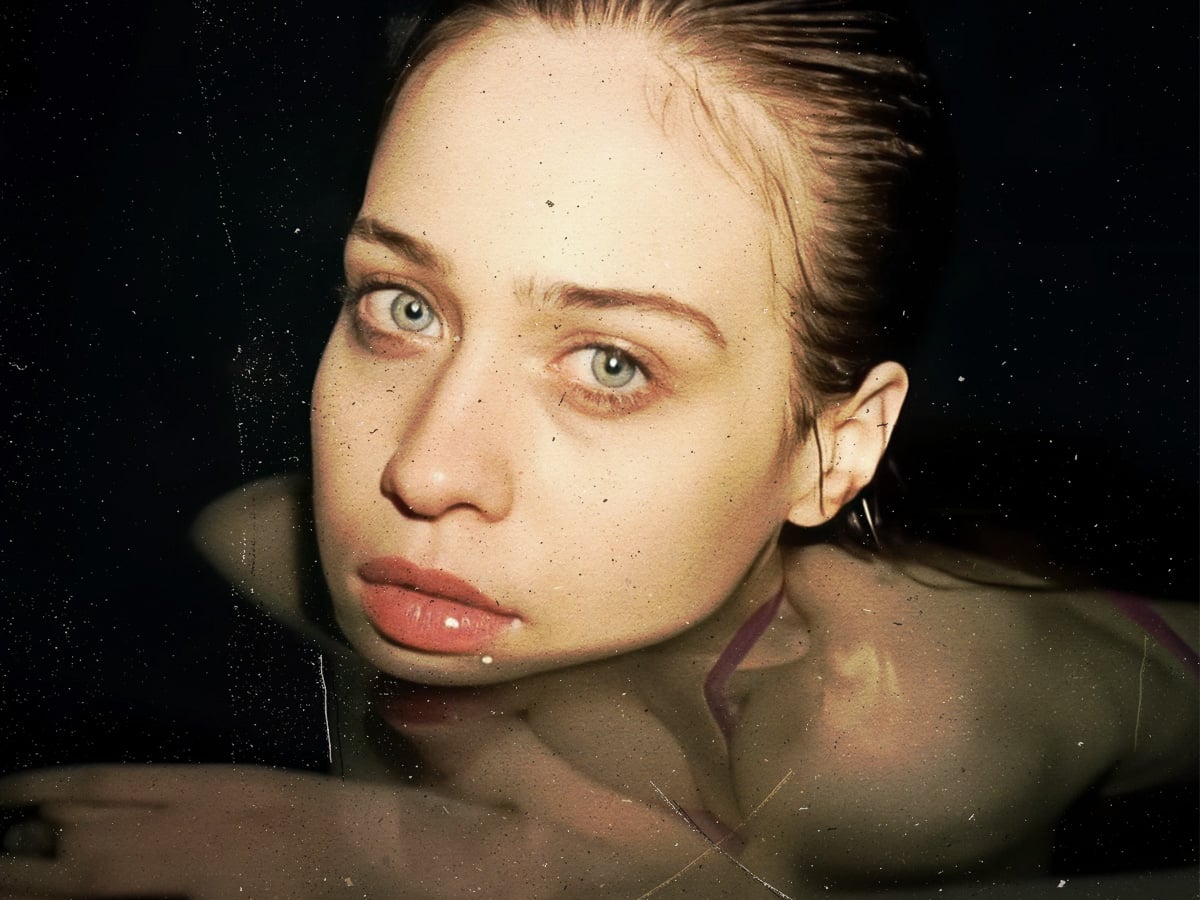
(Credits: Far Out / YouTube still)
Mon 26 January 2026 23:00, UK
When people talk about prodigious musical talents who burst into the spotlight as teenagers, one of the first names many tend to gravitate towards is Fiona Apple.
Her debut album, Tidal, was released while she was still only 18 years old, and many of the songs stemmed back from even earlier than this, with her having played the piano since her early childhood. Those who were privileged enough to have heard the album at the time of its release knew that it was quite remarkable that someone so young could write with such maturity and conviction, and understandably, she was tipped for stardom as a result of it, winning a multitude of accolades for this stunning release.
This projection wasn’t exactly untrue, with her still remaining a widely respected talent to this day, but the rate at which she began to release music turned out to be slower than most would expect a prospective star to work at, and it was as a result of the intense hubbub that surrounded her that she became resentful of the music industry as a whole.
Constant media attention is enough to get under the skin of even the most experienced musicians, but given how suddenly she was placed under a microscope by the music press from such a young age, this led her to become significantly more reserved about being in the spotlight, with immense pressure being placed on her to live up to expectations.
As a consequence, she opted to take three years in between the release of Tidal before releasing her second album, When The Pawn, and then six years later she delivered Extraordinary Machine, with the years in between getting increasingly long as time moved on. In the meantime, there was very little in the way of touring and publicity happening, and yet she remained highly regarded in spite of her withdrawal from public life.
 Fiona Apple in the music video for her 1996 hit, ‘Shadowboxer’. (Credits: Far Out / YouTube Still)
Of course, this also led to speculation from one faction of fans that Apple was unwell, which further fuelled frustration from the other side, who were adamant that Apple wanted to be left alone. Given how her music has always touched on heavier and incredibly personal topics, adding to this conversation was neither warranted nor helpful to the situation.
However, her label knew that in order to protect her, the last thing they ought to do was push her to release music when she wasn’t comfortable with doing so. Given how elaborate and detailed her work was, and how this was a large part of why she had attracted so much noise in the first place, hurrying her to work to their demands was only going to stifle her creativity.
Had they demanded that she follow up Tidal in just one to two years, When The Pawn would likely have never been as spectacular as it was, and could easily have brought her career crashing down just as rapidly as it had ascended. Similarly, Extraordinary Machine, while not perfect, was not an album that required rushing, and during the interim period between her second and third albums, the only song she wrote in one of the six years was ‘Waltz (Better Than Fine)’, a song that directly argues how she’d rather be left to her own devices and work on her own terms.
She could only be encouraged to commit fully to returning to the studio for this album by her producer and friend, Jon Brion, and even then, it was fully on her terms, and nobody else’s, as she ended up scrapping much of the recording sessions she made with him in favour of working with another producer. It’s fair to say that Apple’s constant dedication to only emerging when it feels right for her is actually what has helped her retain any relevancy, even though Tidal is closing in on being 30 years old, and with her only having released a total of five albums in that duration of time.
The main underlying point about this is that they’re all perfect, simply because those closest to her recognised that she’s an artist who needs space to thrive, and that piling on immense pressure in the way they did upon the release of Tidal would have been nothing but a detriment to her career prospects. It’s a blessing we were given Tidal, and even more of a blessing that everything else after it was able to come to fruition.
Related Topics