
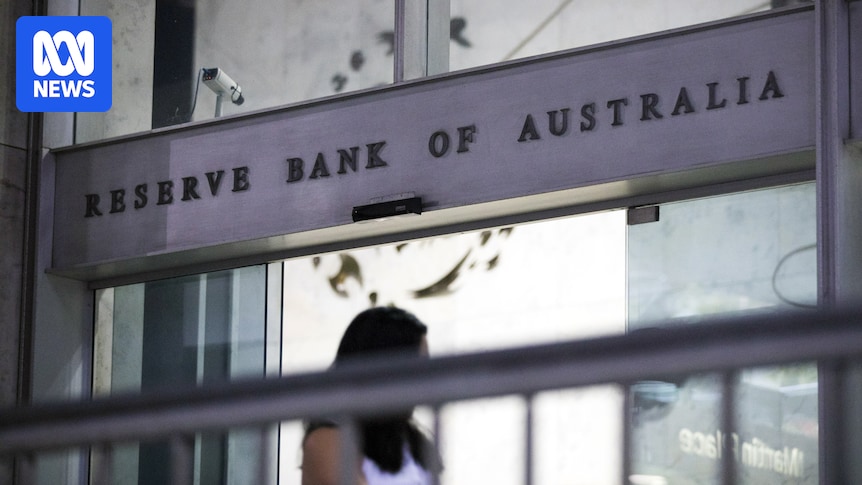
This result is seen as key for the Reserve Bank’s decision, next week, about changing the cost of money.
That interest rate call is influenced by inflation – the speed of price rises, an indication of too much “heat” in the economy.
Also factoring in, the unemployment rate, our housing market and much more. But inflation is key.
Here’s Devika Shivadekar, the top economist at RSM Australia,with her thoughts. Some good stuff in here:
“December’s CPI print confirms inflation remains sticky rather than re-accelerating, but the details matter.
“Headline inflation lifted to 3.8% year-on-year, driven largely by housing and discretionary services, while the trimmed mean edged higher to 3.3%, signalling only a marginal firming in underlying pressures.
“Housing inflation (5.5%) continues to do the heavy lifting, though this is overwhelmingly an electricity story rather than broad-based cost escalation. Once government rebates are stripped out, electricity prices rose a modest 4.6% over the year, unchanged from November and consistent with annual retailer price resets rather than fresh inflationary momentum.
“Rent inflation continued to ease (3.9%), reflecting stabilising vacancy rates, reinforcing the view that housing inflation is peaking rather than re-igniting.
“Beneath the surface, services inflation remains the key challenge for the RBA, lifting to 4.1% and reflecting strong seasonal demand rather than entrenched overheating.
“The sharp rise in recreation and culture inflation (4.4%) was driven by holiday travel and accommodation, which surged on Christmas, summer holidays and major events, while food inflation ticked slightly higher due to weather-related supply disruptions and global demand for Australian red meat.
“Importantly, the December quarter CPI rose just 0.6%, with the quarterly trimmed mean at 0.9%, consistent with gradual disinflation rather than a loss of control. Taken together, today’s data supports a narrative of uneven but moderating inflation, where pockets of price pressure persist, yet the broader trajectory continues to grind lower rather than justify an imminent policy response.
“From a policy perspective, February remains finely balanced, with the trimmed mean and quarterly CPI far more decisive than labour market data. Historically, the RBA has viewed a tight labour market as a risk to the outlook rather than a direct trigger for tightening. On balance, a hold remains the more defensible outcome, particularly when domestic inflation dynamics are set against heightened and asymmetric global risks that could escalate quickly and threaten broader financial stability. This approach would still allow the RBA to strike a firmer tone in its communications, reinforcing that further tightening remains on the table should inflation prove more persistent than expected.
“That said, the RBA’s patience may be wearing thin. A February hike cannot be ruled out if the Board judges that establishing a firmer policy stance early in the year is preferable, even if followed by a prolonged period on hold.
“As such, we see the February decision as a narrow call, around a 55:45 proposition with the RBA potentially opting to move pre-emptively and hike now rather than risk having to tighten more forcefully later.
“Should the RBA choose to hold, expect some stern messaging from Gov Bullock at the press conference and a hike may not be too far away.”