
(Credits: Alamy)
Tue 27 January 2026 19:15, UK
The rose-tinted view of it all is that being in a band is all fun and games. It’s gigs and beer, laughing backstage, travelling around playing card games in a splitter van and pulling over to get junk food from service stations before going off again on more adventures. But anyone who has ever been in a band, or spent any matter of time around one, knows that’s not exactly the truth.
In reality, being in a band is like taking the very concept of democracy and putting it to the ultimate test. A small group, endless decisions and the ever-changing, impassioned creative brain in tandem, it doesn’t make for an easy ride.
That’s why so many bands have come to explosive ends, from acts on your local scene tearing friendship groups apart, to world-renowned musical leaders having dramatic and public bust-ups. Some examples? The Smiths’ fiery fall out at the peak of their fame, the Gallagher brothers not even being able to hold a band together with blood, and Fleetwood Mac shattering into pieces again and again.
Or how about the Yardbirds, a band that launched a list of true legends, but that couldn’t make it work.
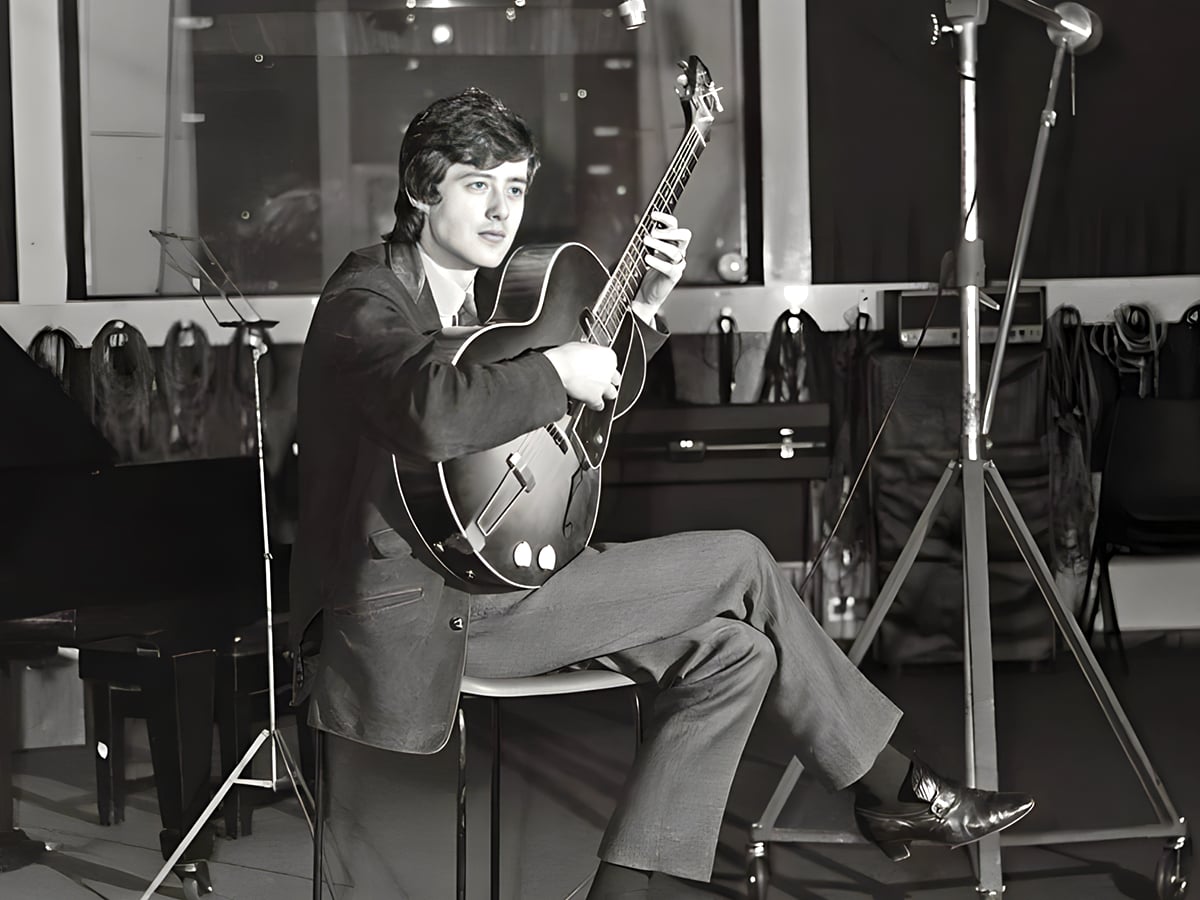
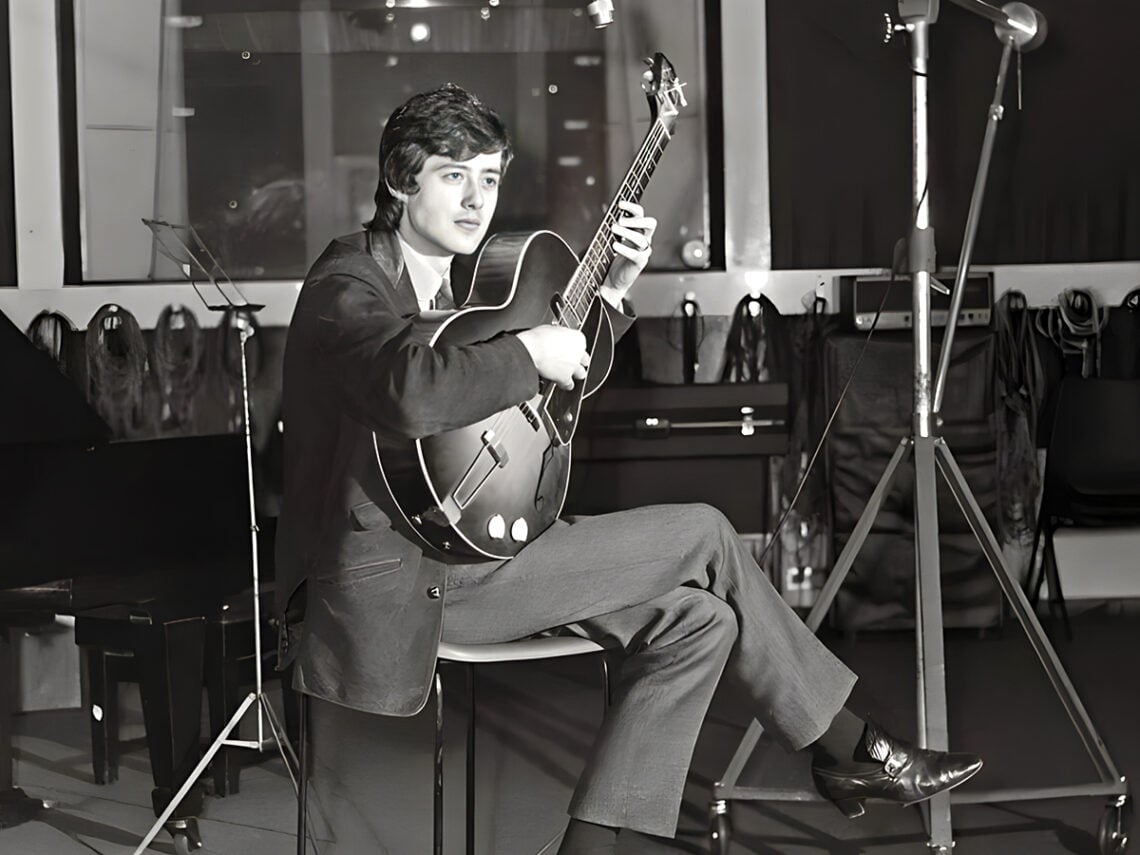
As one of those heroes launched by the band, Jimmy Page joined the lineup in 1966. By that point, the band had been going for a while with a rotating cast. One of the most famous stories to come from the act was the rivalry it launched between Eric Clapton and Jeff Beck after Beck was brought in as Clapton’s replacement. Piling the pressure onto Beck’s shoulders, the press became obsessed with pitting the two against each other.
But when Page joined the fold, it was a different situation. Beck hadn’t quit yet, so for a while, the two were working together, both playing lead and rhythm guitar somehow.
That’s not completely wild and unknown. The Rolling Stones famously do it successfully with Keith Richards and Ronnie Wood, or Keef and any of their other old players before that. So when Page joined the Yardbirds, he’d hoped he and Beck would create the same full rock and roll sound. However, while it can work, they quickly learned it’s tough to get it to, and even tougher to keep it working.
“Sometimes it worked really great, and sometimes it didn’t,” Page reflected to Guitar Player. There were simply too many moving parts as he explained, “There were a lot of harmonies that I don’t think anyone else had really done, not like we did. The Stones were the only ones who got into two guitars going at the same time, like on old Muddy Waters records. But we were more into solos rather than a rhythm thing.”
Really, it was doomed from the start. Both Page and Beck were too talented and too interesting as players to be stuck in each other’s shadows or wasting time battling it out. Both were always built for the spotlight, so asking them to share it was never going to work.
It especially wasn’t going to work when it began to feel like Beck was purposefully trying to upstage Page. “The point is, you’ve got to have parts worked out, and I’d find that I was doing what I was supposed to, while something totally different was coming from Jeff,” Page said, “That was all right for the areas of improvisation, but there were other parts where it just did not work.”
Clearly, Beck didn’t want to share his job, and after a period of butting heads trying to make it work, he quit, leaving the position in Page’s capable hands. However, by then, Page didn’t really want it either, only holding it down for two years until he left it to launch Led Zeppelin, where he wasn’t battling another player for the shine in an act of his own design.
Related Topics