


You may find you’re craving certain foods more because it is winter.
(yacobchuk via Getty Images)
While we may crave specific foods all year-round, typically, our hankerings for comfort food tend to step up a notch in winter.
It’s not always a physical need that inspires these tastes, however. Yes, cold weather can mean we use more energy and need food to help conserve heat, but often our cravings can be more psychological – an emotional support when we’re feeling low.
That said, if our cravings are for unhealthy foods that contain high amounts of sugar, fat, and salt, we may end up feeling worse, as we are not nourishing our bodies correctly.
With that in mind, Dr Babak Ashrafi of Superdrug Online Doctor explains to Yahoo UK what our bodies actually need when we have cravings, and suggests healthier swaps.
Common cravings and healthier food swaps
Do you have a sweet tooth?
(DMP via Getty Images)Sweets and chocolate
According to Dr Ashrafi, it is common for people to fancy a sweet treat in the evening. A recent survey, for example, found one in five adults craves sugar after dinner or late at night.
“When sugar is consumed, it is rapidly absorbed into the bloodstream as glucose, raising blood-glucose levels and triggering insulin release, allowing cells to use it for immediate fuel,” the expert explains.
“This produces a short-term boost in perceived energy and stimulation, which helps explain why sweets are craved later in the day when people often feel mentally or physically depleted.”
However, because refined sugar is digested quickly, blood glucose can fall soon after.
“This results in a ‘crash’ which may cause fatigue, reduced concentration and renewed hunger,” Dr Ashrafi continues. “Some studies have linked low magnesium intake with increased sweet preference, although the stronger driver is usually unstable blood sugar rather than a true deficiency.”
What the body is typically missing when it craves sugar, then, is sustained energy and satiety – not the sugar itself.
Healthier swaps:
“Instead of opting for a sweet snack, choose options that combine healthier carbohydrates with protein or fat. These can help stabilise blood glucose and reduce rebound cravings,” Dr Ashrafi says.
He suggests:
A small portion of dark chocolate with nuts

Perhaps you get your sugar fix in drink form.
(Grace Cary via Getty Images)Sugary drinks
A craving for sugary drinks is often driven by dehydration or unstable blood glucose, rather than our bodies needing sugar specifically, per the doctor.
“When our fluid intake is low, the brain can often misinterpret this as hunger, rather than just thirst,” he says.
“When sugary drinks are consumed, they create a sharp rise in blood glucose, followed by a steep drop, which can further trigger the desire for more fast-absorbing carbohydrates, such as more sugary drinks.
“This creates a craving cycle without addressing the need to restore hydration or increasing sustained energy, as what the body is missing is fluids and steady fuel.”
Healthier swaps:
“Alongside just ensuring you are hitting your recommended fluid target, which is about 2 to 2.5 litres of fluid a day, or more for those who are physically active, you could introduce some healthier swaps that offer a slight sweetness and flavour, all while offering hydration and avoiding the glucose spikes that perpetuate cravings,” Dr Ashrafi adds.
He suggests:
Sparkling water with lemon or berries

Is fried food your kryptonite?
(Iuliia Bondar via Getty Images)Fried, fatty foods
Sometimes, a craving for a takeaway is simply the ease of getting food delivered; however, if you find yourself actually craving fried foods themselves, Dr Ashrafi notes it is likely due to low satiety and poor fat quality in the diet.
“Fat in diets helps slow digestion and supports fullness, but when meals lack healthy fats and proteins, hunger hormones increase, leaving the brain seeking energy-dense foods,” he says.
“Fried foods strongly stimulate reward pathways but provide limited nutritional benefit. When the body is craving this type of food, it is signalling that it is missing a source of slow-digesting energy and essential fatty acids, not deep-fried items.”
Healthier swaps:
Instead of swiping through the food delivery apps, the doctor suggests opting for foods that help you feel fuller or supply beneficial fats.
He suggests:
Oven-baked potatoes or wedges
Meals prepared with olive oil, nuts, seeds, or oily fish
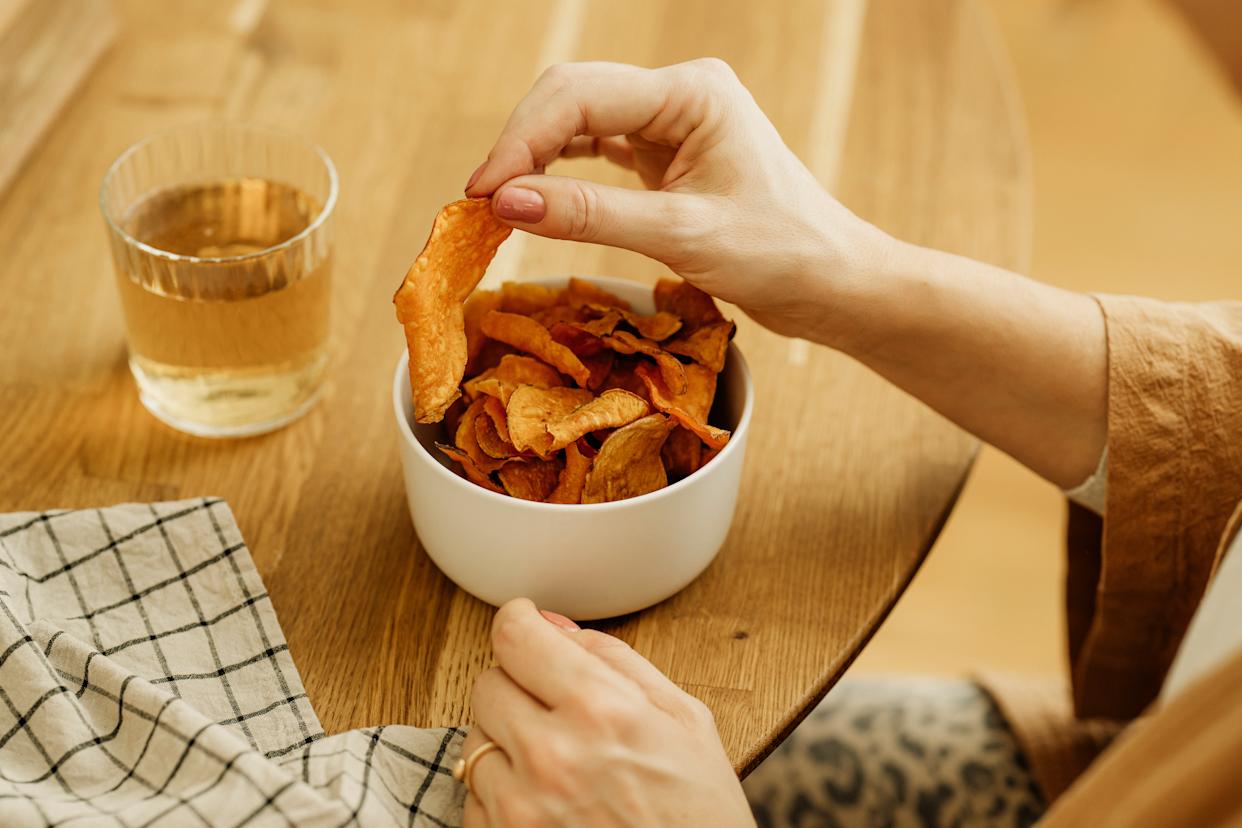
You may prefer snacking on salty crisps.
(knape via Getty Images)Salty foods
“Salt cravings are more often linked to dehydration and an electrolyte imbalance than a genuine sodium deficiency,” the GP tells Yahoo UK. “After sweating, stress or simply not drinking enough water, the body seeks flavours associated with fluid retention and reward. However, most UK adults already consume more salt than recommended, so cravings usually reflect behaviour and hydration rather than a true need for more sodium in their diet.”
These salty cravings can signal that the body is likely missing essential minerals, such as potassium and magnesium, rather than simply needing more sodium.
Healthier swaps:
Dr Ashrafi advises: “If you find yourself craving salty foods, firstly, you should ensure you are properly hydrated, then try swapping your usual salty go-tos for alternatives with less sodium. This will help support hydration and electrolyte balance without increasing sodium intake.”
He suggests:
Air-popped popcorn with light seasoning
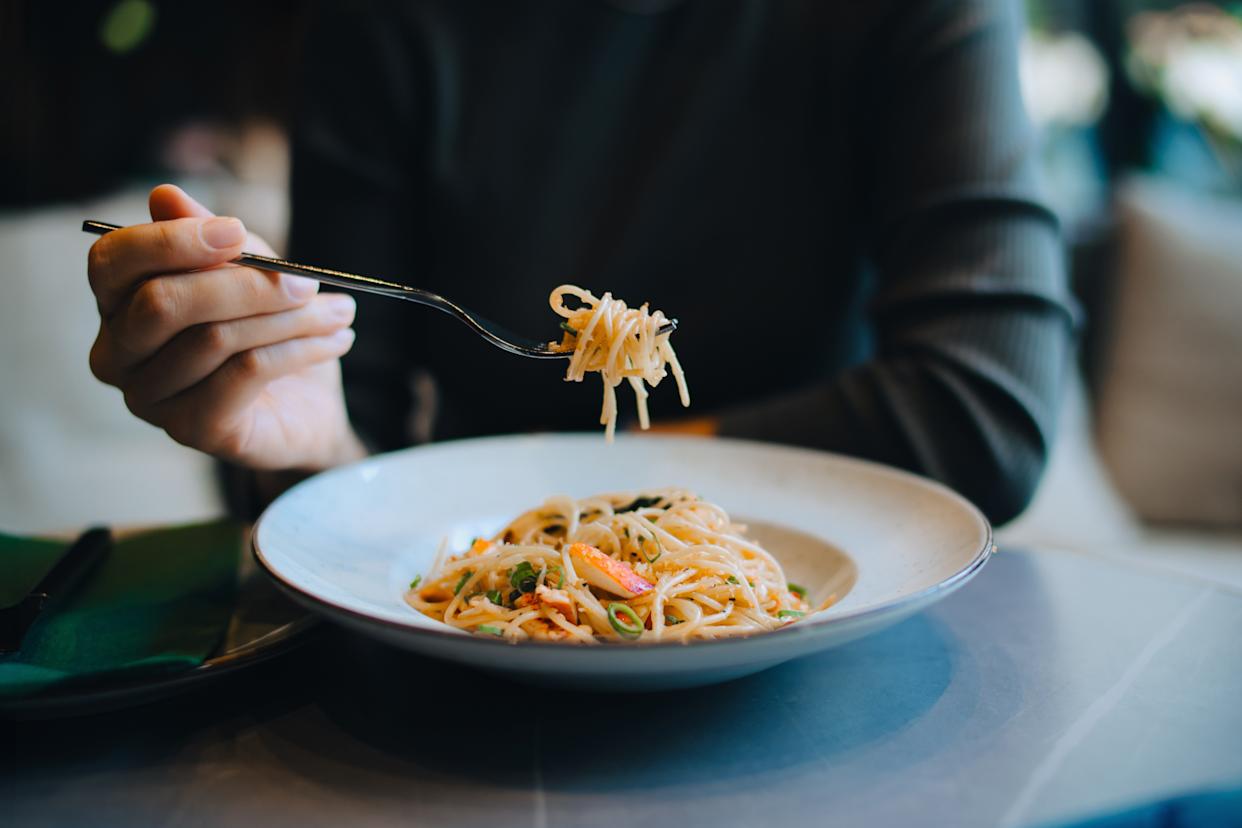
Many of us enjoy a hearty bowl of pasta from time to time.
(d3sign via Getty Images)Carbs
“Cravings for refined carbohydrates tend to occur in a similar way to craving sugary snacks; they typically happen when the body needs accessible energy and better appetite regulation,” the doctor notes.
“If the meals you consume are low in fibre, protein, or total calories, hunger hormones rise, and the brain seeks quick fuel. These refined carbs digest rapidly, which temporarily satisfies the body’s energy demand but then fails to keep it full for an extended period. What the body is missing when craving carbs are sources of slow-release energy and fibre.”
Healthier swaps:
Consider swapping your favourite carbs for wholegrain alternatives and ideally pair them with a source of protein.
According to the expert, this combination slows digestion, stabilises glucose and helps reduce cravings.
He suggests:
Wholegrain bread or pasta
Protein such as eggs, beans, chicken, fish, or tofu