
Your support helps us to tell the story
From reproductive rights to climate change to Big Tech, The Independent is on the ground when the story is developing. Whether it’s investigating the financials of Elon Musk’s pro-Trump PAC or producing our latest documentary, ‘The A Word’, which shines a light on the American women fighting for reproductive rights, we know how important it is to parse out the facts from the messaging.
At such a critical moment in US history, we need reporters on the ground. Your donation allows us to keep sending journalists to speak to both sides of the story.
The Independent is trusted by Americans across the entire political spectrum. And unlike many other quality news outlets, we choose not to lock Americans out of our reporting and analysis with paywalls. We believe quality journalism should be available to everyone, paid for by those who can afford it.
Your support makes all the difference.Read more
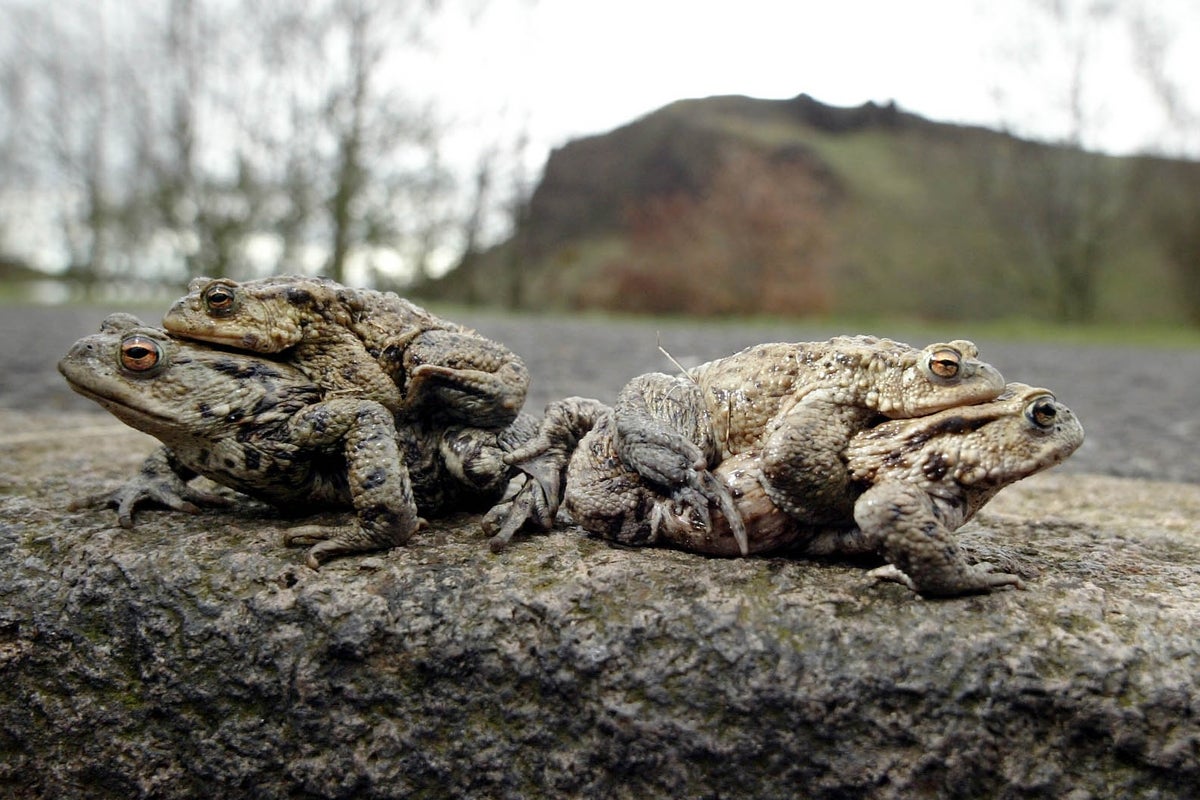
Dedicated volunteers have safely guided more than two million toads across British roads during their annual spring migration over the last 50 years, a wildlife charity has revealed.
As “toad patrollers” prepare to assist common toads navigating routes to their breeding ponds, Froglife underscored the vital importance of their work for a species in widespread decline.
Data collected by Froglife volunteers and published last year indicated a significant 41 per cent decline in common toad populations over 40 years, although some regional recoveries have been noted since 2013.
The charity reported a record year in 2025, with 280 volunteer groups moving 156,227 toads and submitting their data.
In total, over two million toads have been helped across British roads since Froglife began collecting records in 1974.
The charity said that volunteers who patrolled roads that lay between the toads’ overwintering grounds such as woodlands and their breeding ponds not only saved individual animals, but could also help stop some local populations going extinct, and collect valuable data on how the species was faring.
In the patrols, volunteers go out on wet nights early in the year armed with torches and buckets, walking slowly up and down roads, and carrying toads, frogs and newts to safety to allow them to continue their journey.
At a handful of sites, there are even road closures for the toad migration season.
Froglife said volunteers gained well-being benefits from being outside, making friends and meeting like-minded people, and felt a sense of pride at making a difference for wildlife.
Meanwhile, the charity said the citizen science data gained from the patrols was “vitally important” for helping conserve common toads in the UK.
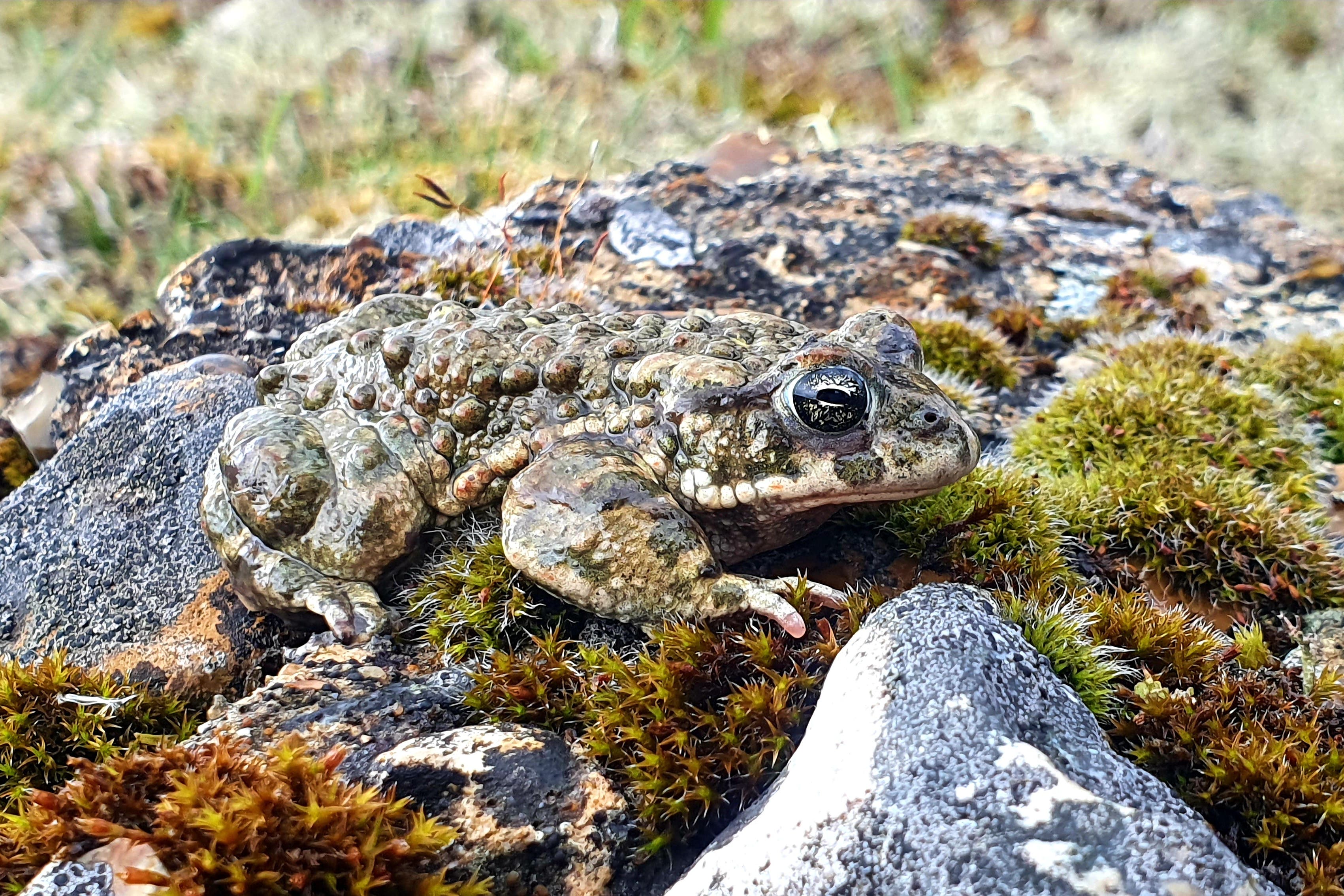 The common toad population has continued to suffer from habitat loss and pollution (Steph Horn/PA)
It was used for a range of purposes, from protecting breeding ponds in the planning system to informing research on climate impacts and making it available to anyone interested in their local wildlife.
An analysis of the data also highlighted counties with no active toad patrols despite having registered toad crossings.
The highest number of counties with no active patrols were found in Scotland, the Midlands and the north-east of England, Froglife said.
Ashlea Mawby, Froglife’s toads on roads co-ordinator, said: “We encourage anyone living in these areas of the country to please consider establishing a patrol at an inactive site.”
And she said: “Wherever you live, there are opportunities to get involved with the project whether it’s by joining your local toad patrol, registering a toad crossing that you know about, or starting a patrol at an inactive site.
“Just one evening of toad patrolling can save hundreds of toads, as well as other amphibians, during migration.
“It’s one of the most direct ways to help your local wildlife.”
But Froglife also warned that the common toad population continued to suffer from habitat loss and pollution.
The charity said the Planning and Infrastructure Act, which was passed last year, weakened protections for wildlife.
And it is calling for the planned Water Reform Bill to tackle freshwater pollution from agriculture and sewage, which harms amphibians.
Froglife, along with other conservation charities, is calling for the Bill to deliver a number of measures including a strong environmental regulator, strengthening water quality regulations, enforcing polluter-pays rules and making space for water including wide corridors of habitat along rivers.