
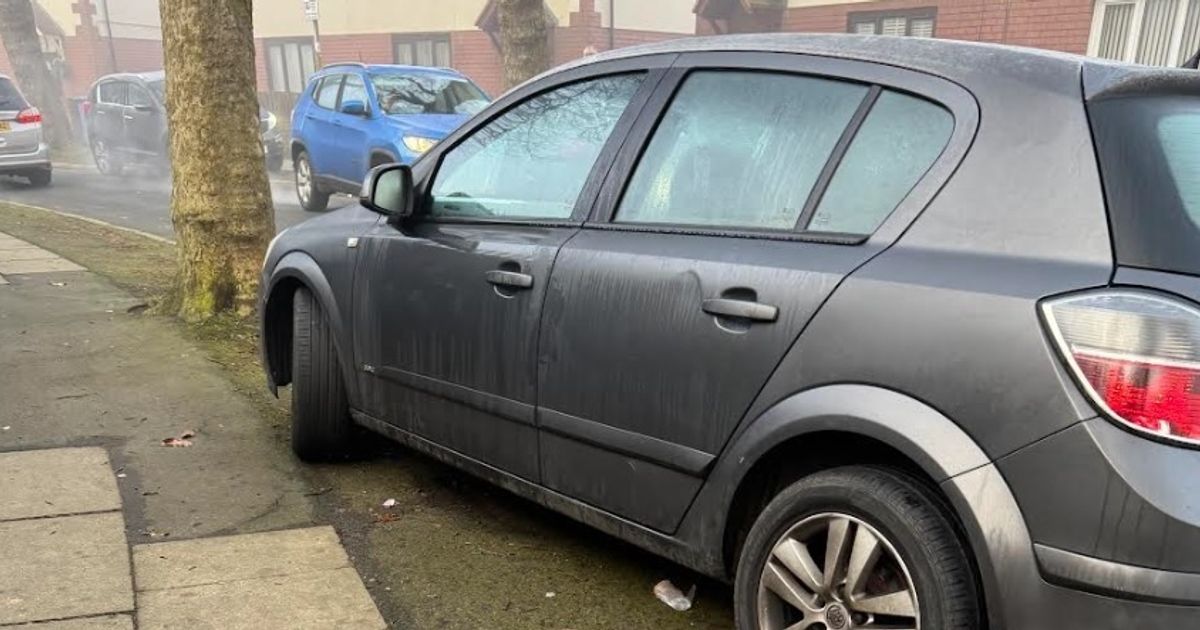
“It shocks me that parents are willing to put their own and other children at risk rather than park elsewhere”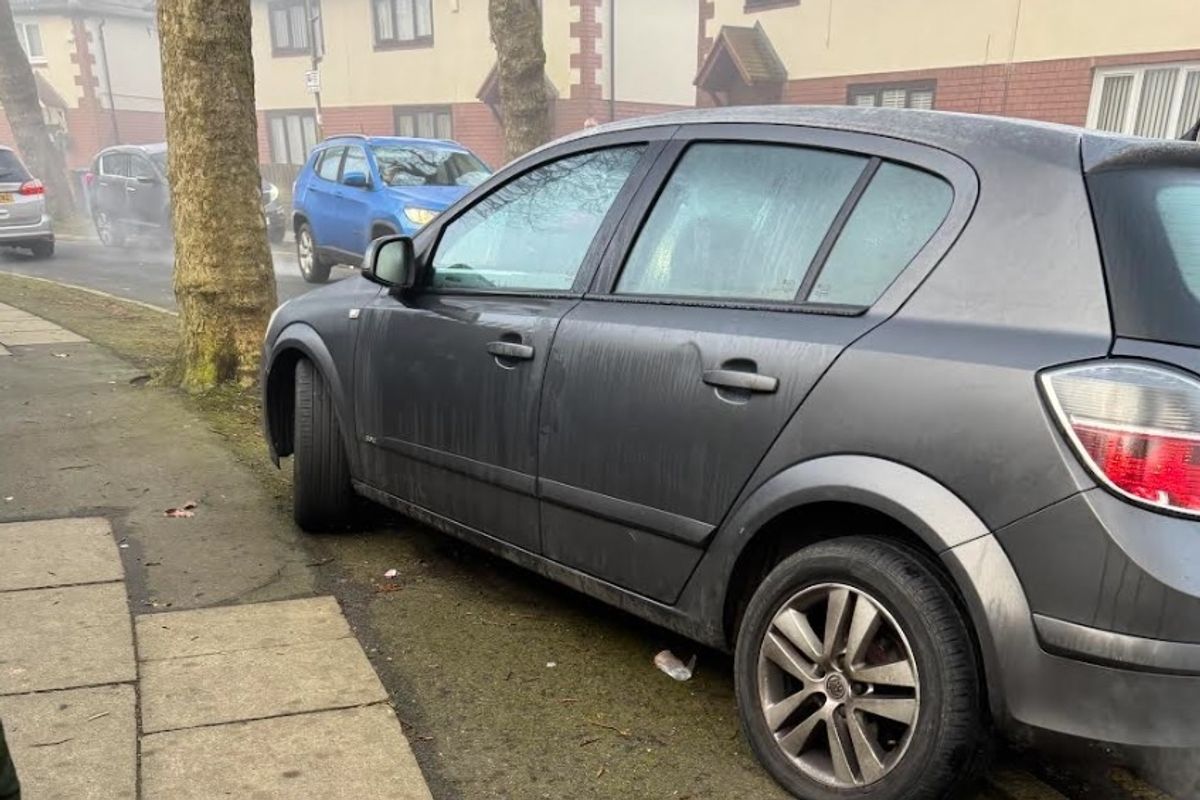
Parents have been slammed for lazy and dangerous parking outside a Pinehurst Primary School in Liverpool
Parents of children at a Liverpool primary school have been slammed for lazy, selfish and dangerous parking outside the school as shocking pictures show vehicles left strewn across pavements outside the school gates.
The images show a number of different cars parked outside Pinehurst Primary School in Anfield. Some cars are parked on yellow lines, others across keep clear lines and one car can be seen fully mounting the pavement – all as children walk past.
One concerned reader sent the images to the school and expressed their shock and anger at the behaviour of parents and carers. They told the ECHO: “I would like to make you aware of the complete and utter disregard for the safety of children by several parents during drop off and pickup at Pinehurst Primary School in Anfield.
“Two of the gates which children enter and exit school are located on Trouville Road, a narrow residential street, which during the times indicated is extremely hazardous due to the sheer volume of parents wanting to park as close to the school as possible – which in many cases involves pavement parking.”
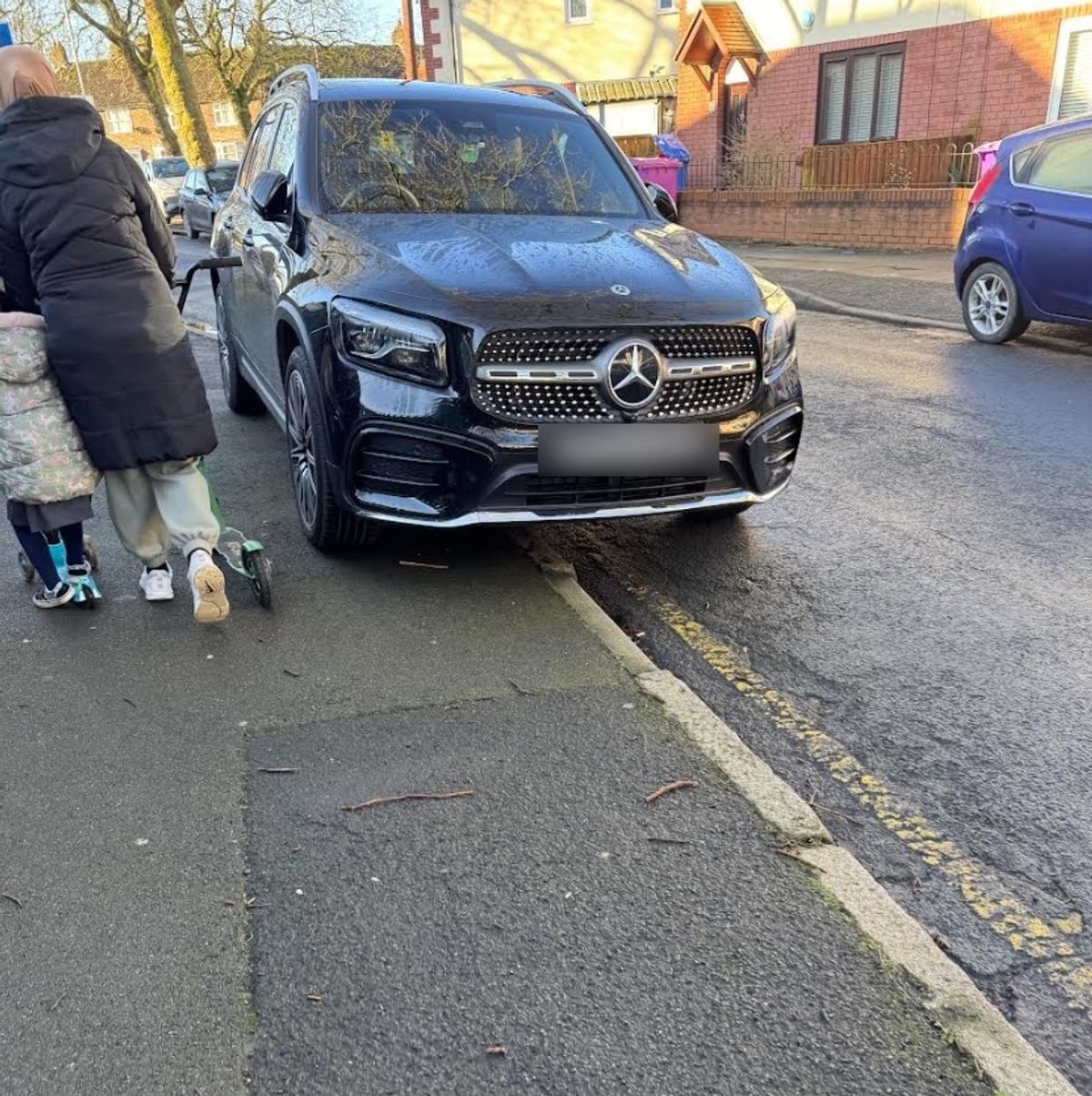
Parents have been slammed for lazy and dangerous parking outside a Pinehurst Primary School in Liverpool
The onlooker said they had witnessed cars parking on the school side of the road, near to the school gates and “mounting the pavement as there are young children walking along.”
The witness added: “Children are unpredictable and it shocks me that parents are willing to put their own and other children at risk rather than park elsewhere and walk a short distance to the school.
“I have been in contact with the local councillors and the school about this several times, a notice goes out in the newsletter and it improves for a few days. Occasionally wardens are present, but again it is only for a few days.”
The ECHO contacted Pinehurst Primary School to ask if the school is aware of the situation with dangerous pavement parking in its vicinity and what action they are taking to tackle it.
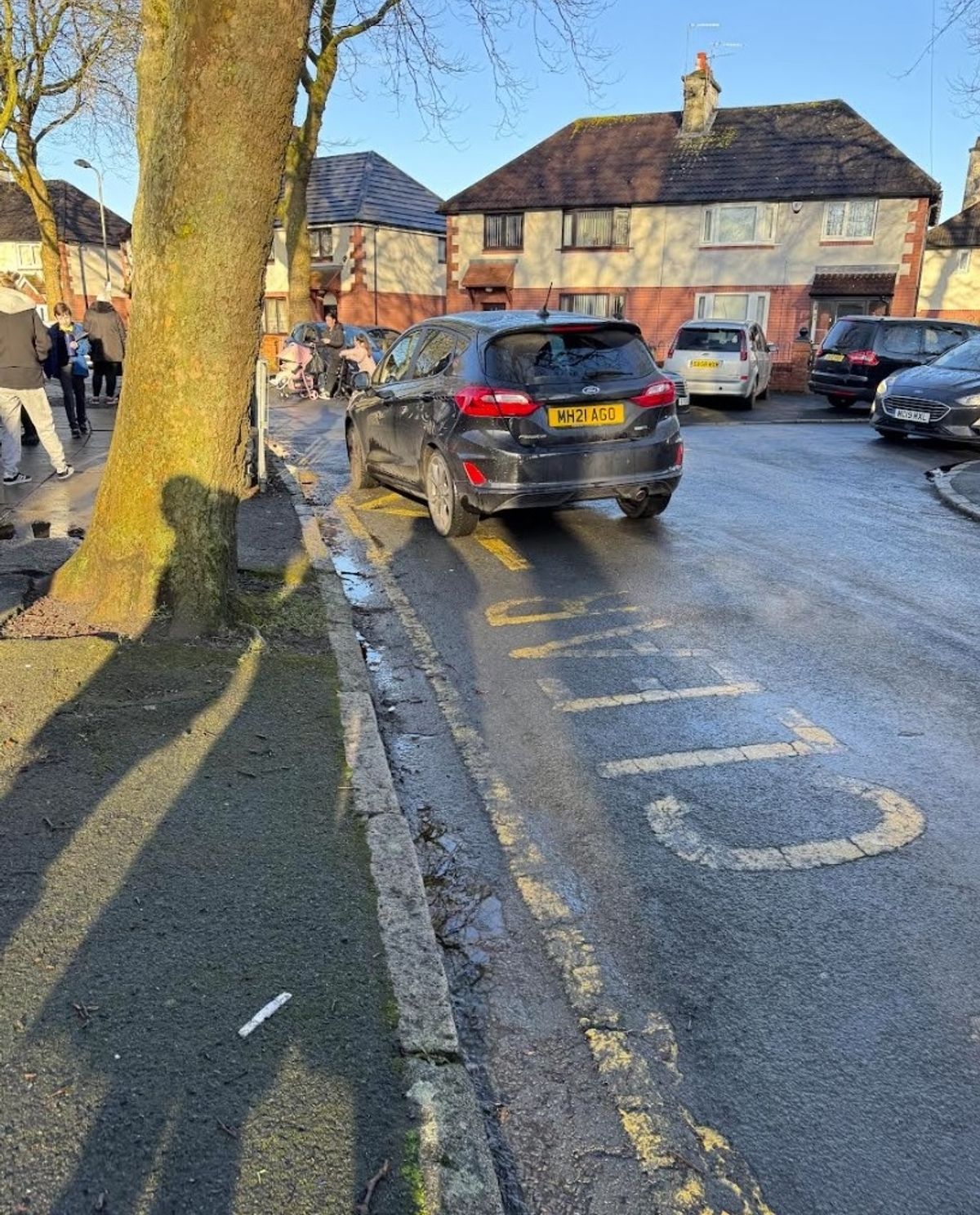
Parents have been slammed for lazy and dangerous parking outside a Pinehurst Primary School in Liverpool
Pinehurst Primary School Headteacher Katy Glynn said: “The safety of our pupils and wider community is a top priority. We are proactive in promoting safer streets around the school and continually encourage everyone, pupils, parents, carers and local residents, to follow the rules of the road and look out for one another.
“We regularly highlight the importance of road safety in our school newsletter and actively encourage families to park a short distance away from the school and walk the final 5–10 minutes where possible. These messages are reinforced through Class Dojo, text communications and updates on our social media channels.
“Earlier this year, we met with our local Councillor, Neighbourhood Manager and the Safer Streets Team to explore further ways to strengthen our approach and increase awareness within the community.
“Working alongside these partners and our School Council, we will be delivering a programme of road safety activities throughout February and March. This will culminate in a dedicated Road Safety Week in mid-March, including our participation in Brake’s Beep Beep Day—an event we are proud to support and celebrate.”
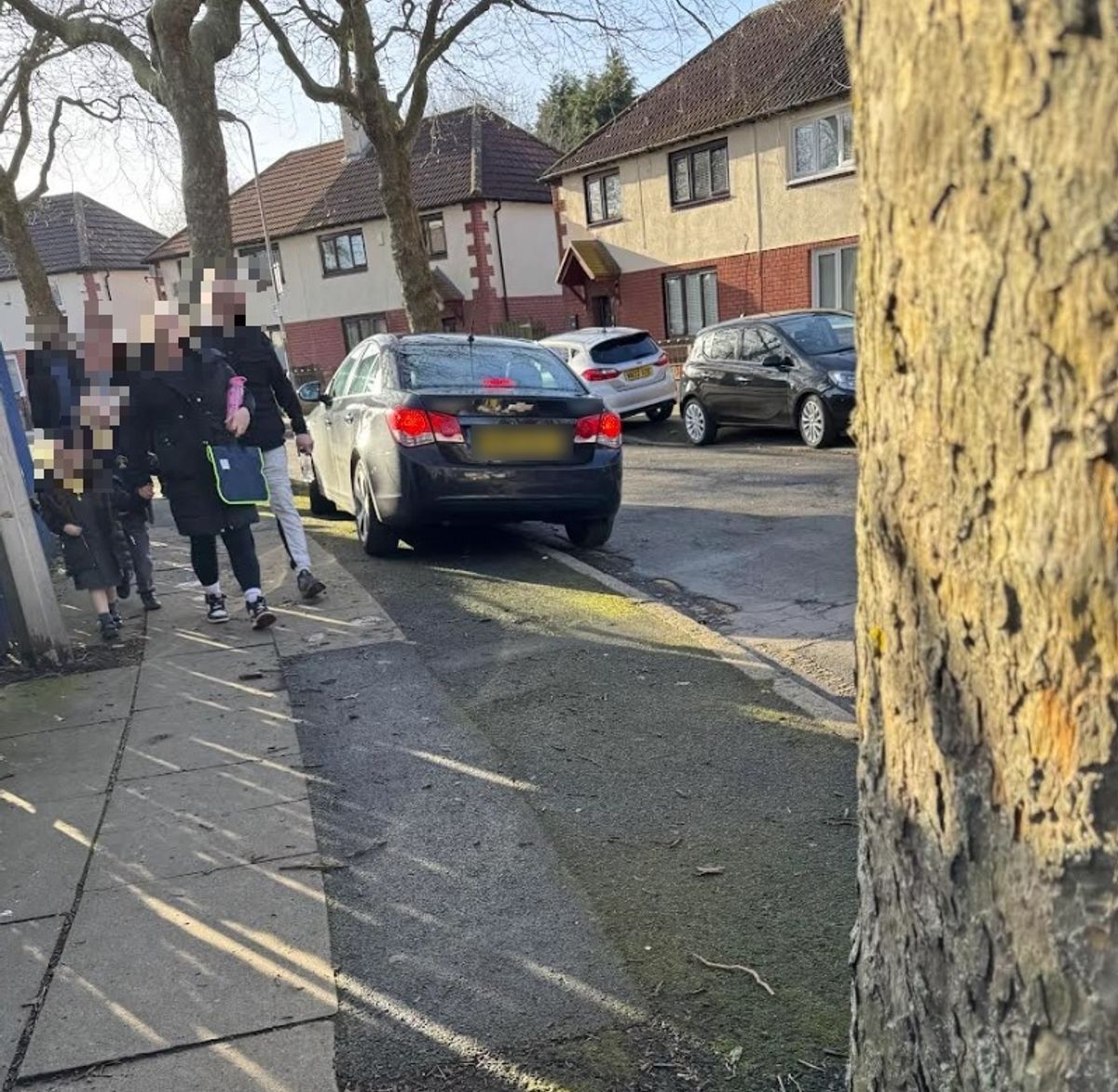
Parents have been slammed for lazy and dangerous parking outside a Pinehurst Primary School in Liverpool
The ECHO has been reporting on the issue of pavement parking for years.
This year, local councils will be given new powers to combat the problem, allowing them to designate specific areas or streets where it is banned.