
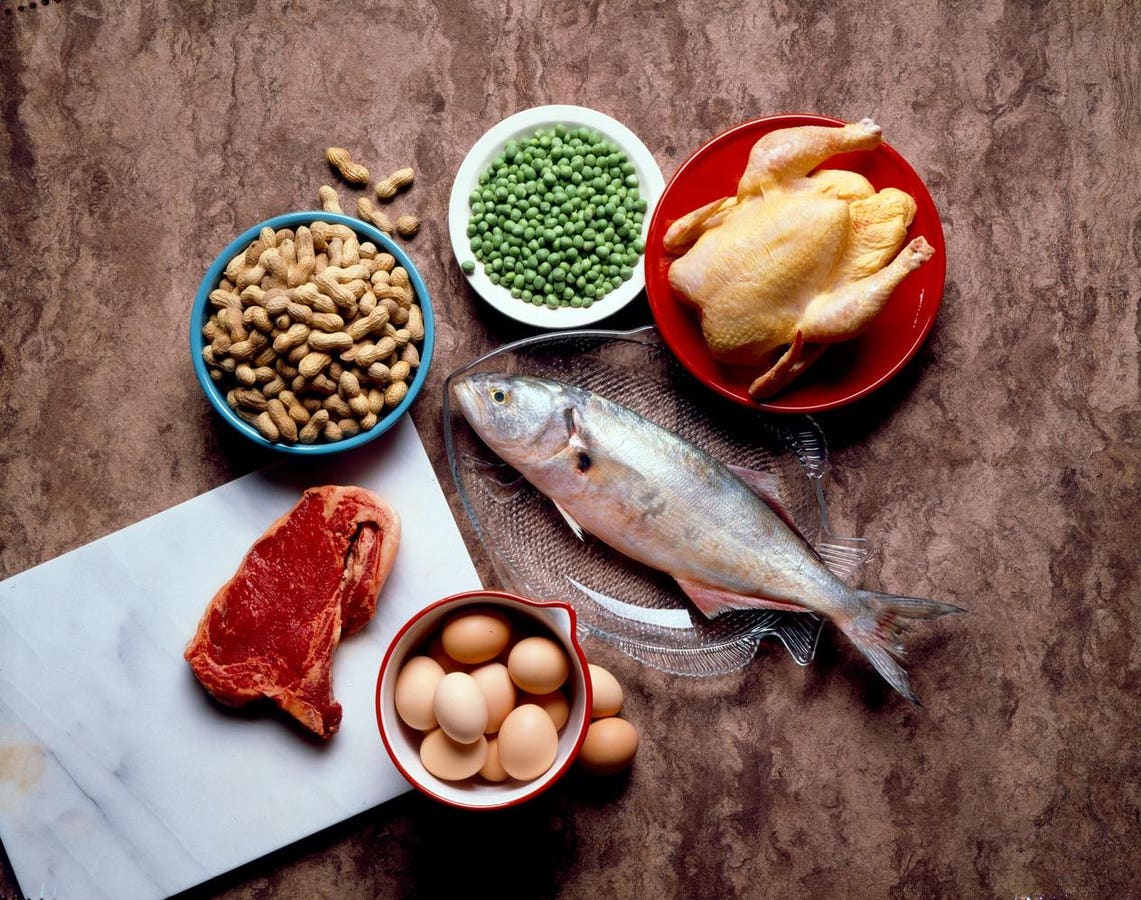
Still Life Of Protein Foods. (Photo by Education Images/Universal Images Group via Getty Images)
Universal Images Group via Getty Images
Few nutrition topics generate as much confusion as the topic of red meat. One week, headlines suggest we need more protein. The next, studies warn of links between red meat and heart disease. The new federal dietary guidelines, released two weeks ago, encourage higher protein intake, with a strong emphasis on red meat, while also advising Americans to limit their intake of saturated fat — an inherent contradiction, since red meat is a major source of both. It’s no wonder the public is left asking: Should we be eating more red meat or less?
As a public health practitioner and dean of a school of public health filled with nutrition scientists, health policy experts, epidemiologists and researchers who specialize in chronic disease, I don’t need to be a nutrition specialist to know the answer to the question is clear. For both health and health equity, we should reduce red meat consumption and replace it with healthier, more affordable protein options.
The reality is that most Americans already consume more red meat than recommended. Decades of research show that high consumption of red and processed meat is associated with increased risk of heart disease and Type 2 diabetes. That conclusion is reinforced by large-scale global evidence, including a recent meta-analysis collecting data from more than 6 million adults, which found that even modest daily increases in red or processed meat intake were linked to significantly higher risk of cardiovascular disease and diabetes.
Reflecting this evidence, the American Heart Association encourages consumers to prioritize plant-based proteins, seafood and lean meats and to limit high-fat animal products — including red meat, butter, lard and tallow — which are associated with increased cardiovascular risk. In public health, we follow the weight of evidence, not the trend of headlines.
Better Protein, Lower Risk, Less Cost
Beef is one of the most expensive items in our grocery carts. NPR recently reported that the cost of red meat has increased by more than 50% from pre-pandemic levels. The advice from these new dietary guidelines is like pouring salt into a wound. We’re telling Americans to eat more red meat, which is not only a financial struggle for many but can also lead to diet-related diseases, which disproportionately burden low-income communities and communities of color.
From a health equity perspective, reducing red meat consumption is not a sacrifice — it is a fiscal savings. Beans, lentils, eggs, poultry, canned fish, tofu and nuts provide high-quality protein at a lower cost and without the same risks to heart health. Encouraging these substitutions not only improves nutrition; it eases financial strain for millions of households facing economic constraints. Now, adding the burden of limited food access, chronic stress and barriers to preventive healthcare, we have the perfect public health storm.
Advising people to “eat more protein” without clarifying protein sources, we risk worsening these inequities. If higher-income households increase protein through fish and plant-based options while lower-income households resort to cheaper processed meats, the health gap widens.
The solution is not to chase every new nutrition headline. It is to listen to the weight of long-standing evidence. We should be supporting policies and community programs that make healthier protein options accessible and affordable — from school meal standards to grocery subsidies to culturally relevant nutrition education.
Cutting back on red meat is not about deprivation. It is about replacing it with options that support longer, healthier lives. And when done thoughtfully, it is also a step toward a more equitable food system, a system in which healthy choices are realistic choices for everyone.
In public health, the goal is not just better diets. It is a fairer opportunity for health for all.