
Signs of reconnection were also observed on Sunday, they said, but restrictions were reimposed shortly afterward. The latest restoration appears broader but still falls well short of a full return to normal service.
NetBlocks, the internet freedom watchdog, reported that although Iran has restored some international connectivity, most websites remain blocked or unreliable unless users rely on circumvention tools like VPNs.
Most ordinary users still face heavy filtering and intermittent service under a whitelist system despite a significant increase in internationally visible networks and datacenters, NetBlocks said in a statement on X.
Whitelist refers to state-sanctioned access for officials or state bodies like banks. Iran’s foreign minister and other senior officials have posted statements on social media throughout the shutdown.
Iranian authorities have said the internet outage which began on January 8 was imposed to control recent unrest, which officials blame on foreign interference and the activities of what they call “terrorists.”
The crackdown killed thousands of people and appears to rank among the deadliest attack on protestors in modern history.
Ali Akbar Pour-Jamshidian, deputy for security affairs at the Interior Ministry, addressed questions about when internet access would fully normalize by saying the Supreme National Security Council and the National Security Council had prioritized “public security” over economic considerations.
An uncertain digital future
Many data centers still lack stable internet access, and officials have yet to outline a clear timetable or framework for restoring full connectivity.
Milad Nouri, a programmer and internet expert, warned in comments to the news site Entekhab that the situation signals a deeper shift in network infrastructure. He said it shows the system has moved toward enabling permanent whitelist policies and “tiered internet” not just as a policy choice, but as a technical reality.
Tiered internet refers to granting access based on assessed “needs,” such as allowing media outlets controlled access to platforms like Telegram, while most other traffic remains blocked by default.
Economic damage mounts
The prolonged internet shutdown has inflicted significant damage on Iran’s economy.
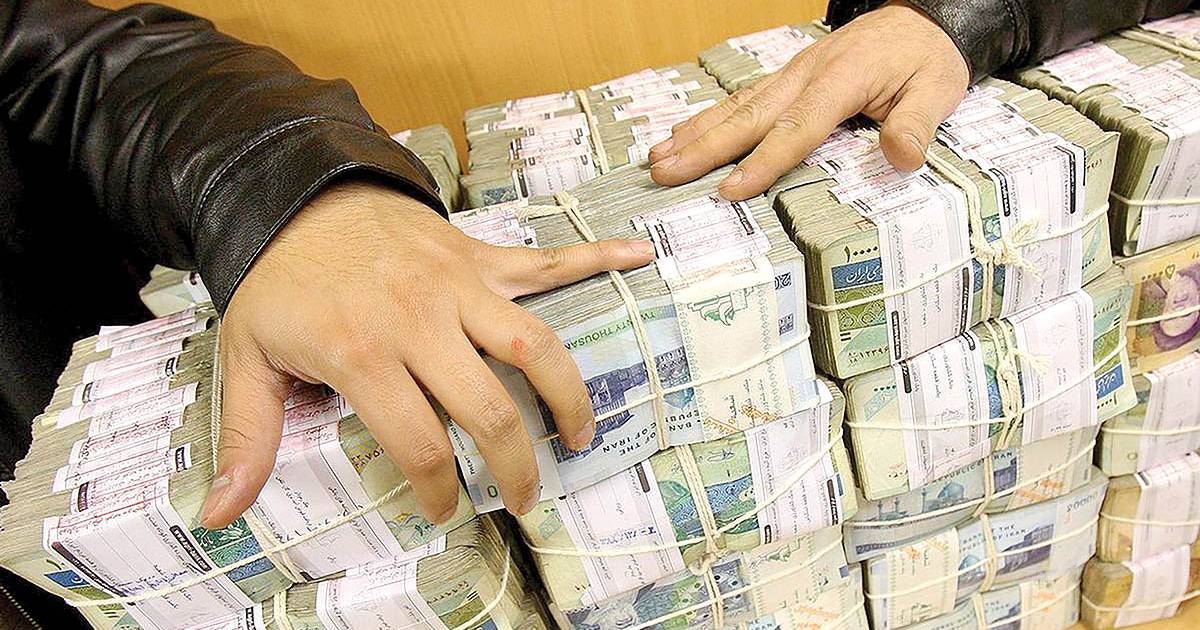
Communications Minister Sattar Hashemi has estimated the economic cost of the shutdown at 50 trillion rials per day (roughly $50 million at open market rates).
Speaking on Tuesday, Hashemi acknowledged that domestic platforms cannot function independently of international connectivity and would face serious challenges over time.
“(Claiming) that there is no need for the global internet is only a bitter joke,” he said.
At the same time, Iran’s broader economic indicators have continued to deteriorate. As fears of a possible US or Israeli attack intensified, the national currency fell further, reaching a record low of 1,600,000 rials to the dollar on Wednesday.
The Statistical Center of Iran has announced that point-to-point inflation in January reached 60 percent, meaning households paid on average 60 percent more than a year earlier for an identical basket of goods and services. The Tehran Stock Exchange has also seen several consecutive days of declining share values.
Businesses under strain
Many companies are reportedly facing bankruptcy, while others have laid off employees or downsized operations.
The daily newspaper Haft-e Sobh has reported that newspapers are now filled with advertisements offering office desks and chairs for sale by recently shuttered companies.
Babak Aghili-Nasab, CEO of Postex, told the Digiato news outlet that his company’s order shipments dropped by 80 percent during the shutdown. He said the first and most immediate impact was forced layoffs, adding that he expects to lay off around 60 percent of his workforce starting this month.
While the government has said it will offer loans to compensate affected businesses, Aghili-Nasab rejected this approach, insisting that compensation should be provided as direct grants rather than debt. He said: “You have plundered our house and want to give us loans (to compensate)?”
International trade has also been disrupted. Companies have lost contact with foreign partners and customers, and some trucks carrying perishable goods into Iran have reportedly been stranded at border crossings.
Authorities recently provided limited international internet access at Iran’s Chamber of Commerce. long queues for supervised 20-minute sessions, after filling out written commitments.
For small and home-based businesses, especially those dependent on social commerce—which accounted for about 40 percent of Iran’s online retail sector last year—the outlook remains bleak.
Many have resumed activity after a month without sales, but say they have little hope of meaningful income under current conditions.