
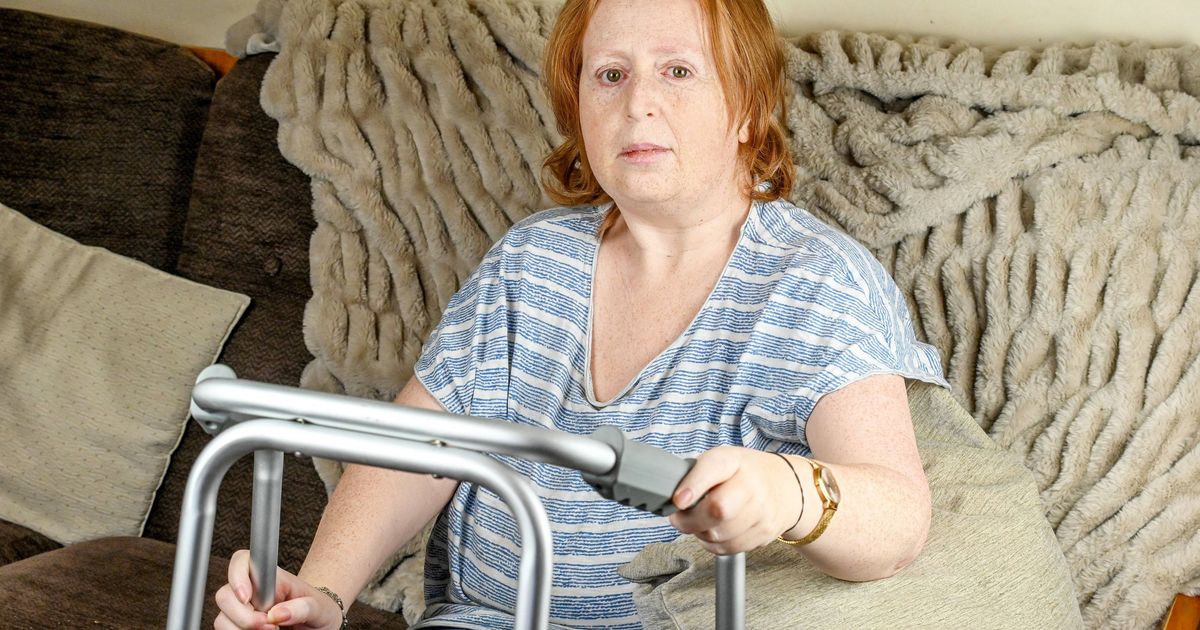
Samantha Smith, 45, was diagnosed with a brain tumour and was told she needed surgery, radiotherapy and long-term chemo – but the NHS Trust has admitted her treatment was excessive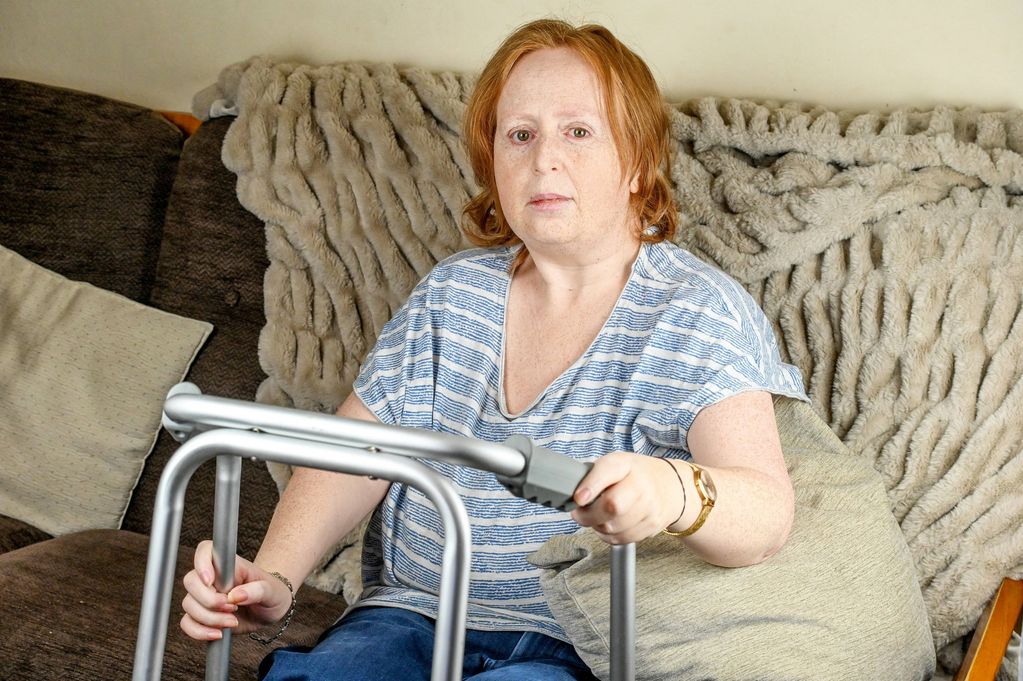
A mother is pursuing legal action against the NHS after enduring six years of punishing chemotherapy she didn’t require – rather than six months.
Samantha Smith, 45, was diagnosed with a brain tumour and informed she needed surgery, radiotherapy and long-term chemo whilst under the care of University Hospital Coventry.
However, despite guidelines stating patients should receive just six months of the drug, Samantha was maintained on it for six-and-a-half YEARS, following advice from consultant oncologist Professor Ian Brown.
Read more: Blind Coventry pensioner left in insect-infested house says ‘they forgot I existed’
Read more: Woman dies after being found seriously injured as police issue major update
She was only instructed to cease the medication after Prof Brown, who is now subject to a General Medical Council investigation, retired.
A new consultant subsequently confirmed the shocking reality that Samantha should have received only half a year of treatment.
Mother-of-three Samantha has now enlisted lawyers to examine her care amid concerns other patients may also have been overtreated.
Samantha, who lives with partner Mark and their three children in Bromsgrove, Worcestershire , has also been unable to work since her diagnosis.

The chemo has had a huge impact
She said: “Undergoing chemotherapy is a gruelling process and I’ve been very unwell for the best part of a decade.
“But I told myself it was all worth it to get better.
“So to find out that around six-and-a-half years of my treatment wasn’t needed came as a huge shock.
“I feel like that part of my life has been stolen from me, as I spent so long unable to function properly and just getting by day-to-day.
“I also had the burden of getting myself to monthly blood tests, collecting my tablets and keeping myself protected during the pandemic, which wasn’t easy when I felt as ill as I did.
“I wish I could turn back the clock and tell myself to get a second opinion; maybe then this wouldn’t have happened.
“But I trusted in my consultant, like so many of us do.
“To this day, I still struggle with everything.
“I can’t work and I’m plagued by fatigue, infections, rotting teeth and ongoing issues with my mobility.
“I can’t move my right side leg upwards and can’t move my shoulder.
“All I want to do now is get some answers and help make sure it doesn’t happen to anyone else.”
Samantha was initially diagnosed with a brain tumour in May 2014 and underwent surgery, though part of the tumour couldn’t be removed.
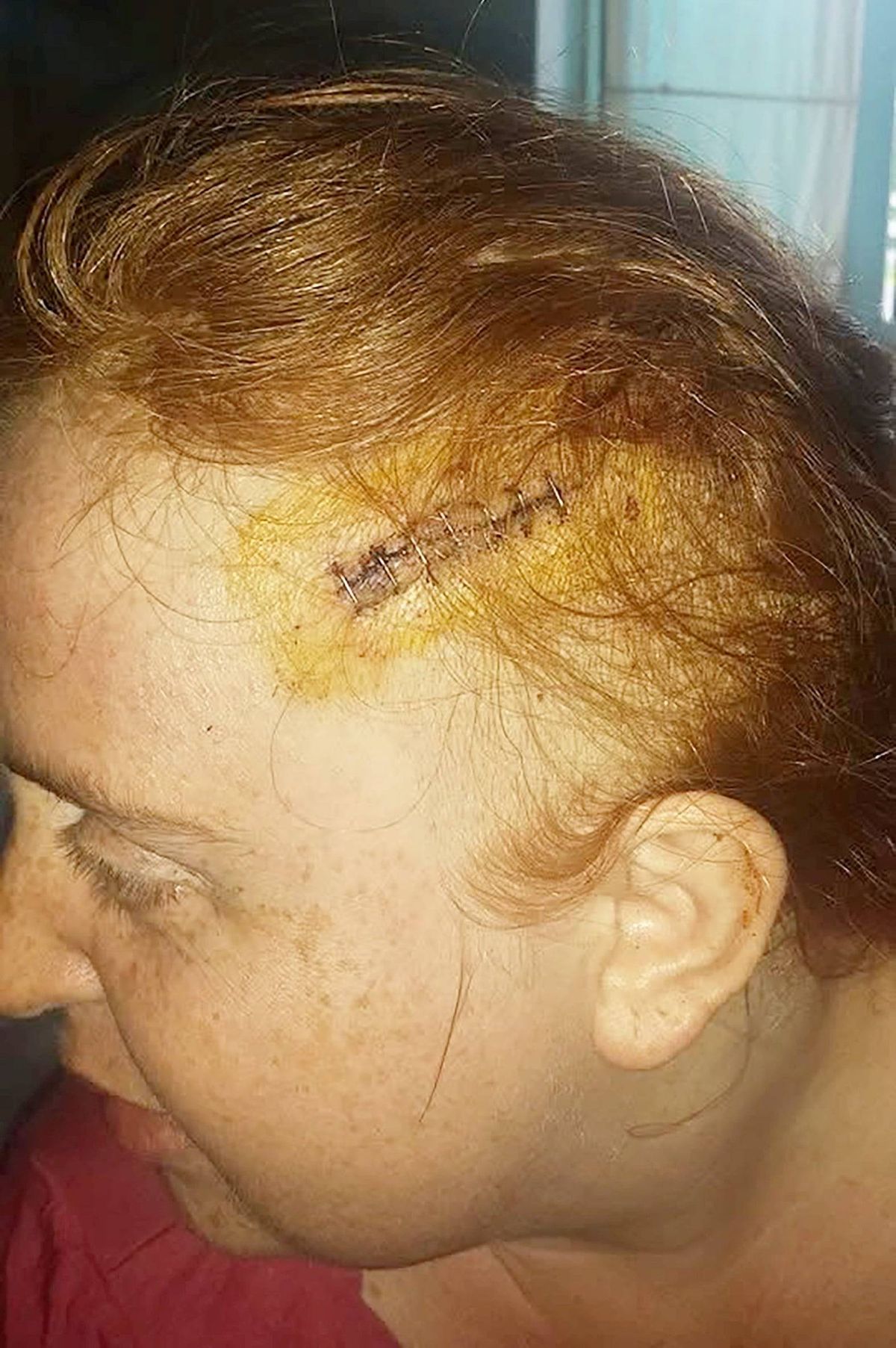
The mum underwent brain surgery
This came after doctors initially believed she had a gastric problem, so recommended she take Gaviscon.
She says she was also dismissed as having a “cough or cold” after experiencing a seizure.
Following her eventual diagnosis, she received intensive radiotherapy and was also given chemotherapy drugs to take monthly, as recommended by Prof Brown.
Routine MRI scans were conducted and Samantha was informed in 2021 – seven years later – her condition was stable and she could cease taking the medication.
It was only after Prof Brown’s retirement that it emerged Samantha had endured six-and-a-half years of unnecessary chemotherapy. The University Hospitals Coventry and Warwickshire NHS Trust (UHCW), which was responsible for employing Professor Brown, said it was carrying out an internal review into what happened and the prolonged use of the medication in question.
It has written to Samantha confirming it is investigating her care.
In a letter to Mark, the trust said it was “very sorry for the excessive treatment” and the impact it’s had on Samantha, including constant fatigue, teeth decay, early menopause, memory lapses, leg pain and a general decreased quality of life.
In its correspondence, the trust stated that the extended course of chemotherapy Samantha received was not in line with national guidelines and was “not supported by scientific evidence.”
It also confirmed that “actions have been implemented” to ensure this doesn’t happen again.
These include stopping the medication at six or 12 cycles, as well as additional input from a clinician, nurse and pharmacist to document the diagnosis and treatment plan at the outset.
Prof Brown has now been referred to the General Medical Council after it emerged another patient underwent more than 14 years of chemotherapy overtreatment.
‘Toxic drug’
Leanne Atkinson, the medical negligence lawyer at Irwin Mitchell representing Samantha, said: “Samantha had every faith in what she was being advised so to be told that more than six years of medication administered to her was completely unnecessary has left her devastated and with so many questions.
“She’s been forced to live with the side effects of the toxic drug, which have taken a significant toll on her health and quality of life.
“While nothing can change what she’s been through, we’re determined to help her obtain the answers and access to specialist rehabilitation and support she deserves.
“It’s also deeply worrying to hear that Samantha’s case doesn’t appear be an isolated one and that the care provided to a number of patients is now being investigated.”
Independent review
A spokesperson for University Hospitals Coventry and Warwickshire (UHCW) NHS Trust said: “The Trust is committed to providing the safest possible care.
“We have comprehensively reviewed and spoken to all individuals who were receiving temozolomide (TMZ) treatment at the end of 2023 to ensure appropriate support and care plans are in place.
“High grade brain tumours are associated with a poor outlook, with fewer than two per cent of patients with grade 4 glioblastomas surviving longer than 10 years.
“A high grade brain tumour is an extremely complex condition and all modes of treatment – surgery, chemotherapy and radiotherapy – carry the risk of complications and side effects.
“National Institute for Health and Care Excellence (NICE) guidelines recognise that clinicians can exercise professional judgement appropriate to individual circumstances when offering treatment to patients.
“We have commissioned the Royal College of Physicians to conduct an independent review of a representative cohort of patients who received greater than 12 cycles of adjuvant TMZ between 2017 and 2023.
“As this process is ongoing, it would be inappropriate to comment further at this stage.”
Get the latest Coventry headlines and breaking news straight to your inbox. Sign up to our free email newsletter here.