
The practice is part of a trend seeing the once-extinct rodents return to Britain in growing numbers
The first wild beaver to appear in Norfolk in 500 years has wasted little time in making itself at home.
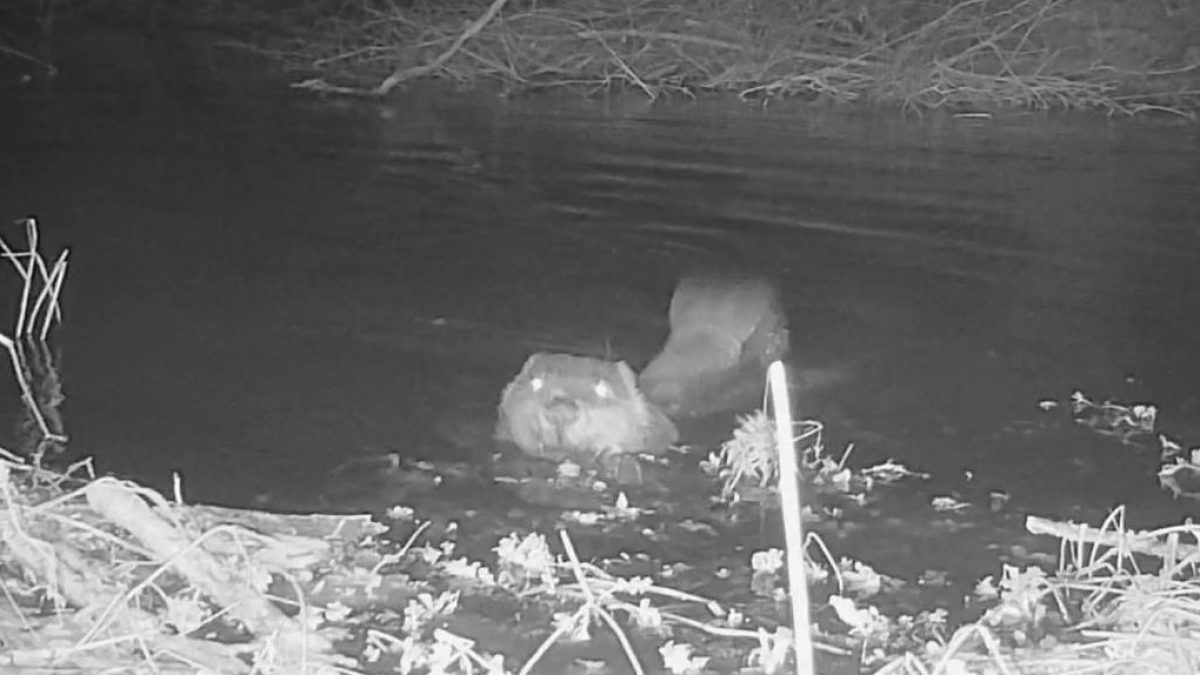
Telltale evidence from trail cameras shows it has been busy felling branches and brusquely warding off inquisitive otters in its new-found riverside territory.
The young Eurasian beaver, whose unexpected arrival at a nature reserve was announced last month, is one of about 3,000 of the species which now populate rivers from Scotland to Kent. It is part of a trend seeing the once-extinct rodents return to Britain in growing numbers.
The trouble is, no one is really sure where the Norfolk beaver came from. Its arrival – coupled with the spotting of another solitary beaver some 40 miles to the south in Suffolk – has prompted speculation that the animals’ presence is the result of an illegal trend known as “beaver bombing”.
New FeatureIn ShortQuick Stories. Same trusted journalism.
Eight wild beaver colonies across England
The practice, which consists of nature activists transplanting wild beavers under the cover of darkness from one location to another without the necessary permits, is believed to have led to the establishment of at least eight colonies across England, from Canterbury city centre to the depths of rural Devon.
Ironically, because beavers are a protected species under law, they cannot be moved or dislodged from a location without a licence, even if they have been illegally released.
Richard Spowage, manager at the Pensthorpe nature reserve near Fakenham where the Norfolk beaver has taken up residence on the banks of the River Wensum, is open to the idea that their new arrival may have clandestine origins.
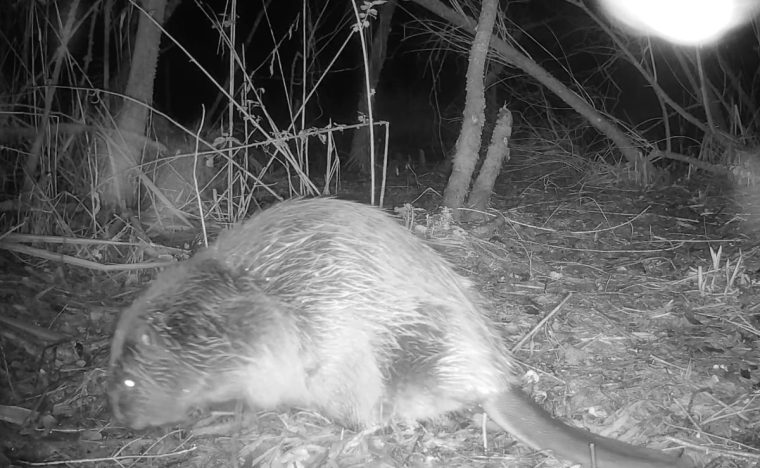 The Pensthorpe beaver is said to be doing well in its new habitat
He told The i Paper: “We’re delighted to have it. But to be honest we haven’t an idea where it has come from.
“The local sanctuaries say it is definitely not one of their animals and it isn’t behaving like it has come from a place where it has been in contact with humans.”
Reintroduction plans ramped up by Government
The Pensthorpe beaver is emblematic of a wider debate over the return of native species to the British landscape as the Government significantly steps up efforts to reintroduce beavers.
In a little-noticed move, ministers last year announced plans to allow wild beaver colonies to be set up in carefully chosen rural locations after previously restricting releases to fenced off enclosures.
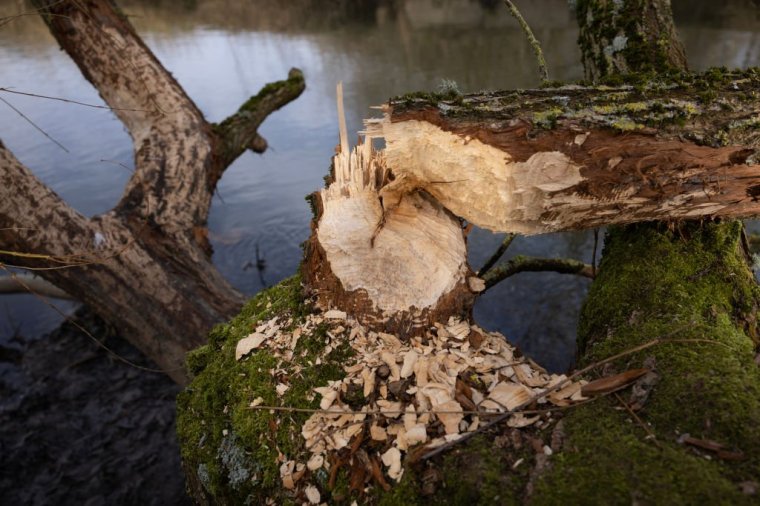 Farmers are concerned the animals could lead to the destruction of crops and flooding of fields (Photo by Dan Kitwood/Getty)
The i Paper understands that some 32 projects to reintroduce wild beavers have been identified by public conservation body Natural England. Two projects – one around Fowey in Cornwall, another on National Trust land in Somerset – are already awaiting full approval.
Described as “ecosystem engineers”, beavers are widely held to be a boon for regenerating wetland and river systems. Their dams are bulwarks of natural flood mitigation as well as removing impurities from water and developing biodiversity.
Conservation bodies, led by Beaver Trust and Natural England, argue the reintroduction of the animals will be carefully managed and has the potential to make a “huge difference” to the recovery of wildlife in the UK, which is considered to be one of the world’s most nature-depleted countries.
However, some activists do not want to wait around.
‘Red tape can’t stand in the way of us’
A wildlife activist told The i Paper that “beaver bombing” would continue to be seen despite the threat of arrest, unlimited fines and up to two years’ imprisonment if caught releasing the animals without a licence.
The activist, who declined to be named, said: “It is vital that these animals are returned to our landscapes as quickly as possible. We are talking about centuries of damage, made ever worse by climate change, which needs reversing. Red tape can’t stand in the way of a task like this, it’s about rebalancing nature.”
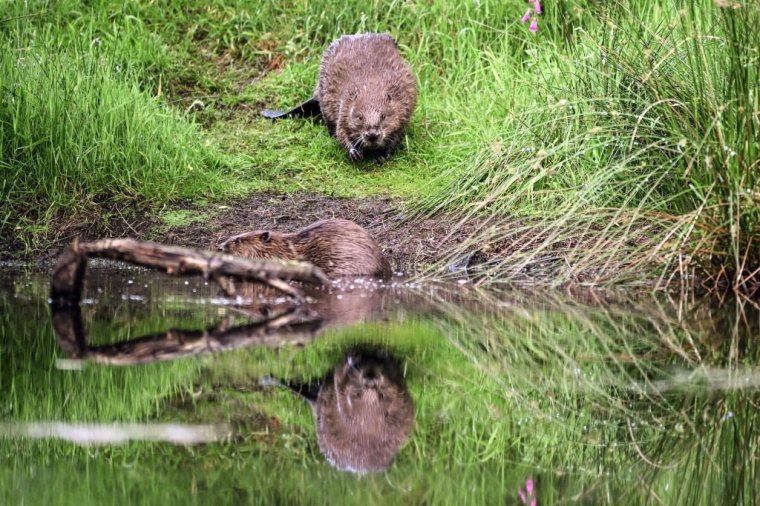 Two beavers walk by the bank of pond near Doune, Perthshire, Scotland (Photo: Andy Buchanan/AFP)
These guerilla rewilders are understood to operate via a network of like-minded individuals, with some responsible for sourcing beavers and others conducting releases. The activist said: “Questions aren’t asked about where the beavers come from, and questions aren’t asked about where they are going.”
Professor George Holmes, an expert in the politics of conservation at the University of Leeds, who sits on a Government advisory group for species reintroduction, said the “beaver bombers” were motivated by frustration at the speed of the official rewilding process.
He said: “We know that in their view, it’s completely unproblematic to release beavers and, as they see it, pen-pushing, risk-averse politicians and bureaucrats are just getting in the way of what should be done anyway.”
Calls for ‘lethal control’ powers
But the arrival of beavers is also causing tensions across the spectrum of rural interest groups.
At one end of the debate, farmers point to the damage they say beavers can cause by flooding fields and eating crops. The National Farmers Union (NFU) told The i Paper it was so concerned, that it wants those in charge of overseeing colonies to be allowed to carry out culling of the animals in places where they get out of control.
David Exwood, deputy president of the NFU, said the body recognised that beaver populations can provide “certain benefits” in the right locations. However, he said: “We are concerned about the negative impacts beavers can have on productive farmland. Beavers can flood and waterlog fields, feed on agricultural crops like maize, as well as damage and fell trees.”
Calling for extensive measures to be put in place before any further wild releases are approved, he added: “This must include the ability for those involved in beaver management to use all available tools in the toolbox including lethal control if beavers become disruptive.”
The Dutch experience: From 42 wild beavers to 7,000
Those concerned at the spread of beavers point to the experience in the Netherlands, where 42 of the animals were released between 1988 and 1991. On one level the reintroduction has been a huge success, with a current population of about 7,000 beavers. But it has also led to expensive problems with the undermining of flood defences as the animals burrow deep into dykes and canal banks.
In 2024, the water authority in the state of Limburg, close to the German border, said its staff had spent 9,000 hours addressing damage by beavers, while in 2022 the umbrella body of Dutch water boards said its members had spent €2m (£1.7m) on repairing infrastructure undermined by the animals, including a railway line.
Despite such disruption, which has led to culls of up to 80 beavers at a time in some places in the Netherlands, Dutch experts say they must learn to live with animals. Frans van den Berg, a dyke engineering specialist, said: “The beaver is here, so we have to learn to work together and live with it.”
Natural England said it was aware of the ability of beavers to cause problems but said culling was viewed as a “last resort”, and pointed to non-lethal alternatives such as relocation. It is understood that the organisation, which is in charge of granting licences for reintroduction, believes the size of existing beaver colonies means culling will not be necessary “in the short to medium term”.
Matt Heard, the body’s director for national delivery, said it was dedicated to “responsible reintroduction” of beavers. He said: “The foundation for long-term coexistence comes from well-planned, collaborative projects built on engagement and trust.”
‘Benefits outweigh the challenges’
Beaver Trust, which leads research on reintroductions in the UK, takes a dim view of illegal releases, pointing out that such activities have scant regard to issues such as disease risk, animal welfare and the need to engage with communities.
Ultimately, the charity says a licensed approach, which involves detailed planning for the area where beavers might be released and a requirement for sufficient funding to allow supervision over a 10-year period, will work best.
Your next read

A spokesperson said: “The evidence consistently shows that, at a landscape scale, the benefits of beavers outweigh the challenges, but that does not mean negative impacts should be ignored or dismissed. The aim is renewed coexistence, supported by monitoring, management and collaboration with local communities.”
In the meantime, the Pensthorpe beaver – however it came to find its new home – looks set to continue with its work to add another location to the list of places where the long-absent species is once more in residence.
Spowage said: “It is just keeping itself to itself to be honest. We haven’t had these animals here for a very, very long time. So we’re very happy to let it get on with what it needs to do.”