
(Credits: Far Out / Showtime Documentary Films)
Thu 29 January 2026 17:03, UK
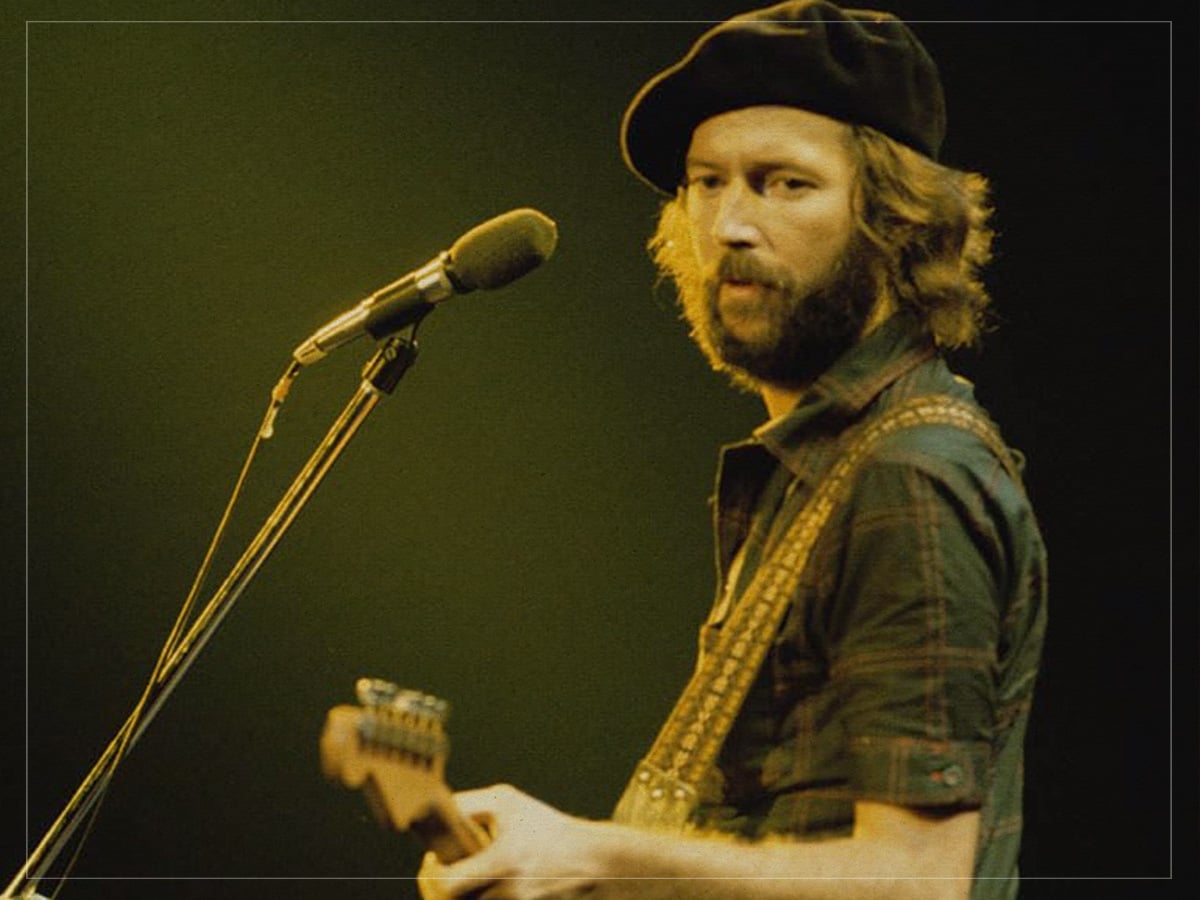
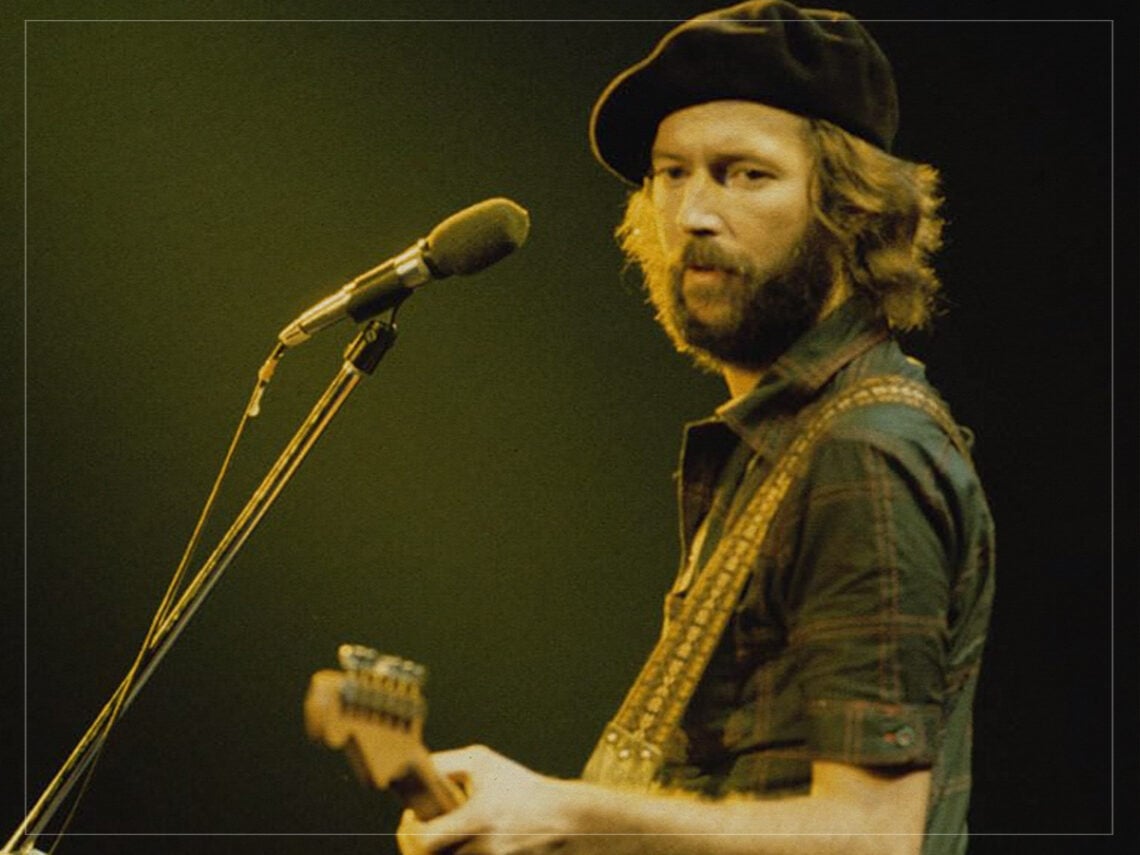
Whether it be in John Mayall and the Bluesbreakers, Cream or otherwise, Eric Clapton has played with a startling list of eminent musicians. It’s a career that is utterly littered with incredible names, from George Harrison and The Beatles to Ginger Baker and Jack Bruce. Clapton’s hands, slow or otherwise, have been in a lot og musical pies.
The Surrey native, dubbed ‘Slowhand’ by his fans, was a widely influential force in the classic rock era, with him the most notable proponent of the blues during this time. However, while finding evidence of his talent is easy, it is hard to reconcile such a stature with his problematic personality.
In August 1976, during a performance in Birmingham, England, Clapton jumped into a vitriolic racist rant supporting the day’s most prominent anti-immigration politician, Enoch Powell. At the start, Clapton commented: “Do we have any foreigners in the audience tonight? If so, please put up your hands. So where are you? Well, wherever you are, I think you should all just leave. Not just leave the hall, leave our country. I don’t want you here, in the room or in my country.”
“Stop Britain from becoming a black colony. Get the foreigners out,” Clapton later exclaimed to his audience. “Get the w*gs out. Get the c**ns out. Keep Britain white”. Following this, Clapton’s opposition to a fox-hunting ban and his adverse reaction to Covid-19 restrictions have naturally made him the in-house villain of classic rock. And it’s a persona he has rarely tried to hide from.
With that said, his musical life is fascinating, and its significance to the development of rock music cannot be wholly dismissed. When speaking to Classic Rock in 2016, Clapton reflected on his long career and named the “most powerful” band he worked with. Surprisingly, this was not Cream or The Bluesbreakers, but Derek and the Dominos, the short-lived transatlantic supergroup who gave the world ‘Layla’ and featured the late guitar great Duane Allman.
 The incredible Duane Allman. (Credits: Far Out / Alamy)
He said: “The stuff that was going on. I was a bachelor when I made that album, really. I had various optimisms about becoming embroiled with Pattie – Pattie Harrison. But we weren’t at that moment in a relationship. It was just something I was trying to write on the wall. And so Layla was that – a proclamation. But it was as anonymous as can be, so she was Layla, I was Derek.”
He continued: “What I really loved about that album was (that) nobody knew who we were. We even did a tour of England playing little clubs, and there would be nobody there. Because nobody knew who we were so they didn’t come! And yet there was this quartet that was one of the most powerful bands I’ve ever been anywhere near. And I was in it!”
This speaks a little to Clapton’s strong belief in his own talent, but the main reason he felt so shocked is the group had always flown under the radar in terms of what they could deliver, even if the song and the band included one of Clapton’s favourite guitarists ever. Duane Allman has long since been championed by Clapton as one of the best to ever pick up a six-string, but it wasn’t just him who impressed Clapton.
“The rhythm section on its own, I would have watched all night. And it was a funny time, cos it worked by word of mouth. As we began touring, bit by bit, people were talking about us. (They were) saying: “Who is this?” “What is this band?” They kind of figured it out. It was the most pure experience I’ve ever had in terms of making an album and then promoting it anonymously. It’s almost unheard of”.
The band are quite rightly considered a top notch group, but to have the commendation from a man who has routinely worked with the greatest the world has ever known must have been a particularly bright feather in their cap.
Listen to ‘Layla’ below.
Related Topics