
One of the world’s rarest animals has been born in Devon after two zoos helped a couple of leopards to come together through animal online dating
Christopher Sharp Trendswatch Reporter
12:06, 29 Jan 2026Updated 15:16, 29 Jan 2026
World’s rarest big cat cub seen for first time at UK zoo
In recent years, there has been a lot of uproar, outrage, and fear about the extinction of species around the world. However, this means that when there is a birth of a rare animal, it is something to be celebrated.
In Devon, said rejoicing has been taking place with a new baby being born to the rarest big cat in the world.
The Amur leopard cub, named Zeya, was born last year in September. She is part of a species known for its thick and printed fur that allows the big cats to survive even the harshest and coldest conditions.
This means they can handle any cold weather Devon throws at them. They are normally found in northern China or south eastern Russia.
Amur leopards, also known as Far East leopards are regarded as the rarest big cat in the world and officially classed as being critically endangered.
In fact, so rare is the Amur leopard that there are believed to be just 120 left on the entire planet, a number that has just been boosted in Devon.
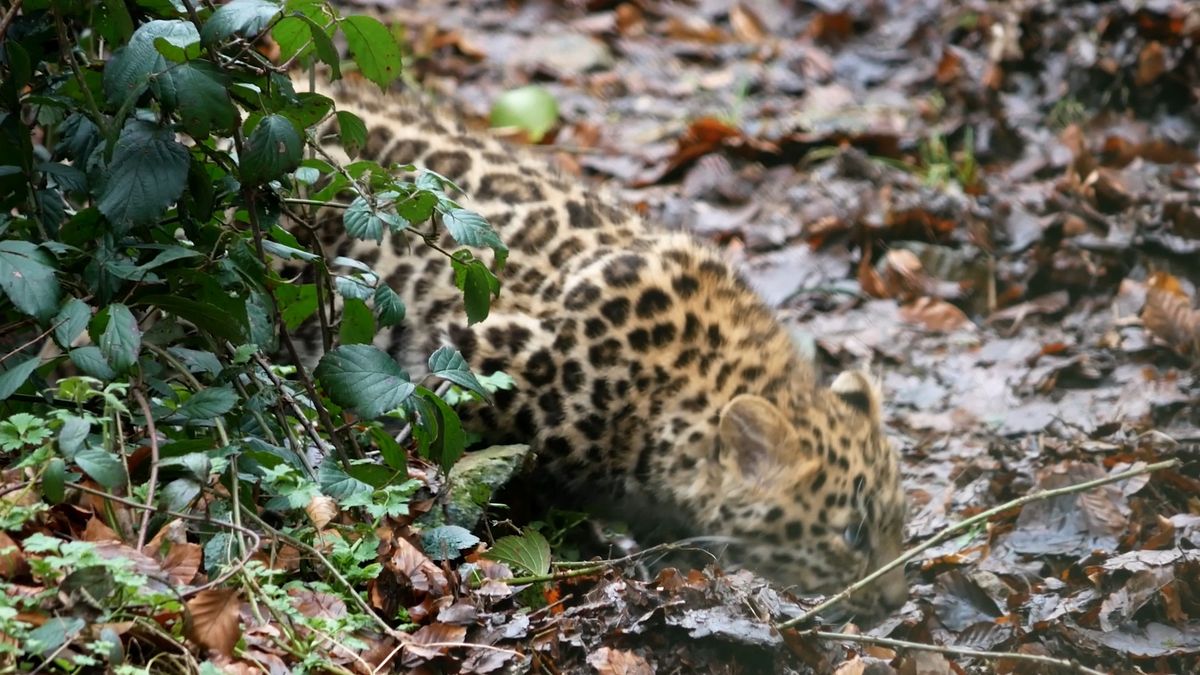
Zeya is one of the world’s rarest animals(Image: Jam Press/Dartmoor Zoo)
However, Zeya’s birth was no random act, in fact, the cub is the result of two leopards being brought together.
Zeya’s mother Lena was first transferred to Dartmoor Zoo from Colchester Zoo in Essex after her father Freddo was put on an animal dating site.
The two came together and sparks reportedly flew immediately, culminating in the creation of young Zeya, who has now been put on public view for the first time in her life. With so few Amur leopards in the world, the staff at Dartmoor Zoo are delighted to welcome Zeya into the world.
Dartmoor Zoo’s David Gibson was overflowing with joy for Lena, Freddo and Zeya. He said: “Moving mum Lena and cub Zeya into the main Amur leopard enclosure here at Dartmoor Zoo is a momentous occasion.
“Our keepers have had the privilege of watching this incredibly important young leopard grow up and explore the world around her over the last few months.”
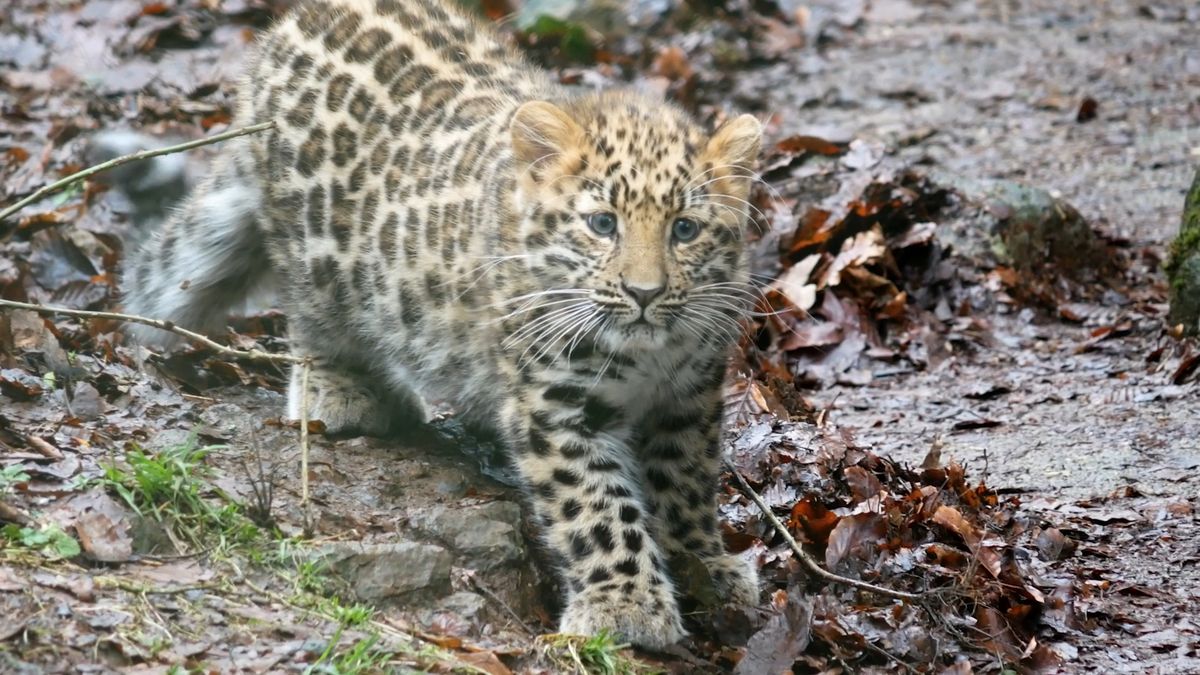
Zeya the cub(Image: Jam Press/Dartmoor Zoo)
He added: “But now our visitors will have the chance to share in this enjoyment and see how Zeya develops the skills and ability she will need in years to come. We feel extremely proud to be able to play a small part in safeguarding the Amur leopard for the future.
“Although initial welfare checks are positive, Zeya is still adjusting to the move and exploring her new habitat, so we please ask guests to be calm, quiet and respectful when visiting to enable them to feel comfortable and continue to thrive.”