
Meal Plan At a Glance
DAYS
1
2
3
4
5
6
7
MEALS
Breakfast:
Best Gut-Healthy Breakfast
––––
Lunch:
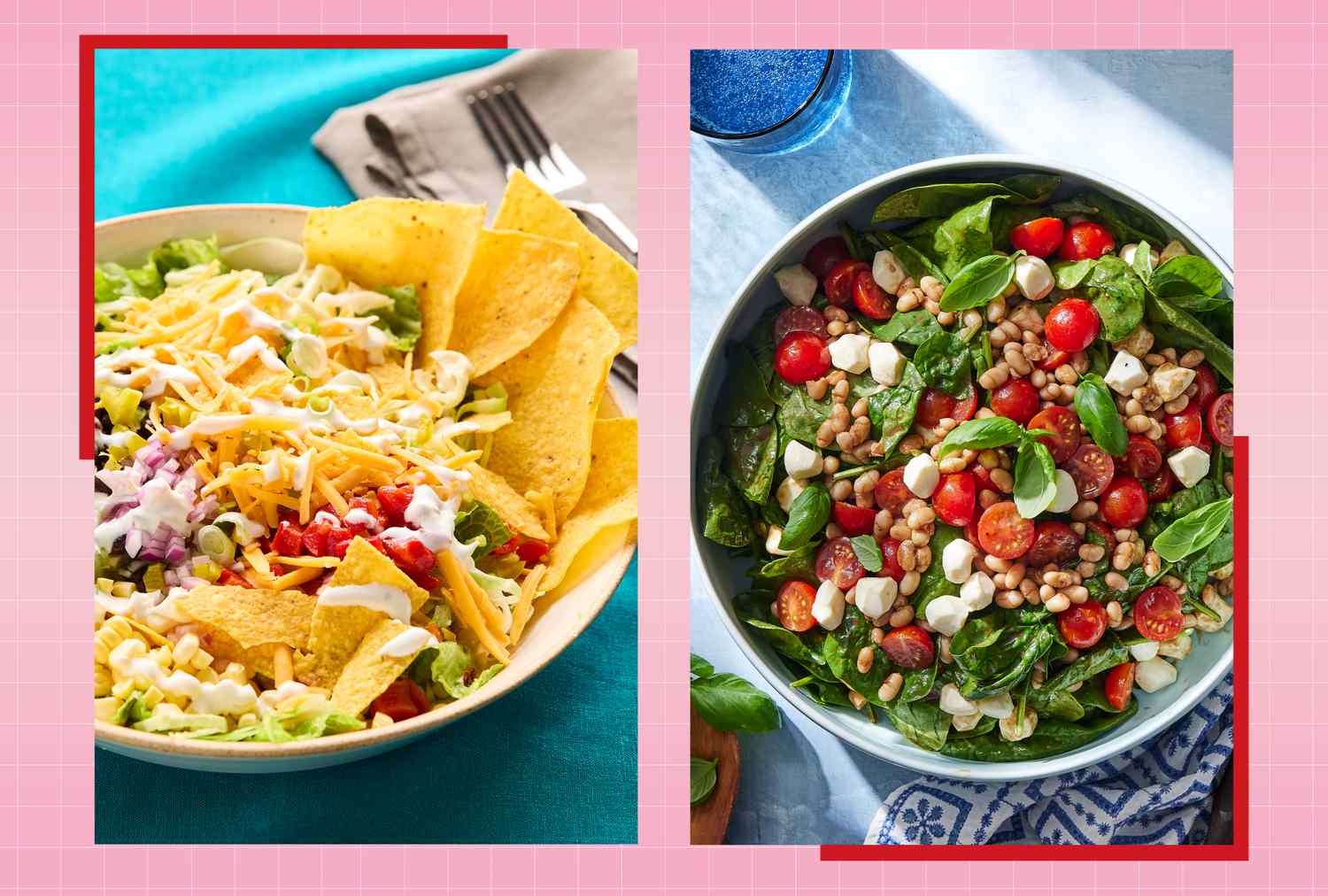
White Bean & Spinach Caprese & Pear
––––
Dinner:
Lemon-Garlic Salmon, Potatoes & Beans
Breakfast:
Cinnamon-Raisin Oats & Kefir
––––
Lunch:
Chickpea Chopped Salad & Chicken
––––
Dinner:
Black Bean Taco Bowls
Breakfast:
Cinnamon-Raisin Overnight Oats
––––
Lunch:
Chickpea Chopped Salad & Chicken
––––
Dinner:
Balsamic Chicken, Arugula Salad & Baguette
Breakfast:
Cinnamon-Raisin Overnight Oats
––––
Lunch:
Chickpea Chopped Salad & Chicken
––––
Dinner:
Shrimp, Pesto & Quinoa Bowl
Breakfast:
Best Gut-Healthy Breakfast
––––
Lunch:
Chickpea Chopped Salad & Chicken
––––
Dinner:
Easy White Bean Skillet
Breakfast:
Best Gut-Healthy Breakfast
––––
Lunch:
Avocado Tuna Salad & Blueberries
––––
Dinner:
Lemon-Dill Chicken & Green Beans
Breakfast:
Best Gut-Healthy Breakfast
––––
Lunch:
Avocado Tuna Salad & Blueberries
––––
Dinner:
Chickpea Grain Bowl with Feta
DAILY TOTALS
Calories: 1,798 Fat: 77g Protein: 102g Carbs: 191g Fiber: 44g Sodium: 1,535mg
Calories: 1,781 Fat: 81g Protein: 98g Carbs: 181g Fiber: 32g Sodium: 1,496mg
Calories: 1,824 Fat: 87g Protein: 119g Carbs: 157g Fiber: 31g Sodium: 1,626mg
Calories: 1,812 Fat: 84g Protein: 114g Carbs: 164g Fiber: 30g Sodium: 1,637mg
Calories: 1,807 Fat: 73g Protein: 115g Carbs: 187g Fiber: 41g Sodium: 1,858mg
Calories: 1,795 Fat: 90g Protein: 102g Carbs: 157g Fiber: 39g Sodium: 1,376mg
Calories: 1,796 Fat: 77g Protein: 88g Carbs: 206g Fiber: 47g Sodium: 1,171mg
Day 1
Daily Totals: 1,798 calories, 77g fat, 102g protein, 191g carbohydrate, 44g fiber, 1,535mg sodium
Breakfast (409 calories)
Raspberry-Banana Yogurt Parfait
Lunch (404 calories)
No-Cook White Bean & Spinach Caprese Salad
Dinner (427 calories)
Lemon-Garlic Sheet-Pan Salmon with Potatoes & Green Beans
Snacks
1 medium apple + 1 ½ Tbsps. natural peanut butter (252 calories)
Make it 1,500 calories: Omit both the Crunchy Roasted Edamame and the Cottage Cheese Snack Jar with Fruit as snacks.
Make it 2,000 calories: Add 1 serving Simplest Spinach Salad to dinner.
Day 2
Daily Totals: 1,781 calories, 81g fat, 98g protein, 181g carbohydrate, 32g fiber, 1,496mg sodium
Breakfast (489 calories)
Cinnamon-Raisin Overnight Oats
1 cup low-fat plain kefir
Lunch (402 calories)
Chickpea Chopped Salad with Pita Chips
3-oz. cooked chicken breast (about ½ cup, chopped)
Dinner (583 calories)
No-Cook Black Bean Taco Bowls
Snacks
Make it 1,500 calories: Omit both snacks.
Make it 2,000 calories: Add ¼ cup dry-roasted unsalted almonds as a snack.
Day 3
Daily Totals: 1,824 calories, 87g fat, 119g protein, 157g carbohydrate, 31g fiber, 1,626mg sodium
Breakfast (374 calories)
Lunch (402 calories)
Dinner (473 calories)
Balsamic Chicken Thighs with Arugula-Tomato Salad
Serve with: 1-oz. slice whole-wheat baguette
Snacks
Make it 1,500 calories: Omit both the Crunchy Roasted Edamame and the Cottage Cheese Snack Jar with Fruit as snacks.
Make it 2,000 calories: 1
Day 4
Daily Totals: 1,812 calories, 84g fat, 114g protein, 164g carbohydrate, 30g fiber, 1,637mg sodium
Breakfast (374 calories)
Lunch (402 calories)
Dinner (429 calories)
Charred Shrimp, Pesto & Quinoa Bowls
Snacks
Banana–Peanut Butter Yogurt Parfait
Make it 1,500 calories: Omit the Banana–Peanut Butter Yogurt Parfait as a snack.
Make it 2,000 calories: Add 1 cup low-fat plain kefir to breakfast and 1 medium orange to lunch.
Day 5
Daily Totals: 1,807 calories, 73g fat, 115g protein, 187g carbohydrate, 41g fiber, 1,858mg sodium
Breakfast (409 calories)
Lunch (402 calories)
Dinner (444 calories)
Snacks
¼ cup dry-roasted unsalted almonds + 1 clementine (241 calories)
Make it 1,500 calories: Omit both the Crunchy Roasted Edamame and the Cottage Cheese Snack Jar as snacks.
Make it 2,000 calories: Add 1 serving Brussels Sprouts Caesar Salad to dinner.
Brussels Sprouts Caesar Salad
Day 6
Daily Totals: 1,795 calories, 90g fat, 102g protein, 157g carbohydrate, 39g fiber, 1,376mg sodium
Breakfast (409 calories)
Lunch (396 calories)
Dinner (405 calories)
Creamy Lemon & Dill Skillet Chicken
Garlic-Butter Green Beans
Snacks
1 serving Cottage Cheese Snack Jar (219 calories)
1 medium apple + 2 Tbsp. natural peanut butter (305 calories)
1 medium orange (62 calories)
Make it 1,500 calories: Omit the 1 medium apple + 2 Tbsp. natural peanut butter as a snack.
Make it 2,000 calories: Add 1 slice whole-wheat toast with 1 Tbsp. natural peanut butter to breakfast and increase to 1 cup blueberries at lunch.
Day 7
Daily Totals: 1,796 calories, 77g fat, 88g protein, 206g carbohydrate, 47g fiber, 1,171mg sodium
Breakfast (409 calories)
Lunch (396 calories)
Dinner (538 calories)
Chickpea Grain Bowl with Feta & Tomatoes
Snacks
1 serving Cottage Cheese Snack Jar (219 calories)
1 medium apple + 1 Tbsp. natural peanut butter (200 calories)
1 clementine (35 calories)
Make it 1,500 calories: Omit the blueberries at lunch and omit the Cottage Cheese Snack Jar as a snack.
Make it 2,000 calories: Add 1 slice whole-wheat toast with 1 Tbsp. natural peanut butter to breakfast and increase to 1 cup blueberries at lunch.
Frequently Asked Questions
Is it OK to mix and match meals if there is one I do not like?
Meal plans are meant to be enjoyed, so feel free to mix and match if there’s a meal you don’t like. You can repeat a meal in this plan or browse some of our other healthy recipes for additional inspiration. When choosing recipes, we aimed for ones that offered a decent dose of fiber and protein to help you feel full and satisfied. If you’re making a swap and closely monitoring calories, protein, fiber or other nutrients, you may want to make adjustments elsewhere.
Can I eat the same breakfast or lunch every day?
Yes, feel free to eat the same breakfast or lunch every day if you prefer. Each breakfast and lunch option offers a similar calorie level, so a simple swap should work for most people.
Why is there not a modification for 1,200 calories?
We no longer provide modifications for 1,200-calorie days in our meal plans. Research suggests that 1,200 per day is too low for most people to meet their nutritional needs, may lead to lean muscle loss and is unsustainable for long-term health and well-being.
Other Tips for a Healthy Reset:
While many prioritize nutrition when they think about a healthy reset, don’t overlook the impact of lifestyle changes.
Prioritize Quality Sleep: Most adults need at least 7 hours a night of quality sleep. Getting enough sleep has greater health impacts beyond feeling less tired throughout the day. In fact, adequate sleep is linked to a healthier body weight, fewer sick days, improved metabolism, a better memory and a reduced risk of developing chronic disease.
Find Joyful Movement: Joyful movement is the idea that you should genuinely enjoy the movement you do. While high-intensity and intense fitness goals certainly can have their place, sometimes going too hard can lead to burnout and prolonged periods of inactivity. Walking with a friend, listening to a podcast while gardening or trying a new nature walk all “count” as exercise. The idea of joyful movement has gained traction because it’s less about the calorie burn and weight loss and more about finding ways to move your body regularly in a way that feels good.
Hydrate: Water needs can vary based on activity levels, sex and certain health conditions. In general, women should aim for about 11 ½ cups (92 ounces) of water per day while men should aim for 15.5 cups (124 ounces) of water per day. While the majority of our fluids come from water or other liquids, many fruits and vegetables are good sources of water, too. Mild dehydration can impact your memory, mood and energy levels. It can also lead to headache, dizziness and digestive problems.3 Fill up your favorite water bottle and carry it with you to hit your hydration goals.
Make a Plan & Build on It: If you’re trying to get into a healthy routine or make some changes, it can be tempting to try to do everything all at once. But most of us know from experience that this isn’t a great strategy for developing long-term habits. Setting short-term goals in addition to the long-term goal can make it more manageable and achievable. If you’re setting a goal to make a health change, start small and be specific with your plan. Once it’s going well and feels like it’s part of your routine, you can add another short-term goal in the journey to creating lifelong habits.
How We Create Meal Plans
Registered dietitians thoughtfully create EatingWell’s meal plans to be easy-to-follow and delicious. Each meal plan meets specific parameters depending on the health condition and/or lifestyle goal it is targeting and is analyzed for accuracy using the nutrition database, ESHA Food Processor. As nutritional needs differ from person to person, we encourage you to use these plans as inspiration and adjust as you see fit.
6 Small Daily Habits That Can Have a Big Impact on Your Blood Sugar, According to Experts
We Asked Longevity Experts What They Eat Every Week—These 5 Foods Topped the List