
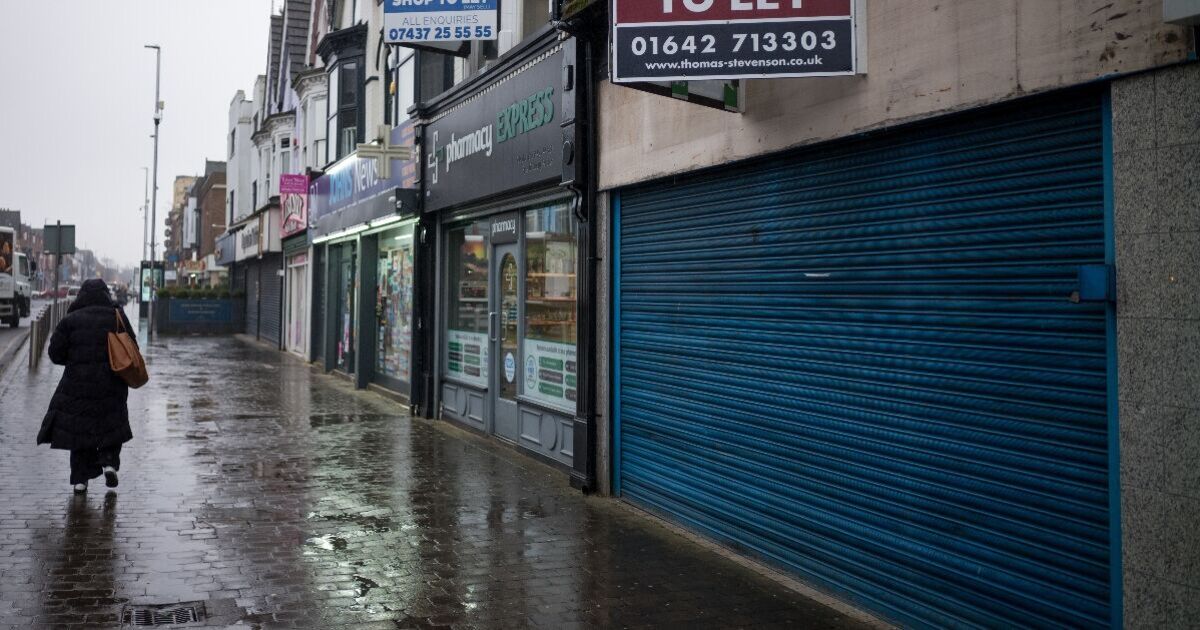
UK high street businesses are being clobbered by rising costs (Image: Getty)
High streets across the country faced fresh challenges in January, with administrators appointed to nine brands. Family-run firms and UK-wide chains were pushed to the brink by soaring energy prices, wage cost increases and the Government’s National Insurance hike.
Footfall continued to be hit as more of us shop online, leading some well-known brands to exit high streets as owners battle to keep their businesses afloat. Last month saw retailers, restaurant and pub chains enter administration, putting hundreds of jobs at risk. This included Claire’s, The Original Factory Shop and Revolution bars owner The Revel Collective.
Here the Express takes a look at nine of the businesses at risk of disappearing from our towns and cities.
READ MORE: Major brand issues urgent recall as toxin discovered in baby formula
READ MORE: Urgent ‘do not eat’ warnings issued for popular crisps, burgers and rice
Claire’s and The Original Factory Shop
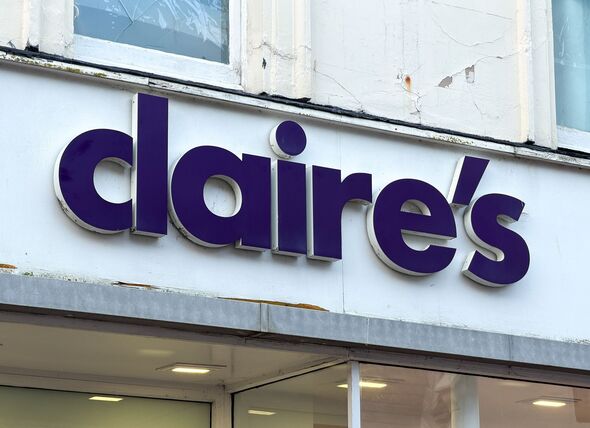
Claire’s was put into administration despite a last ditch effort to save the business (Image: Getty)
High street chains Claire’s and The Original Factory Shop (TOFS) were put into administration after their owner said “last-ditch” measures had fallen through. About 2,500 UK staff were put at risk of redundancy.
The two retailers had already undergone restructuring and were bought by investment firm Modella Capital last year. Modella said it had made the “tough decision” to kickstart insolvency proceedings for the businesses.
It will mean 1,355 employees in the UK and Ireland at 154 Claire’s shops will be put at risk, and 1,220 staff across 140 TOFS’ stores.
Modella said it worked intensively to save both businesses, but neither had a realistic possibility of trading profitably again.
The business said tough retail conditions, including as a result of government policies, were causing British businesses to “suffer”.
The Revel Collective and Peach Pubs
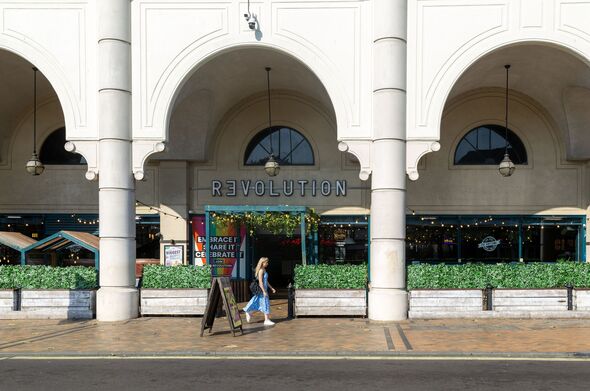
Fourteen Revolution bars closed (Image: Getty)
Revolution bars owner The Revel Collective closed 21 venues with the loss of 591 jobs after appointing administrators, who announced a sale to secure other parts of the business.
FTI Consulting were brought in as administrators for the pub and bar operator which said it has struggled against rising costs and weaker consumer spending, particularly among its younger clientele.
The venues closing included 14 Revolution bars, six Revolucion de Cuba bars and one Peach Pub. However, FTI confirmed a pair of deals which will secure the future of 41 sites and 1,582 jobs.
The Revolution and Revolucion de Cuba brands and assets were bought by Neos Hospitality Group, which runs the Barbara’s Bier Haus and Bonnie Rogues brands.
The remaining Peach Pubs business was bought by newly-formed group Coral Pub Company.
Malin+Goetz
US beauty brand Malin+Goetz put its UK operations into administration, closing all its London stores and making shop staff redundant. Its UK online operation was set to return under guidance from the US.
The administration affected seven branches, including Seven Dials, Soho, Spitalfields, Islington, Canary Wharf, Battersea Power Station and Borough Yards.
Malin+Goetz’s use of third-party retailers such as Liberty, John Lewis and Space NK, continues via a partnership with distributor Discovered Brands.
A spokesperson for Malin+Goetz said the decision was difficult but necessary and the loss of jobs was deeply regrettable, but unavoidable under the circumstances.
The brand confirmed its UK e-commerce platform would continue to serve domestic customers.
CW Sellors
This family-run jewellery chain had been on high streets since 1979, but it collapsed into administration, resulting in 36 redundancies.
C W Sellors, sold online and from 10 shops across the Midlands and North of England, including in Whitby, York, Ashbourne, Bakewell, Matlock and Shrewsbury.
Administrators BDO combining all sites in Whitby into one shop, W Hamond, led to the closure of four stores. The business continued to trade in all its other sites as normal.
After investment in new manufacturing and training facilities, the business experienced cash flow issues, due in part to rising costs and weakened trading from the cost-of-living crisis, according to BDO.
The joint administrators have been looking for a buyer to take on the business, which at the end of April 2024 posted turnover of £28.5million.
Russell & Bromley
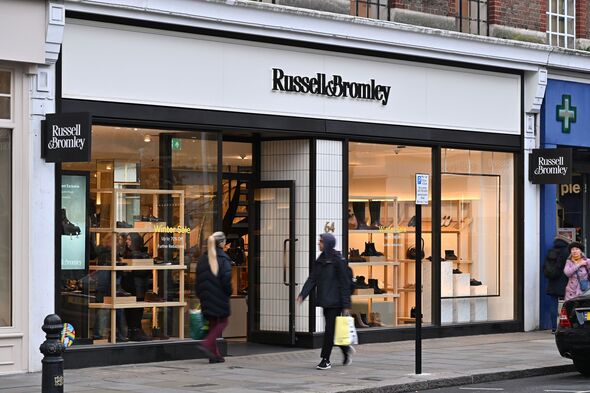
Russell & Bromley employed about 440 people (Image: Getty)
Next snapped up the luxury footwear business from administration in a £3.8million rescue deal, but the future of most of the brand’s stores remained uncertain as of January.
Administrators confirmed Next bought the brand and certain other assets in a pre-pack insolvency deal.
Founded in 1879, Russell & Bromley ran 36 stores and nine concessions across the UK and Ireland, employing around 440 people. Next said it would only retain three of its shops – in Chelsea, Mayfair and the Bluewater Shopping Centre – as part of the deal.
Administrators at Interpath said they were still exploring options for the remaining stores and concessions, which continued to trade.
In a statement, Next said: “This acquisition secures the future of a much-loved British footwear brand.”
TGI Fridays
TGI Fridays shut 16 of its venues (Image: Getty)
Administrators confirmed the locations of a raft of TGI Fridays restaurants would shut after the dining chain fell into administration.
The company permanently shut 16 venues across the UK, in a move which hit 456 workers.
Administrators from Interpath said the closures came despite the business securing a pre-pack administration deal with Sugarloaf, the company behind the chain’s global brand.
As a result, 33 restaurants would remain open and 1,384 jobs retained. Restaurants which closed due to the administration include Ashton Under Lyne, Doncaster, Staines, Stevenage and Walsall.
Alpkit
The British outdoor chain collapsed into administration towards the end of last month but announced a significant financial restructure and new investment to secure its future within days.
Its stores were saved from closure by a new investor in the company, which admitted “times have been tough” as a result of rapid cost inflation, a challenging retail environment, new trade barriers and servicing post-pandemic recovery loans.
The company said a pre-pack process saw Alpkit briefly enter into administration so it could be bought by the new investor.
All 194 jobs across its retail, warehouse, manufacturing and central teams were saved, according to the company.