
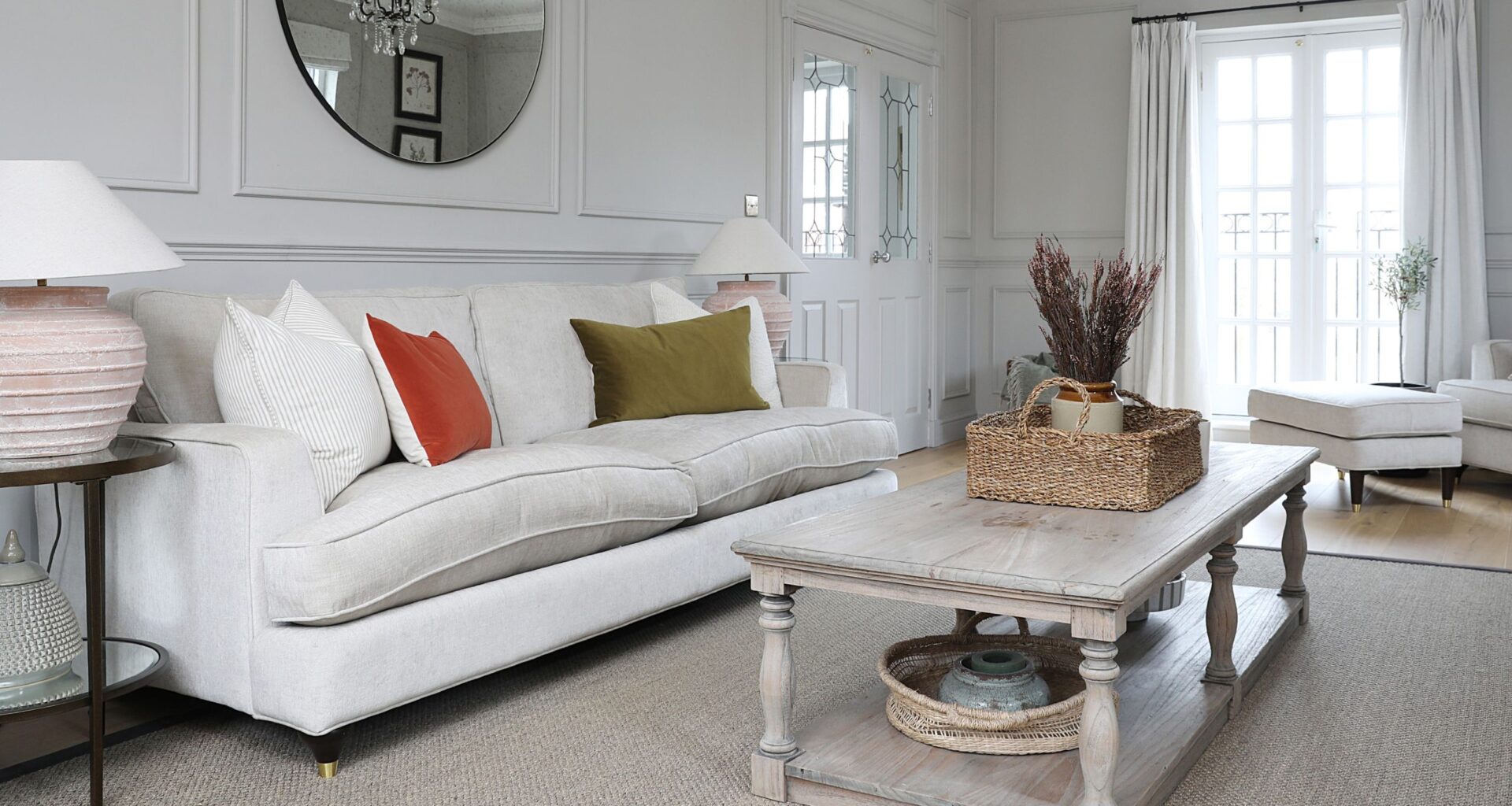
Only a few years ago, grey was an interiors trend that was all the rage. Now known as ‘millennial grey’, it comes across as outdated, replaced by other on-trend shades. But what is going to be the next big trend to fall so spectacularly out of fashion? There are sure to be many current trends that in a few years we’ll shudder to remember. So I asked four interior and trend experts to predict which ones they are so that you can avoid them now and get ahead of the curve.
With current colour trends being dominated by warm, earthy shades like brown and terracotta, as well as bold, rich colours like deep reds, it’s almost hard to understand how grey was once (not that long ago) a go-to neutral colour that we all decorated with.
‘Millennial grey was the undisputed darling of contemporary interior decor schemes, a neutral baseline that felt both calm and timeless during a decade defined by minimalism and tech-centric aesthetics,’ says Lucy Mather, interiors expert at homeware brand Arighi Bianchi.
You may like
‘But its fall from grace is a classic design evolution cycle – a trend that once felt so fresh becomes so widespread that it comes to represent a specific era rather than feeling forward-looking and new. Design and style are always about movement, and we’re already seeing that same pattern emerge with several current interior trends that, while still popular, are beginning to feel overfamiliar.’
1. Sage green
(Image credit: Future PLC/David Giles)
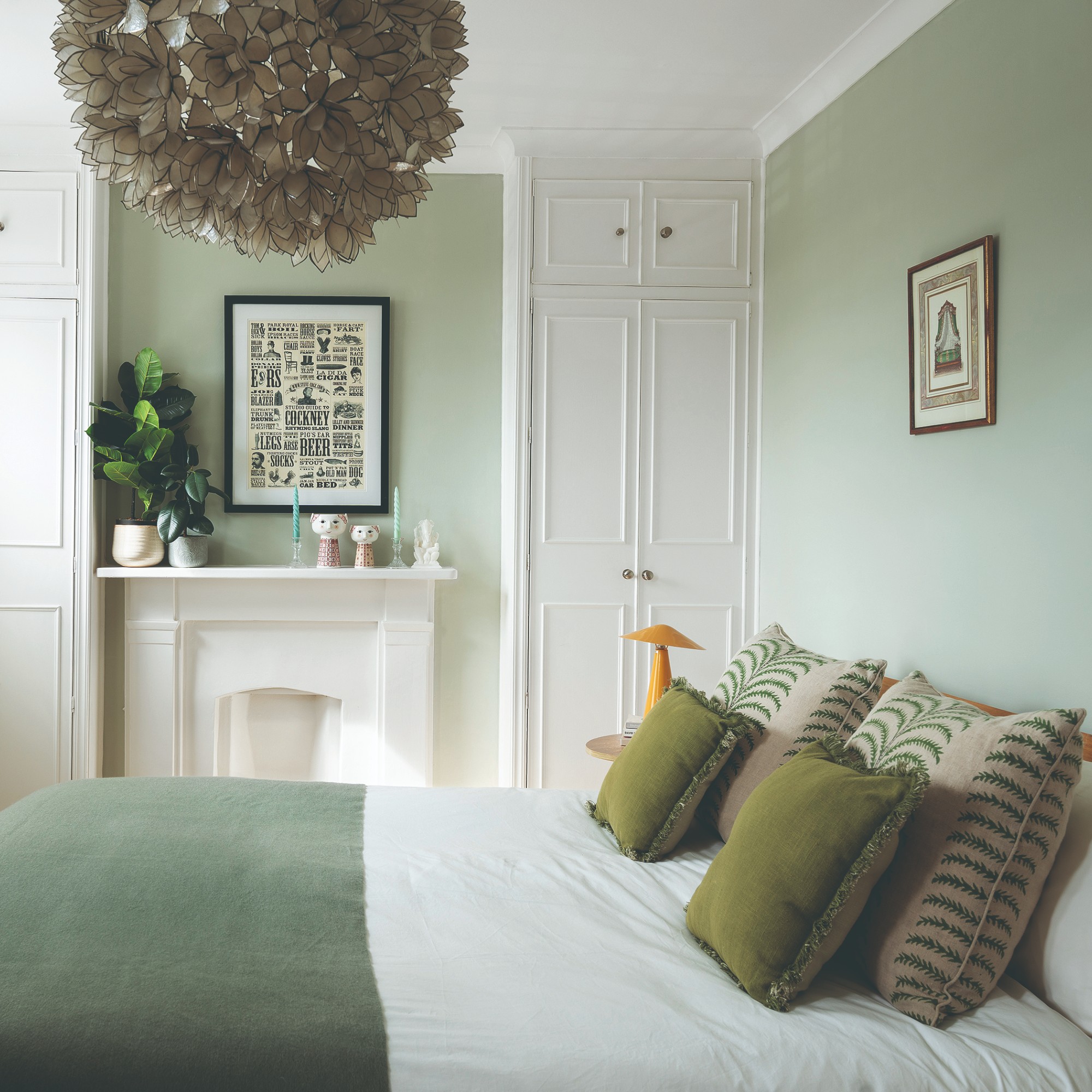
After millennial grey’s fall from grace, green has been a popular go-to alternative as it feels more colourful yet easy and neutral enough. It’s a colour with a strong connection to nature, which we’ve all been craving since lockdown. Soft sage greens have been widely favoured. But experts say that this colour’s reign might soon be coming to an end.
‘Green is often dubbed the new “millennial grey”, favoured for its versatility and calming qualities,’ says Chloe Frost, trends editor for colour and materials at trends intelligence business, Stylus. ‘And while green is a colour that will never fall completely out of favour, some of the muted hues (think gentle sage) that have been popular in recent times are no longer giving us what we need. Instead, we are searching for more depth and meaning in our everyday, so we’re gravitating towards colour with soul. Shades of green that are rich and complex now have greater appeal.’
But if you insist on using softer greens in your interiors, I’d recommend opting for natural materials like stone and marble that feature this shade, much like the Dunelm Lana marble small side table does.
2. Wavy decor
(Image credit: Future PLC/David Giles)
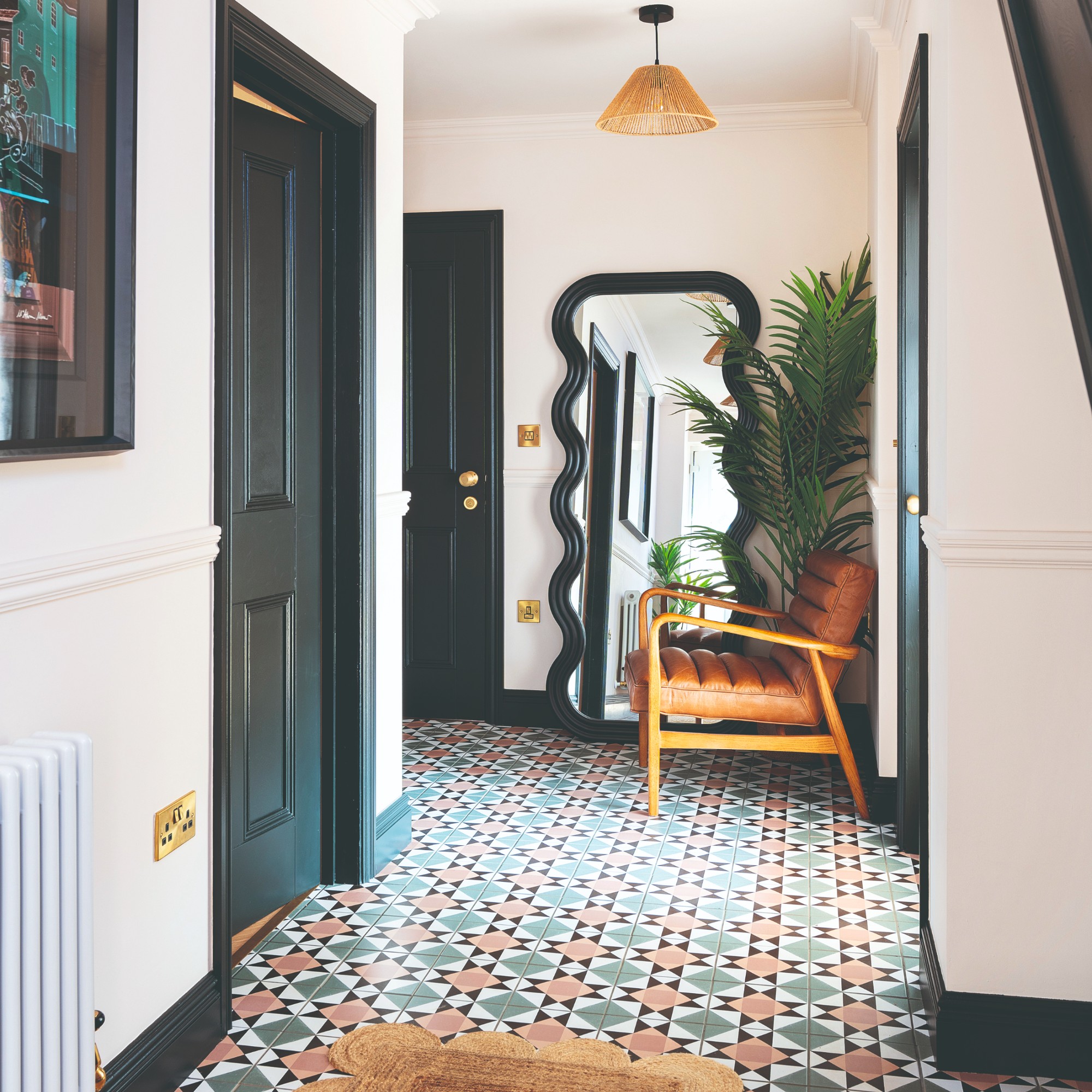
The wavy home decor trend can be seen on everything from picture and mirror frames to lamp bases and even cushion trims. Inspired by the rise in popularity of both organic shapes, as well as dopamine decor, wavy decor has been everywhere in the last few years. But it might not be for that much longer…
‘Plastic wavy mirrors, abstract candle holders, and quirky picture frames had their moment, but in 2026 and beyond, we’re moving toward designs inspired by nature,’ says Chloe Barrow, interior expert at furniture and homeware brand Laura James. ‘Organic textures, materials, and patterns will replace the playful, abstract shapes that have been as popular as millennial grey popular over the past few years. This shift reflects a growing desire for interiors that feel grounded and connected to the environment. Instead of synthetic shapes, look for materials like raw stone or ceramic in fluid, natural forms.’
3. Perfectly curated rooms
(Image credit: Future PLC/James French)
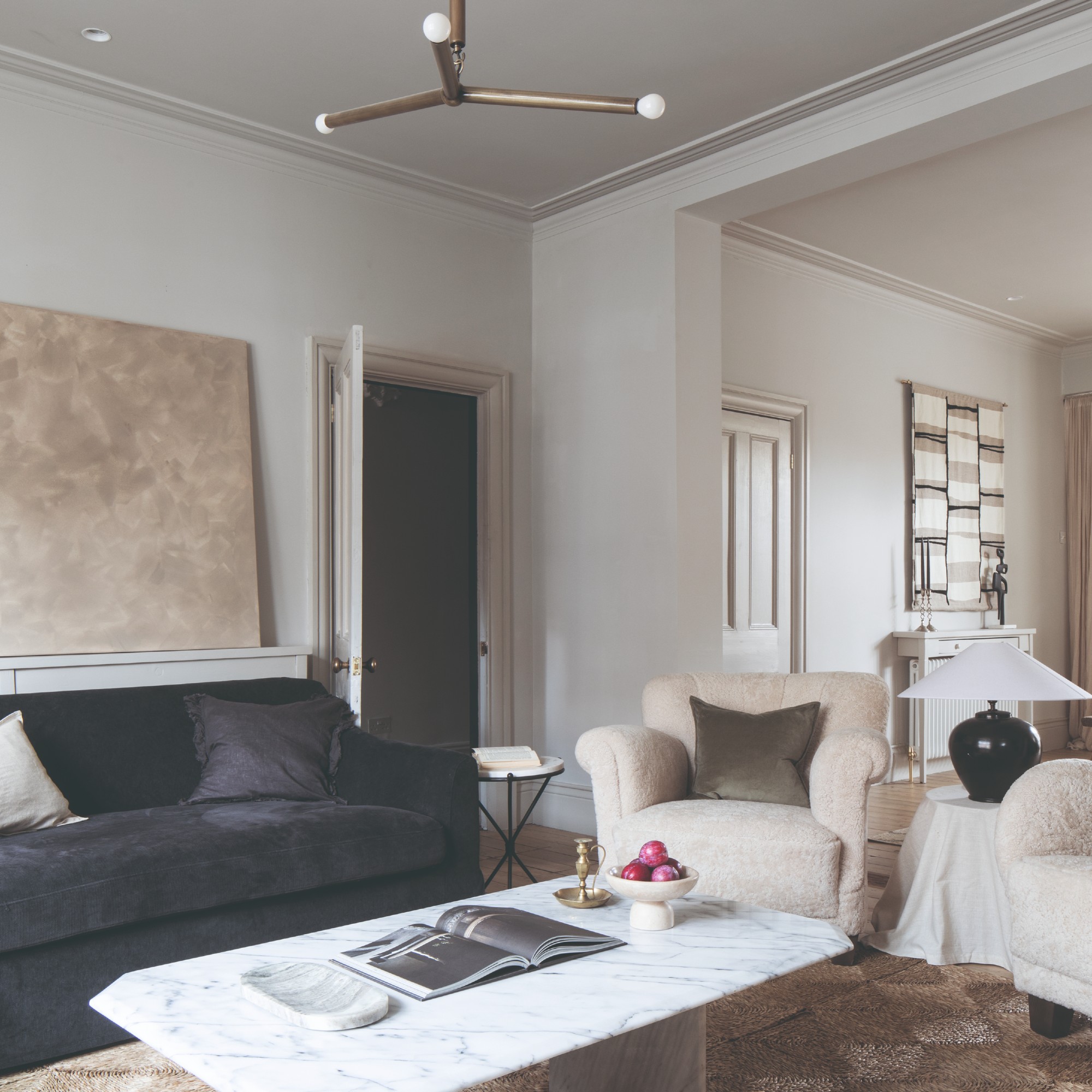
With social media becoming such a big part of our lives, it’s not all that surprising that perfectly curated homes decorated to look good online have been a big trend in the homes space. But as we embrace wellbeing trends and aim to make our living spaces more comfortable, personalised and ‘imperfect’, that might mean the end of perfect Instagram homes.
You may like
‘One interiors trend that already feels at risk of dating is designing spaces primarily for social media rather than real life,’ says Holly Lamont, founder and creative director of interior design studio Holla Design. ‘Highly styled, very thematic interiors can look striking at first glance, but they often lack warmth, flexibility and longevity once you actually live in them. When a scheme is too rigid, it leaves little room for a home to evolve naturally alongside the people in it.’
Dayna Isom Johnson, Etsy trend expert, agrees, ‘Overly styled interiors, matching sets, overly curated gallery walls, and homes designed primarily for social media are starting to feel dated. What’s replacing them is a more personal approach – fewer pieces, richer colour, and spaces that feel collected over time rather than styled all at once.’
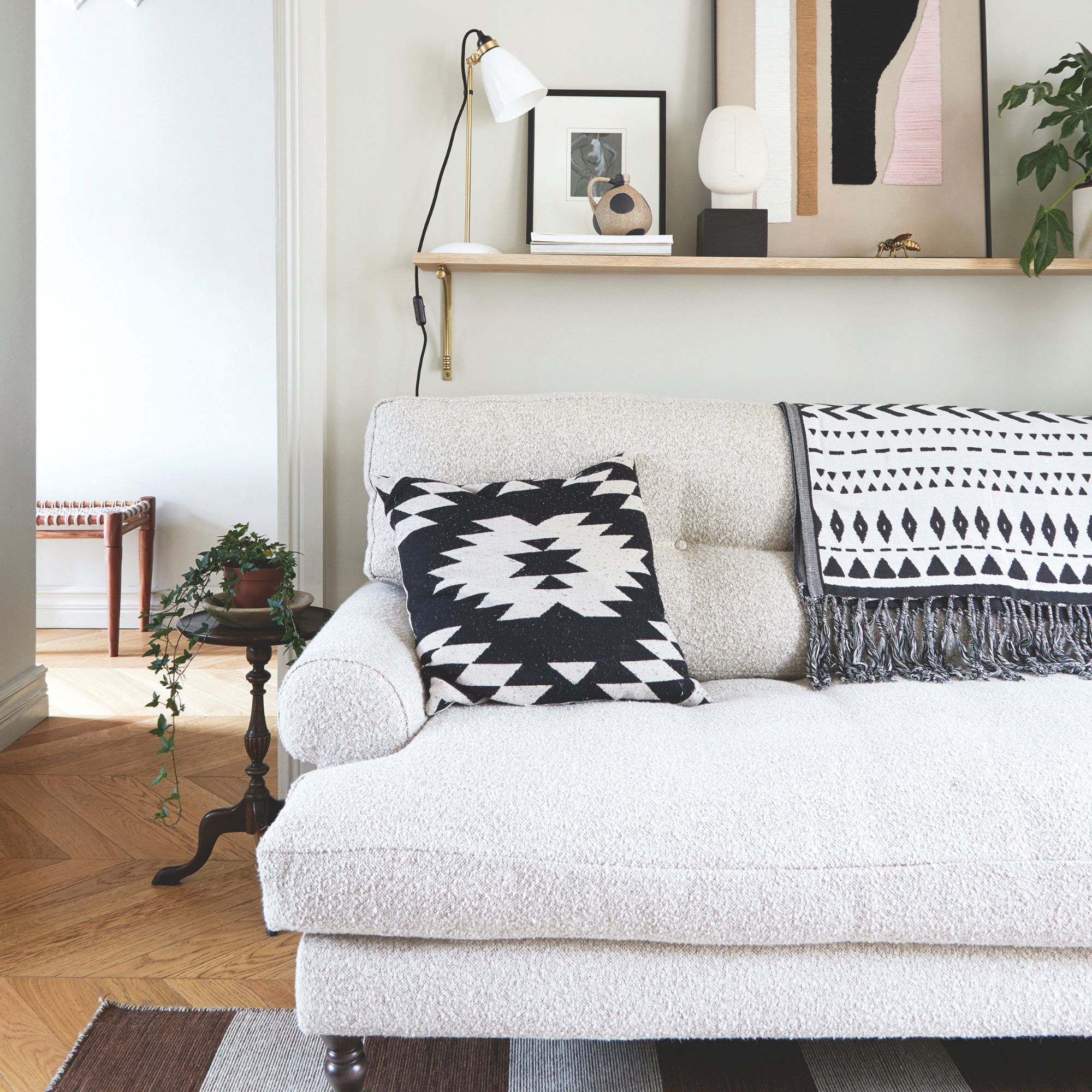
4. Boucle
(Image credit: Future/Anna Stathaki)
In the last few years, boucle has been the go-to upholstery material, loved for its textured, tactile finish. But it’s getting to the point where there’s been a little too much boucle and we’re turning to more natural textures and materials such as linen, embracing pieces like this M&S pure linen cushion.
‘Boucle is a great example of a trend that’s edging towards saturation. When used sparingly, it adds softness and tactility – but its rapid spread across sofas, chairs, beds, and décor accessories means it’s starting to feel a bit like a design shortcut. This kind of material-led trend can quickly become the calling card of a specific moment in time,’ Lucy at Arighi Bianchi says.
Chloe at Stylus concludes, ‘It’s now all about embracing imperfection, creativity, eclecticism and instinctive taste.’