
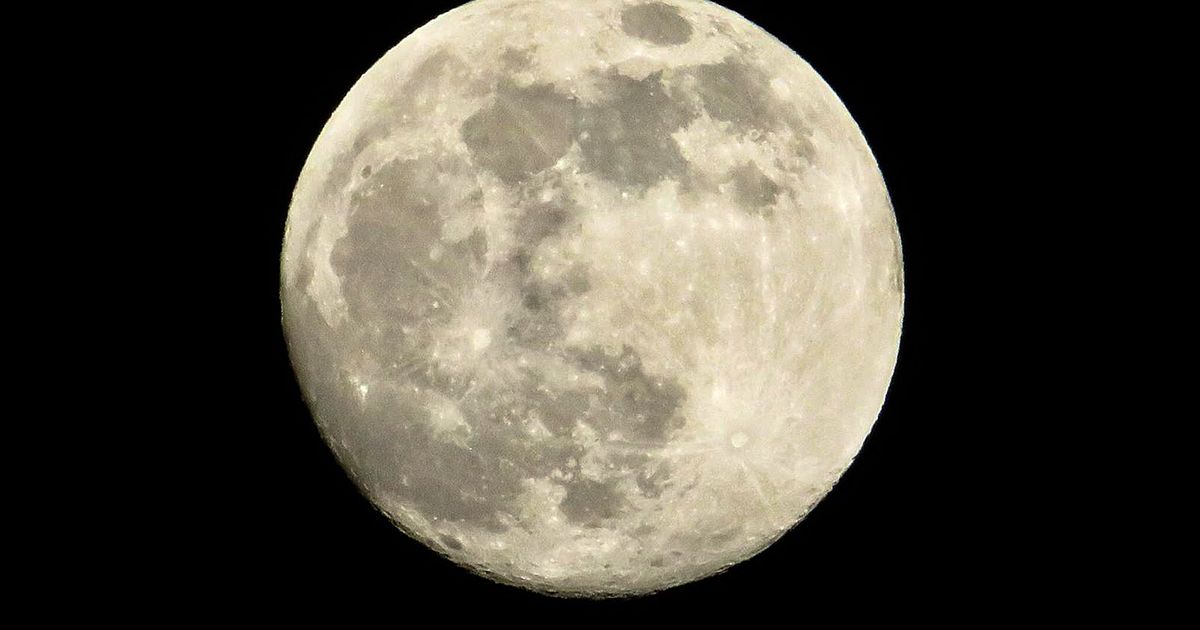
The Snow Moon is set to light up the sky across Wales on Sunday evening – the first day of February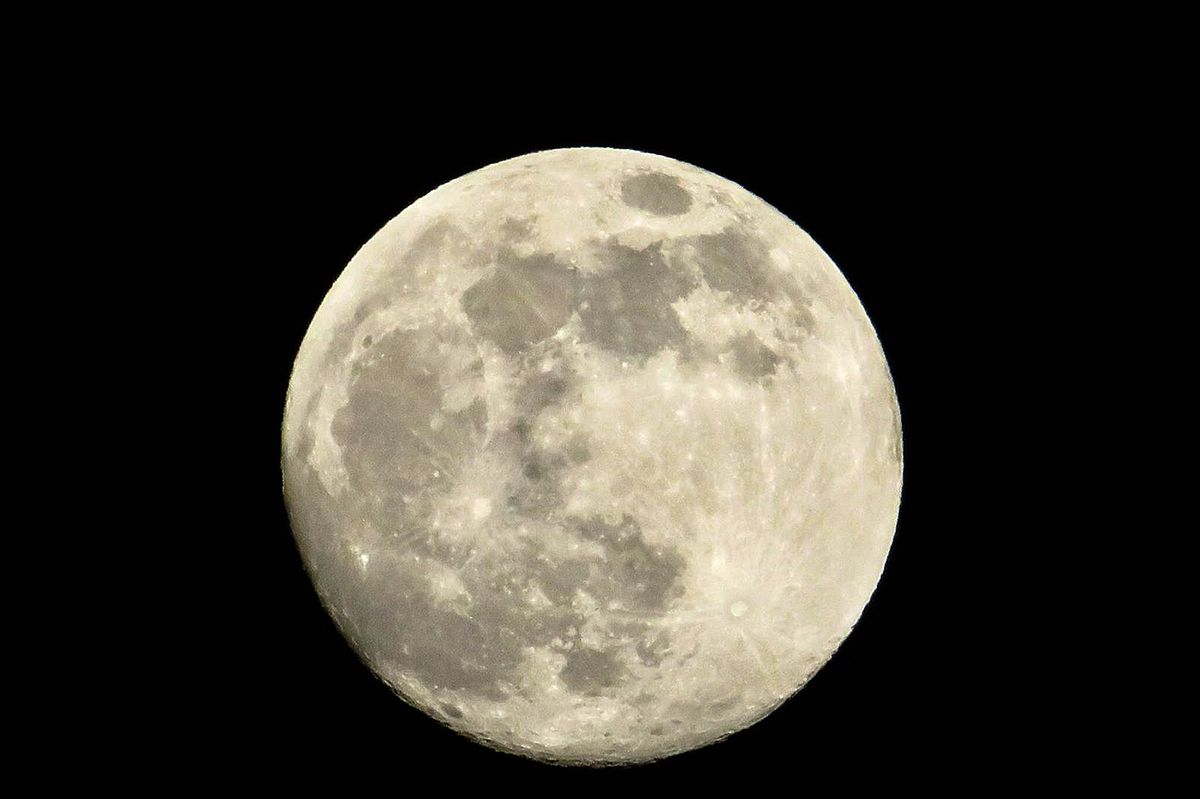
The Snow supermoon over Wales last year(Image: Daily Post Wales)
The last few weeks have already brought some fantastic sights in the sky, with gorgeous Northern Lights displays visible in parts of Wales at the start of the year and the Wolf Moon at the start of January. Now, all eyes are on the next full moon which is set to illuminate skies right at the beginning of February.
The upcoming full moon is known as the Snow Moon, and is particularly special as it stargazers’ chance to catch the last full moon of meteorological winter on Sunday, February 1.
Many people believe that this moon symbolises change, hope and new beginnings. So what is it, and how can you spot it? We’ve got all the details for you below. Read the biggest stories in Wales first by signing up to our daily newsletter here
If you’re tempted to pop outside to catch a glimpse, it will rise at 4.13pm and should be visible until it sets at 8.06pm on February 2. These timings vary slightly depending on where in the UK you are.
Why is it called the snow moon?
Each full moon of the year has its own name, with 12 (or sometimes 13) moons in a year. The full moon in February earned the name Snow Moon because, traditionally, indigenous people in North America named the moons after the weather and at this time, snow was common across the Northern Hemisphere.
It is also sometimes called the Storm Moon or Hungry Moon. From superstar gigs to cosy pubs, find out What’s On in Wales by signing up to our newsletter here
Will I be able to see the full moon?
There is quite a lot of cloud in the forecast for Saturday and Sunday night, with the best of any clear spells likely to be across the western coast of Wales.
The moon will be at its peak illumination at 10.09pm in the UK when it is below the horizon, however it will still appear ‘full’ when it rises at night and for the following few days.
At sunset, the Snow Moon will appear especially large and golden near the horizon due to an optical illusion caused by atmospheric refraction and visual perception.
Stargazing group Sky & Earth say that this month’s full moon will be particularly spectacular because it will appear near the famous Beehive Cluster, a stunning open star cluster visible through binoculars. Just below the moon, you’ll find Regulus, the brilliant “heart” of Leo.
The next full moon won’t arrive until March 3, so now is the chance to catch a glimpse of one while you can.
Get daily breaking news updates on your phone by joining our WhatsApp community here. We occasionally treat members to special offers, promotions and ads from us and our partners. See our Privacy Notice